
Design with 3D printing delivers more efficient wash robots at Washpower
Washpower A/S
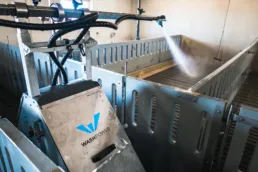
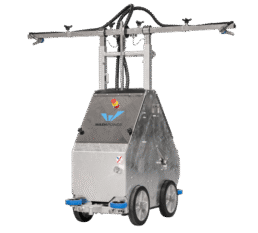
The company Washpower’s participation in the 3D printing programme Design for Additive Manufacturing (DfAM) has made it possible to develop a component for its range of wash robots for pig barns. In the future, this development using 3D printing could result in a significant reduction in water and energy consumption.

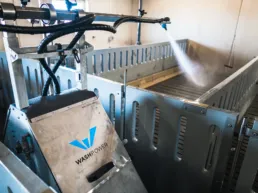
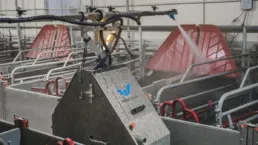
The Danish company Washpower was established in 2016, and sales of wash robots and automated washing solutions for pig barns and poultry houses quickly gained momentum. Today, the wash robots are sold in more than 30 countries – and more are on the way.
– Washpower’s goal is to develop user-friendly robots that take on the hard work of washing – and when, for example, the farmer starts the wash robot in the evening, it is important that it has done its job by the next morning, says Martin Kamp, Technical Developer at Washpower.
With a view to further improving the efficiency of its robots and making the automated washing solutions more advantageous for farmers, Washpower did not hesitate to say yes to participating in the 3D printing design programme DfAM, initiated by Dansk AM Hub.
3D printing creates new opportunities with major impact
During the DfAM programme, Washpower investigated whether it was possible to optimise a component for its x100 series of wash robots.
“For us, it was an obvious choice to explore the possibility of optimising a specific component in our x100 series and thereby realise the potential to make our robots even more efficient,” says Martin Kamp:
“Along the way, we have had a particular focus on optimising water consumption during the washing process. It may also turn out that, with the newly developed component, we make the robot more efficient, so that you can wash faster and in that way further optimise energy and water consumption – or perhaps achieve a greater reach. So there are many parameters we have looked at in this project, and it is clearly a major driving force.”
Results from programmes with Dansk AM Hub
- Optimising the design and the components in the machine
- New opportunities to print internal geometries
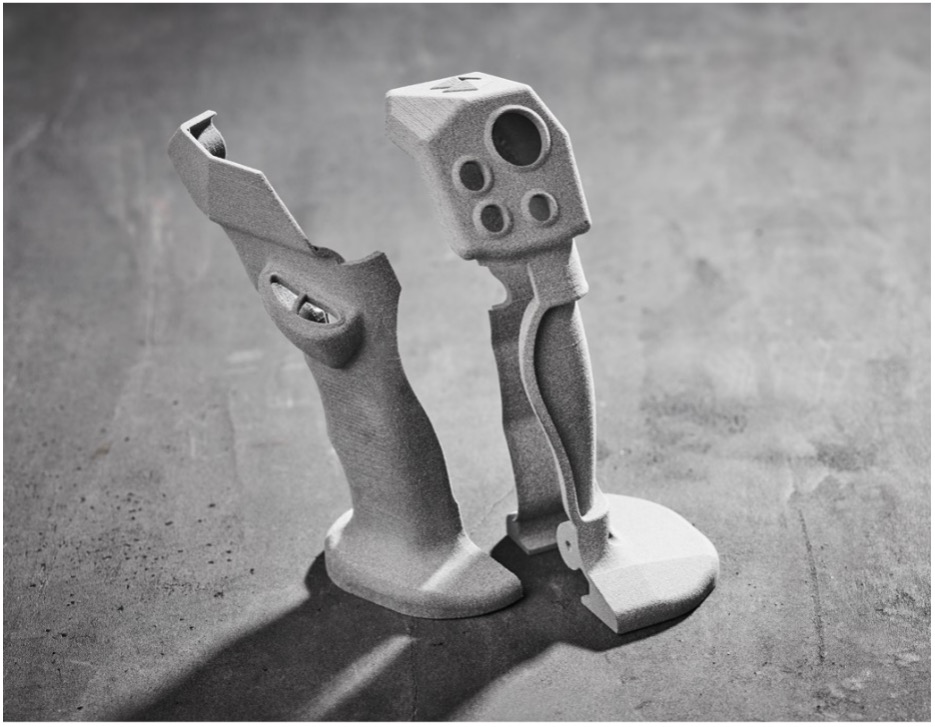
- Reduction in number of parts: From 2 parts to 1 part
- A larger network
The benefit is greater design freedom and a faster development process
This focus on energy and water savings depends on several elements – including optimising the design and the components in the machine. Therefore, 3D printing was particularly well suited due to its great design freedom, which can make new solutions and ideas possible.
“What I see with 3D printing is that you can start creating geometries inside the components. That would be incredibly difficult with conventional machining methods, because you cannot get in there with your tool – for example, the component we worked on in the project is not particularly large, and here 3D printing has provided new opportunities to print the internal geometries,” says Martin Kamp.
In addition to the renewed possibilities with internal geometries, Martin Kamp also points to how 3D printing can contribute to a faster development process, because Washpower can very quickly produce physical parts that can serve as functional prototypes and thus significantly shorten development time towards a production-ready part.
Is your production setup a limitation—or a strength?
And are there new opportunities?
A larger network and new experience
When Martin Kamp describes what Washpower has gained from participating in the DfAM programme, a larger network and cross-disciplinary collaboration are impossible to ignore.
“If you are considering taking part in such a programme, you should also do it because it provides a strong network. In my view, that is really important, because you get out and talk to others who are working on something similar,” says Martin Kamp, adding how a strong network can be beneficial in the longer term:
“Your network can also help you get over the bumps that inevitably arise more easily, which is always a positive thing. But in general, with 3D printing, a programme like this means you can get a 3D-printed prototype that actually works more quickly.”
About the company
Washpower A/S
Elmevej 8, 7870 Roslev
Number of employees: 41
Washpower A/S is a Danish company that develops and sells high-performance cleaning machines for the industrial segment.
About the DfAM programme
Throughout 2022, Dansk AM Hub, in collaboration with the partners Danish Technological Institute, PLM Group, Hexagon and Wikifactory, guided 15 Danish SMEs through a new innovation programme aimed at strengthening companies to an even greater extent to benefit from the technological and business potential within 3D printing. The programme is called Design for Additive Manufacturing (or DfAM) and focuses on spreading 3D printing to small and medium-sized enterprises, as well as providing concrete support and assistance in working with the technology through design. The specific goal of the DfAM programme is to redesign participants’ products or components, enabling these, for example, to be produced with greater strength, less material waste, new and improved functionality, and on-demand.
Is your production setup a limitation—or a strength? And are there new opportunities?
Get input on how hybrid production can support your business strategy.

3D-printed design enables a drone to fly longer and lift heavier loads
Airflight
80% reduction in material usage through 3D-print design optimisation

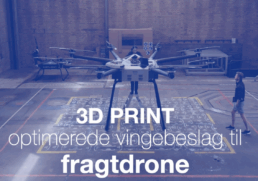
The Danish startup Airflight tested metal 3D printing in the design optimisation programme Design for Additive Manufacturing (DfAM), where they succeeded in reducing the weight by as much as 67% on a lightweight wing bracket for their cargo drone.
In the video, you can hear more about Airflight’s optimisation work from owner and CEO Mikkel Kærsgaard Sørensen—and, not least, see the drone in the air.
The case—overview and context
Airflight is based in Brønderslev, where they build some of the world’s largest multirotors—essentially an oversized drone—to fly components and tools for the wind turbine industry. The largest drone has eight arms and can lift up to 200 kg.
The company chose to take part in the 3D-print design optimisation programme DfAM to explore the possibilities for the brackets that hold the drone’s arms. In the project, the brackets were design-optimised for 3D printing so they became lighter while still being able to withstand the loads—and they were also 3D printed in titanium. This resulted in a weight reduction of 67%—or a full 11 kg per drone.
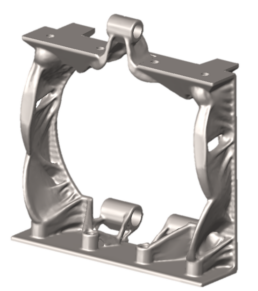
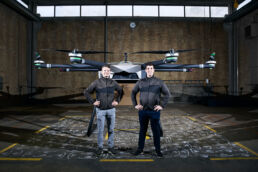
“Through the project, we have achieved an 11 kg weight reduction and reduced material usage by 80%. The value for us is the extreme design flexibility, where we can achieve a higher strength-to-weight ratio, which is an important part of aviation, as it means we can fly for longer or with a heavier payload,” says Airflight owner and CEO Mikkel Kærsgaard Sørensen.
Results from programmes with Dansk AM Hub
- 59% weight reduction per bracket
- 11 kg weight reduction for the entire drone
- 80% reduction in material usage
- Less material waste than machining the bracket
Value and impact for the company
During 2022, 15 Danish companies worked on redesigning a product or component using 3D printing through Dansk AM Hub’s innovation programme: Design for Additive Manufacturing (DfAM). Of these, 11 companies had a ‘before component’ that made it possible to compare with the redesigned component, and in ten of these cases it was possible to reduce weight by between 43% and 96%. The benefits of weight reduction served different purposes depending on each company’s specific production and end products.
Specifically, in the DfAM project the aim has been to design participants’ components or products better or differently so they can be manufactured with less material, greater strength, and optimised with new or improved functionality and efficiency. All with the purpose of creating more sustainable products and components.
Is your production setup a limitation—or a strength?
And are there new opportunities?
About the company
Airflight ApS
Brønderslev, North Jutland
Number of employees: 2
Airflight builds some of the world’s largest multirotors and uses the multirotor platform for lifting operations.
After the programme, the participating companies have ended up with a physically redesigned component or product in which one or more of the above-mentioned benefits have been incorporated. In addition to weight reduction, DfAM has also delivered a range of other benefits such as reduced production costs, reduced “time-to-market”, part consolidation, greater design freedom, and increased component strength.
In this way, participants have gained added value and knowledge that can be anchored locally in their production.
Is your production setup a limitation—or a strength? And are there new opportunities?
Get input on how hybrid production can support your business strategy.
3D-printed designs resonate strongly at Scan-Speak
Scan-Speak A/S
During a programme with Dansk AM Hub, Scan-Speak had the opportunity to take on the development of highly detailed prototypes

Scan-Speak is a small company from West Jutland that develops hand-built, high-end loudspeakers for DIY builders and several major companies—both nationally and internationally. To gain a better understanding of the possibilities and potential of 3D printing for loudspeaker components, Scan-Speak chose to take part in the 3D print design programme Design for Additive Manufacturing (DfAM) at Dansk AM Hub.
When it comes to the design possibilities for loudspeaker drivers, there are, however, certain limitations. The drivers operate in closed systems, because pressure and impact are essential to producing exactly the right sound from the loudspeakers. Therefore, optimising, for example, weight was not Scan-Speak’s starting point. Instead, there was strong interest in the possibility of 3D-printing high-quality, highly accurate prototypes to ensure an efficient process aimed at optimising and developing the entire production line.
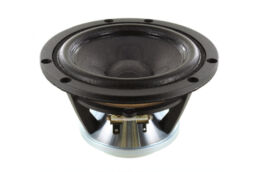
Discovered the high quality of prototypes
Prior to the project, Scan-Speak was already familiar with 3D printing, as the company had previously invested in an older 3D printer. The issue, however, was that it did not always deliver a satisfactory result when it came to prototypes requiring a higher level of detail.
“In the DfAM programme, we started by printing some test units that were actually of very high and precise quality, unlike the prototypes we have been able to print ourselves. This meant we could see what it would look like as a finished product. When we received the printed prototype, we were genuinely positively surprised by both the quality and the appearance,” says Jacob Sand Nielsen, Mechanical Engineer at Scan-Speak.
Results from programmes with Dansk AM Hub
- Material and technology: Nylon and aluminium printed with Laser Powder Bed Fusion, as well as TPU (flexible plastic) printed with Multi Jet Fusion
- Tolerances: Approved
- Surfaces: Approved
- Lead time: 10 working days
Printing prototypes makes excellent sense
With the positive result, Scan-Speak printed several more prototypes, and the great potential of 3D printing technology was unmistakable:
“Among other things, we had a custom-designed sleeve (case, ed.) printed for a customer who was going to have some loudspeakers. Here, we had the opportunity to try printing in a soft plastic material, so this sleeve turned out as it will be in the end, and we also tested printed components in aluminium. It is of great importance that we can test before we start additional tooling—just as it has been a revelation that you can print in a soft material,” Jacob Sand Nielsen explains:
“That is why it has made very good sense to have prototypes printed before you press the big button and set a larger machinery in motion. That way, we can test everything, including both finish and materials.”
Is your production setup a limitation—or a strength?
And are there new opportunities?
About the company
Scan-Speak A/S
HI-Park 387, 7400 Herning
Number of employees: 65
Scan-Speak is a world-leading company in the development and production of high-end transducers for the world’s leading international loudspeaker brands within home audio/video, professional solutions, the automotive aftermarket, and the aerospace segment.
“You just have to take the leap”
For Scan-Speak, participation in the DfAM programme has provided unique sparring on future opportunities within 3D printing, as well as renewed knowledge. For that reason, Scan-Speak’s message is also clear if a company is considering taking part in a future DfAM programme.
“You just have to take the leap! And if you do not have a 3D printer, it is an obvious opportunity to see what the technology can do—especially compared with traditional manufacturing, where you may find that a tool does not fit and something needs to be moved a millimetre—but you cannot just recast something by a millimetre, so you have to start all over again, and that is expensive. So if there is anyone who has not yet got started with 3D printing technology, you should simply try it,” says Jacob Sand Nielsen.
Is your production setup a limitation—or a strength? And are there new opportunities?
Get input on how hybrid production can support your business strategy.
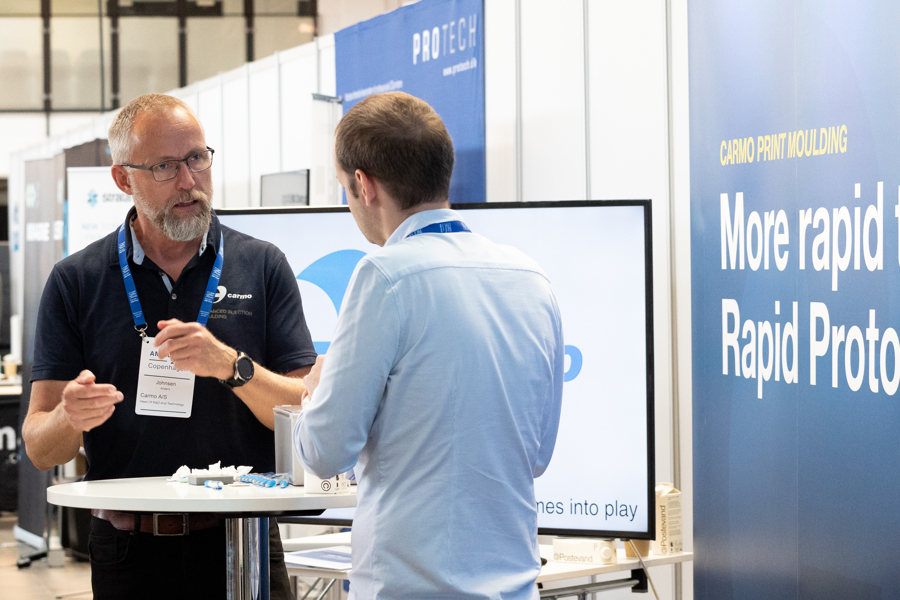
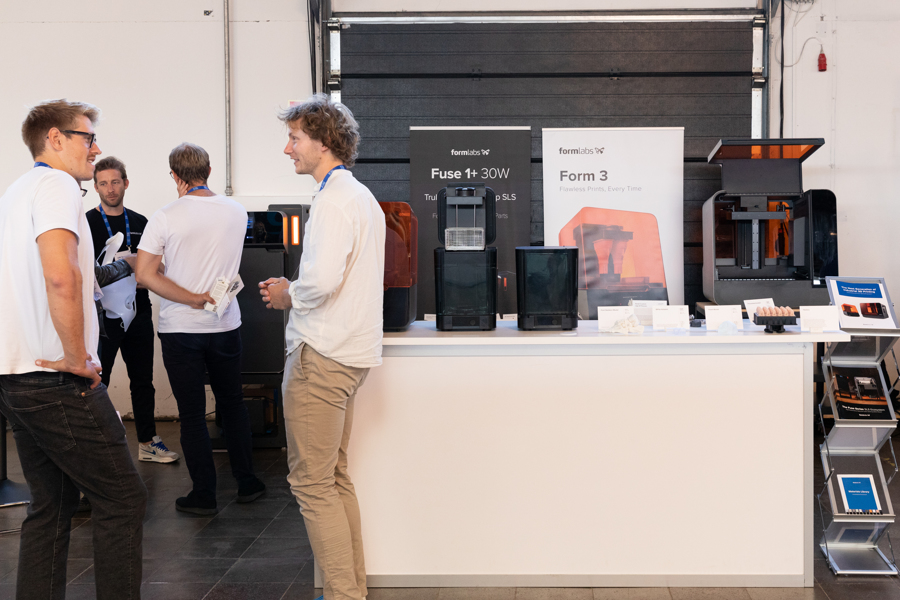
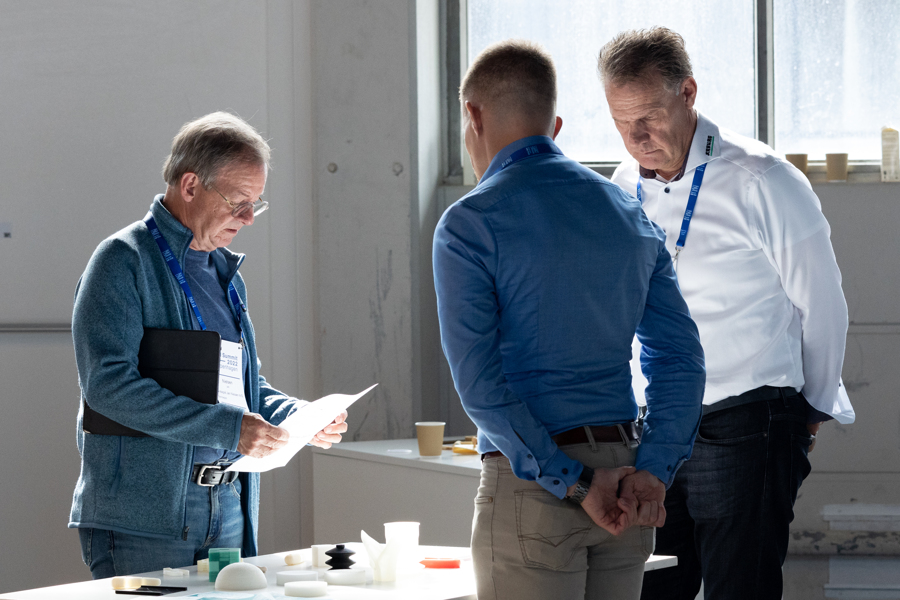
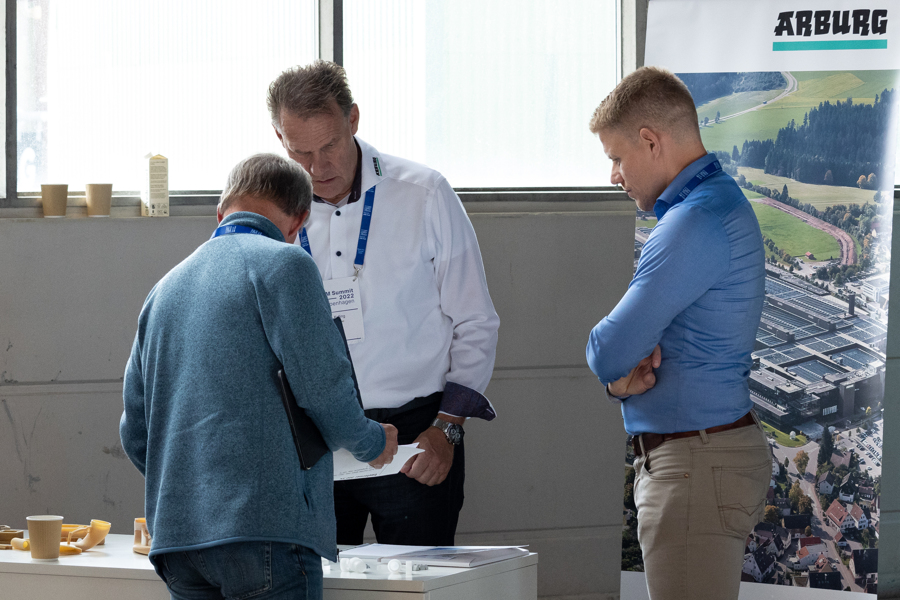
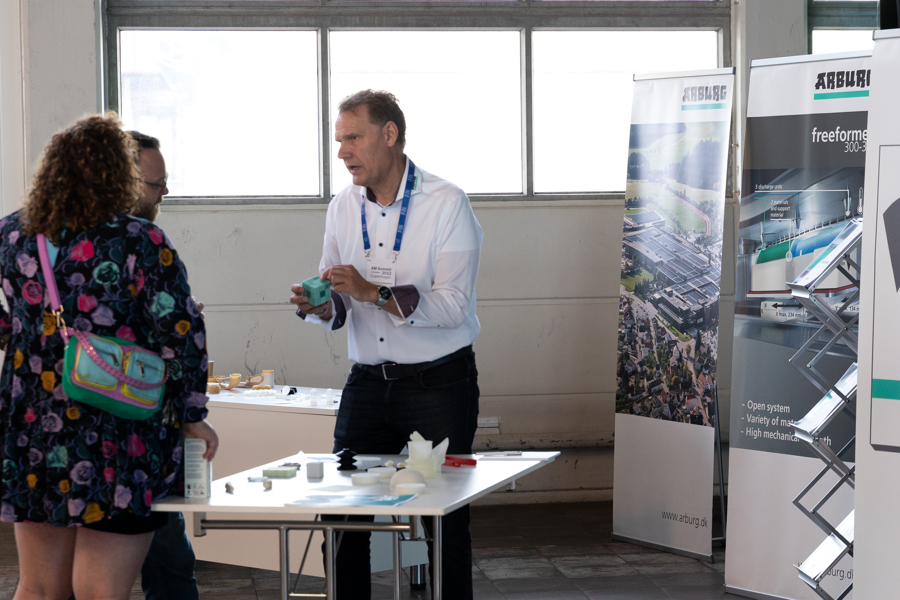
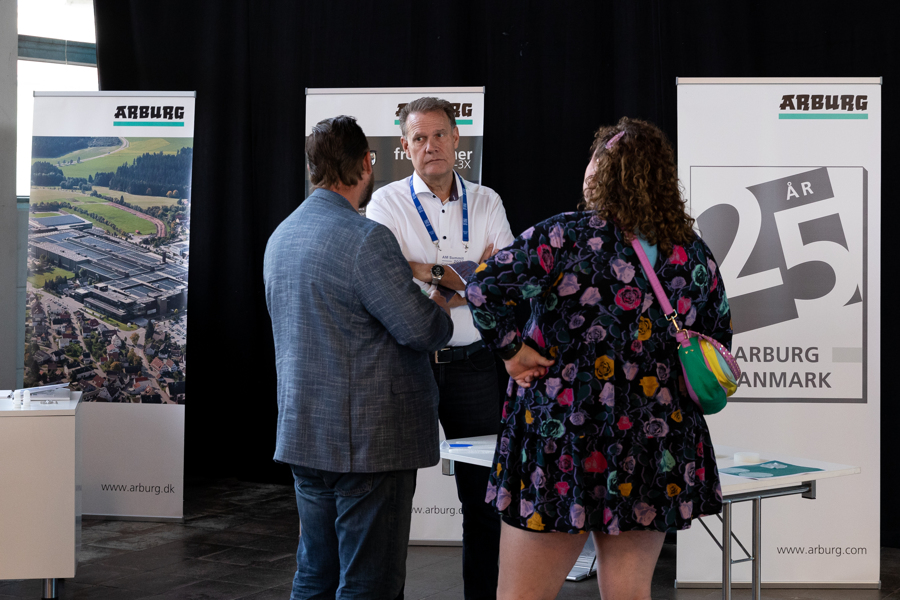
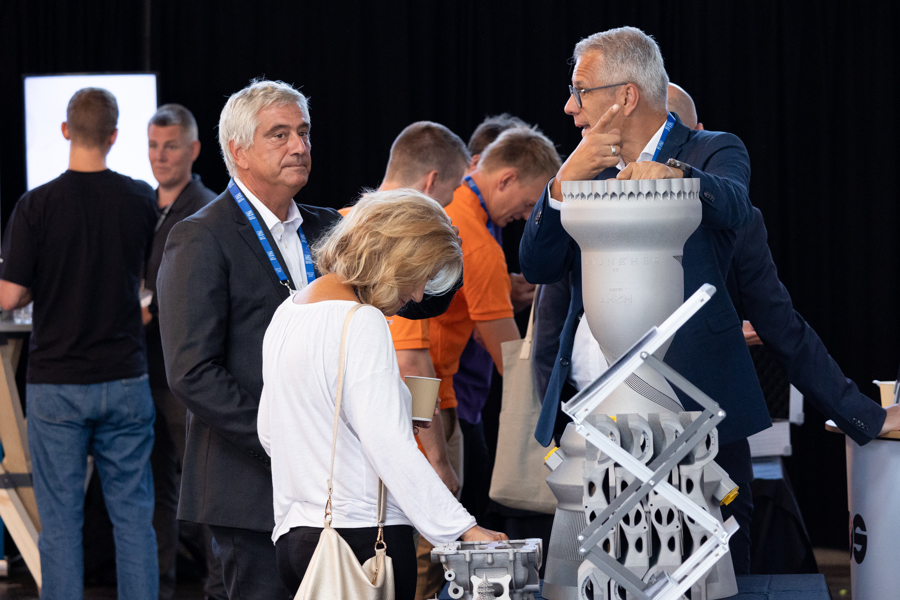
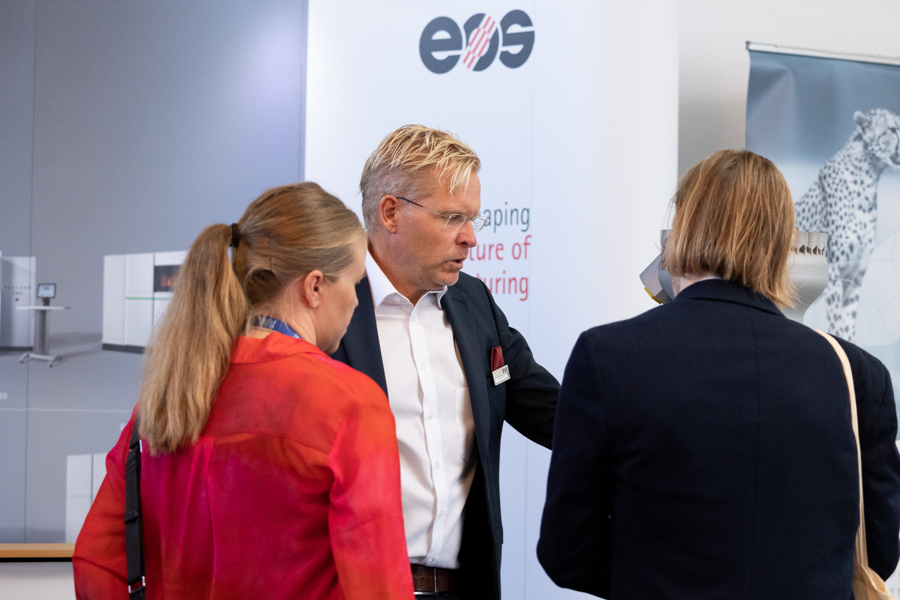
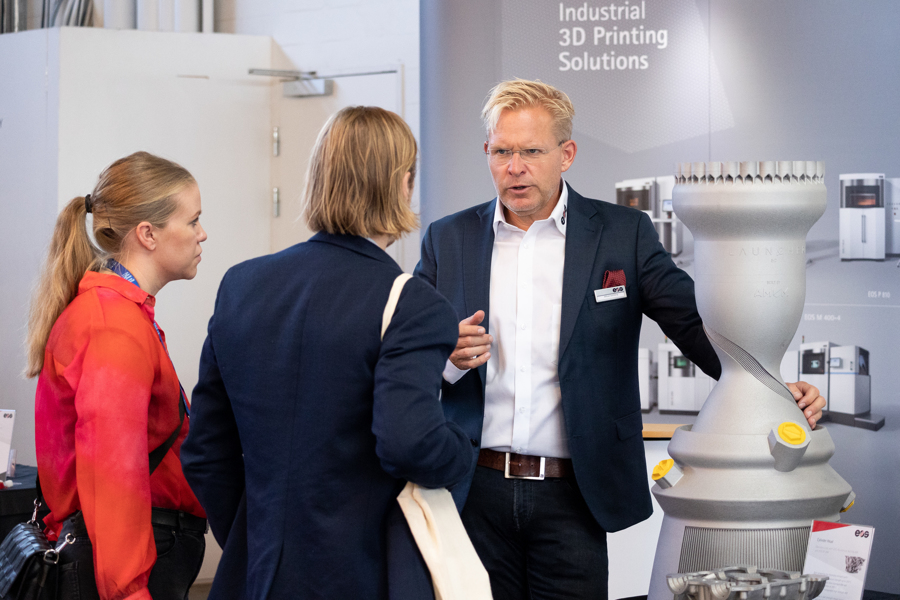
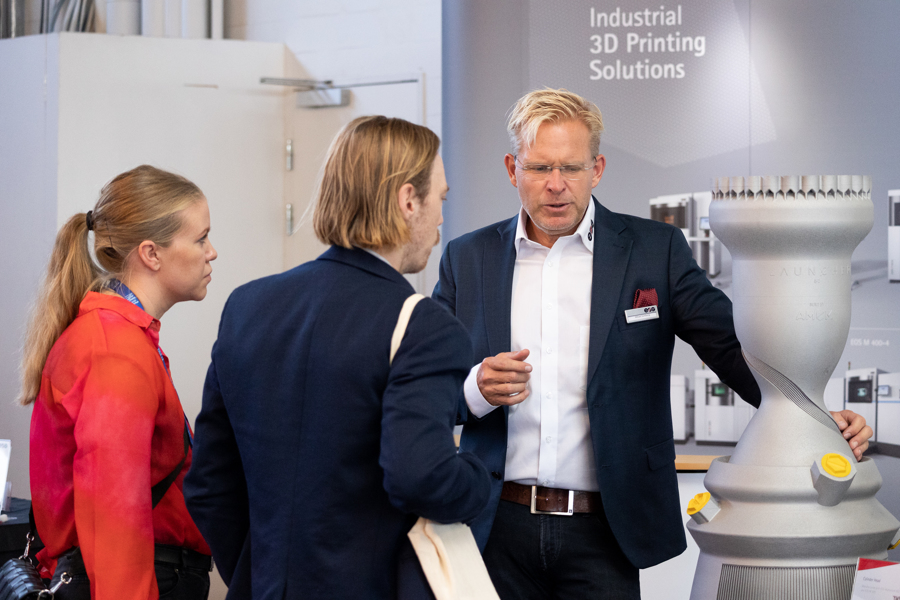
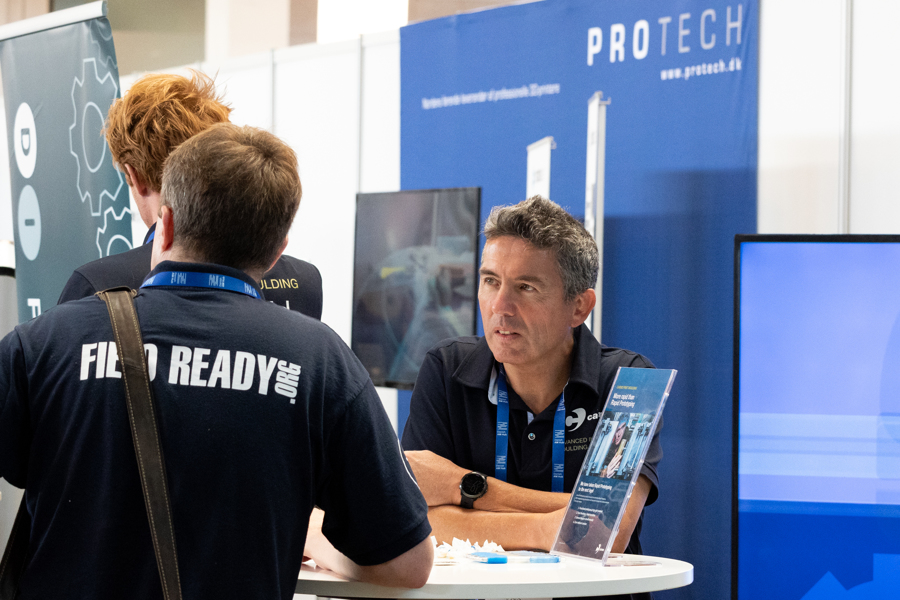
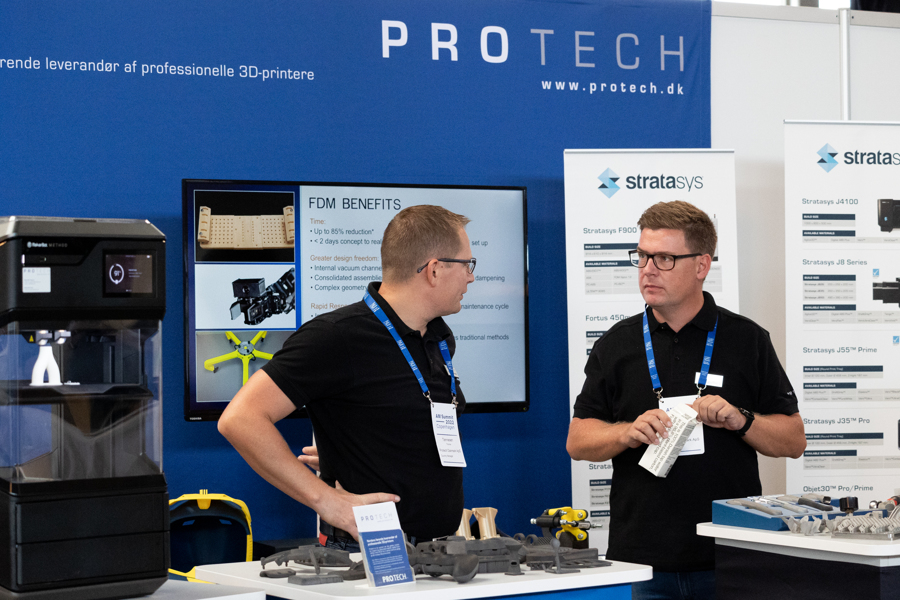
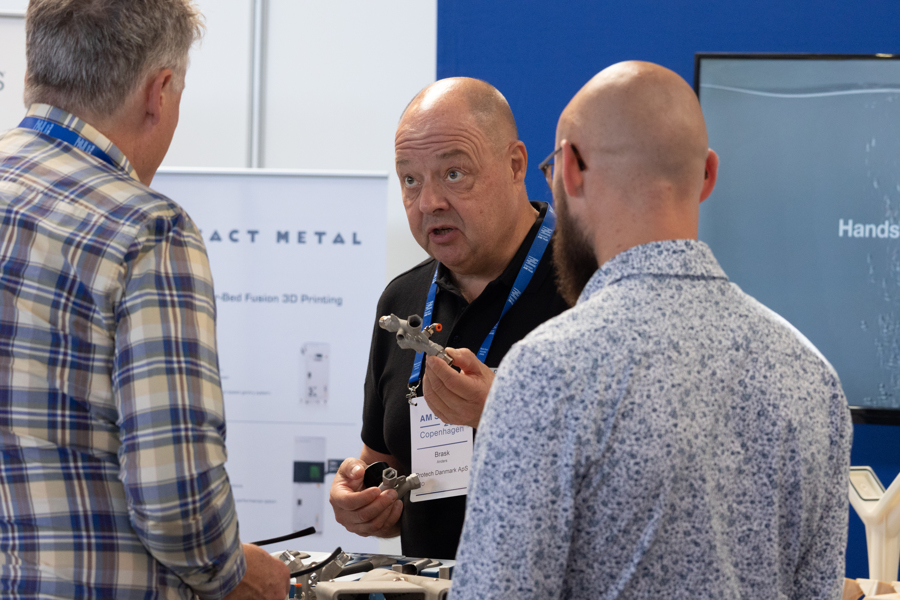
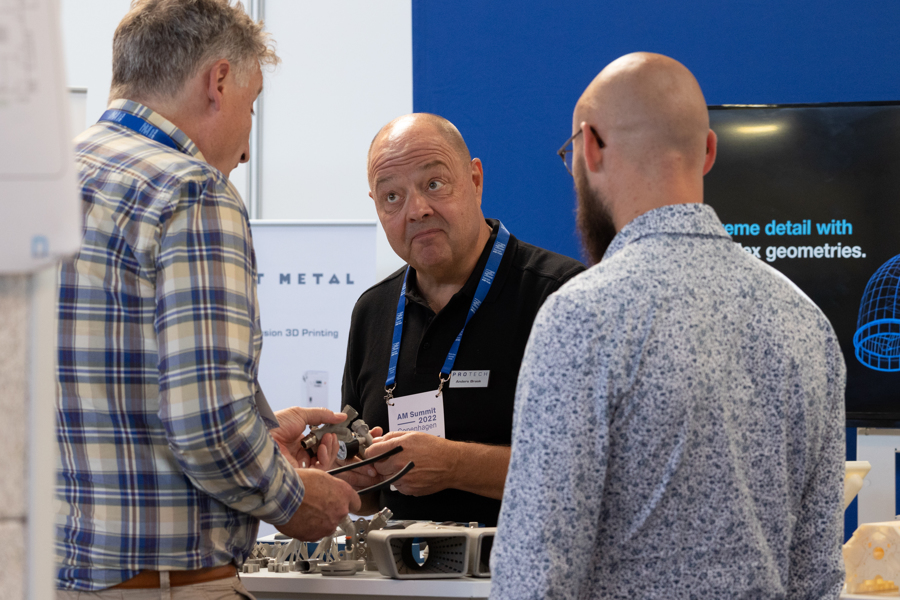
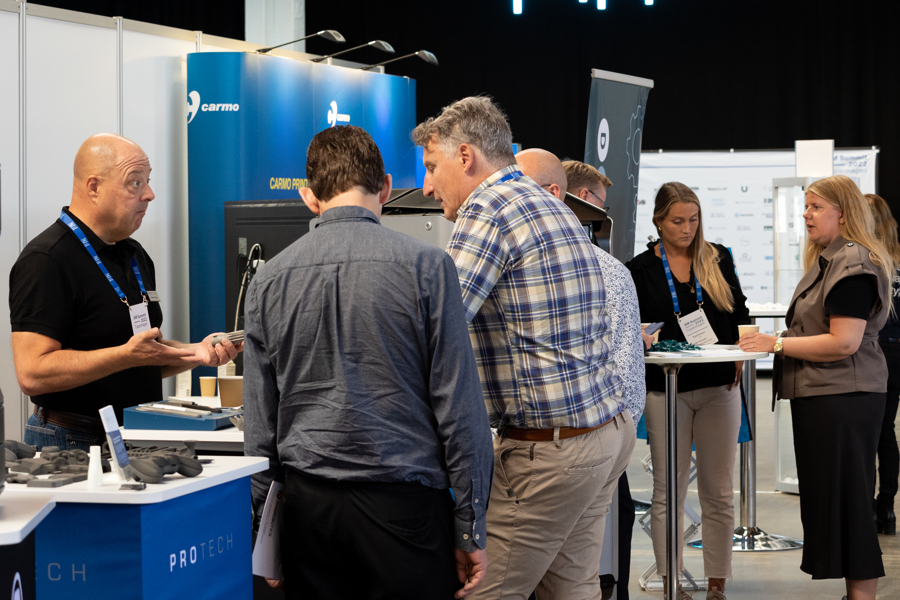
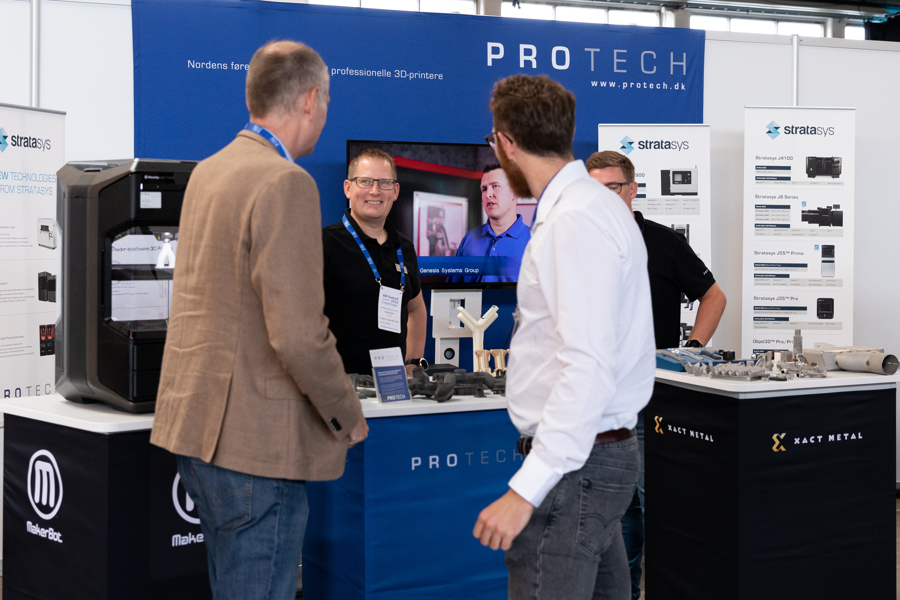
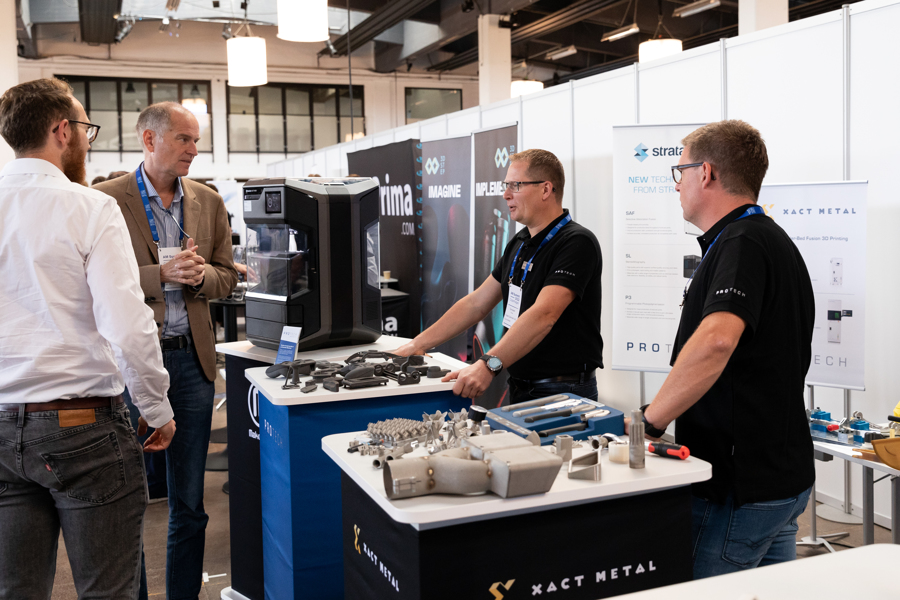
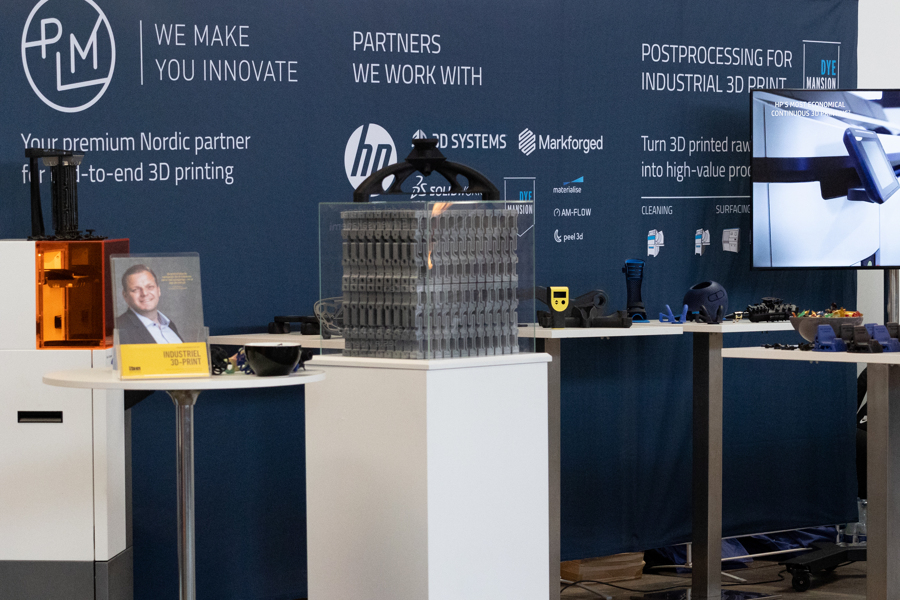
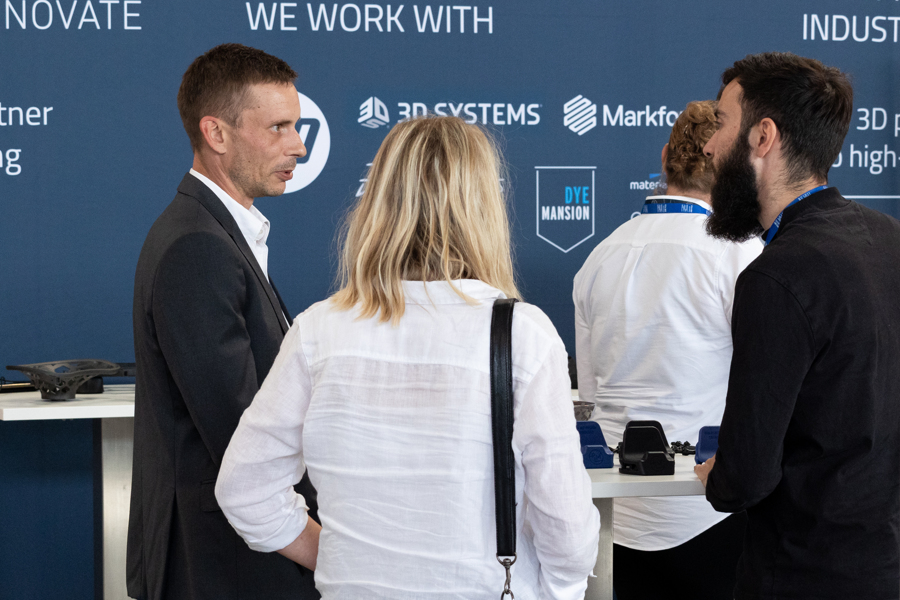
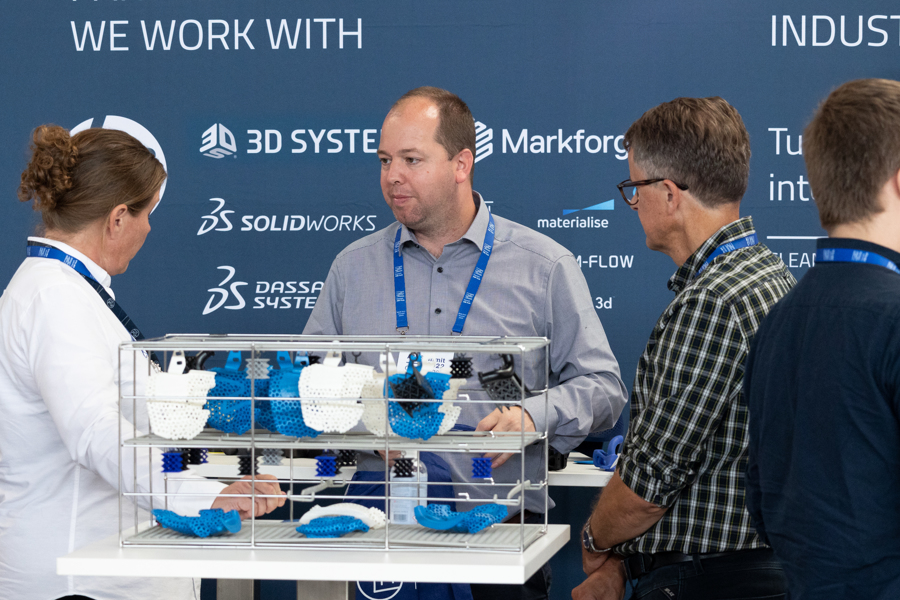
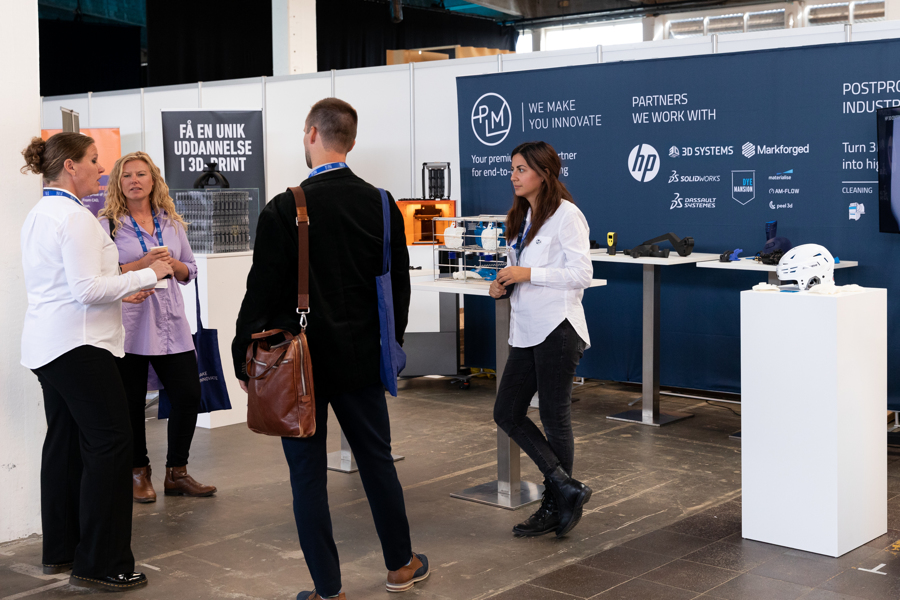
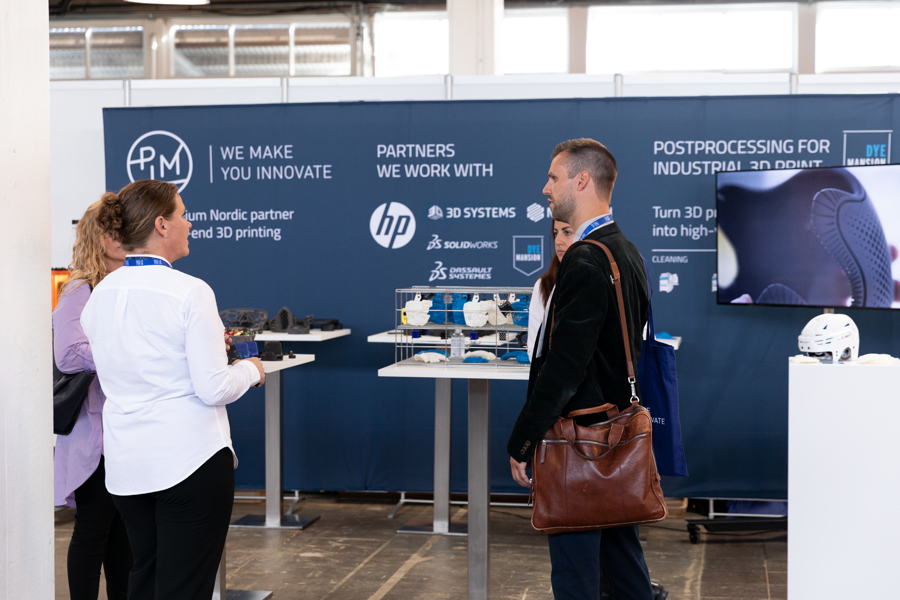
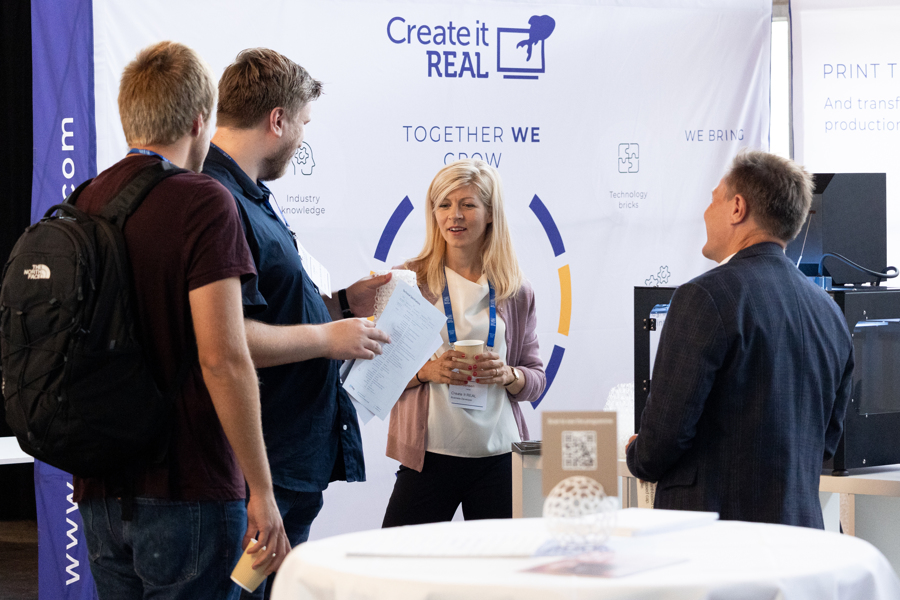
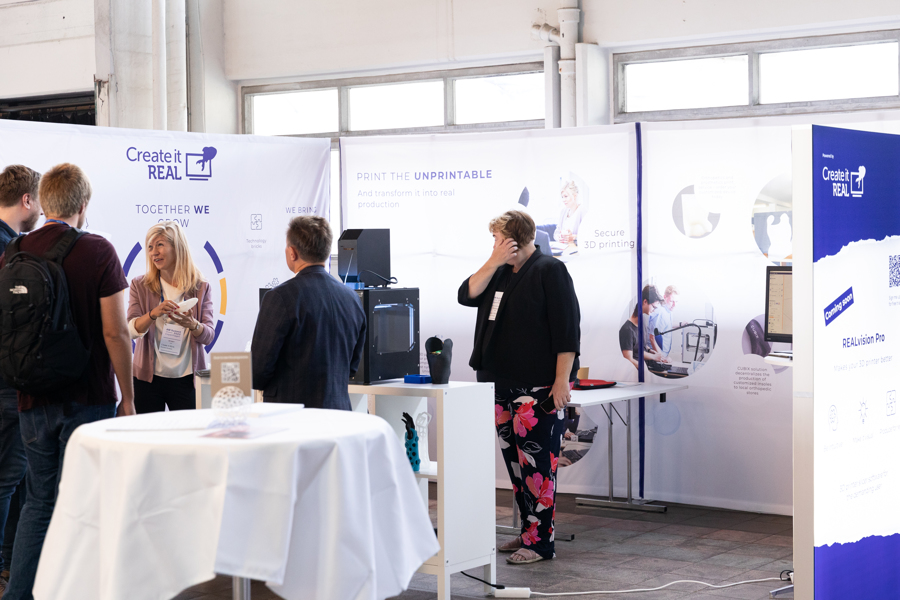
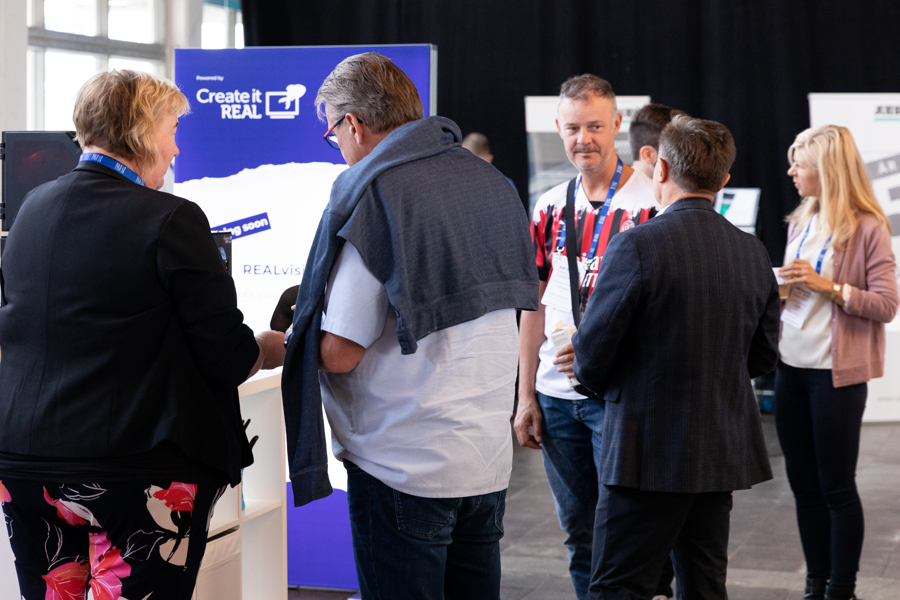
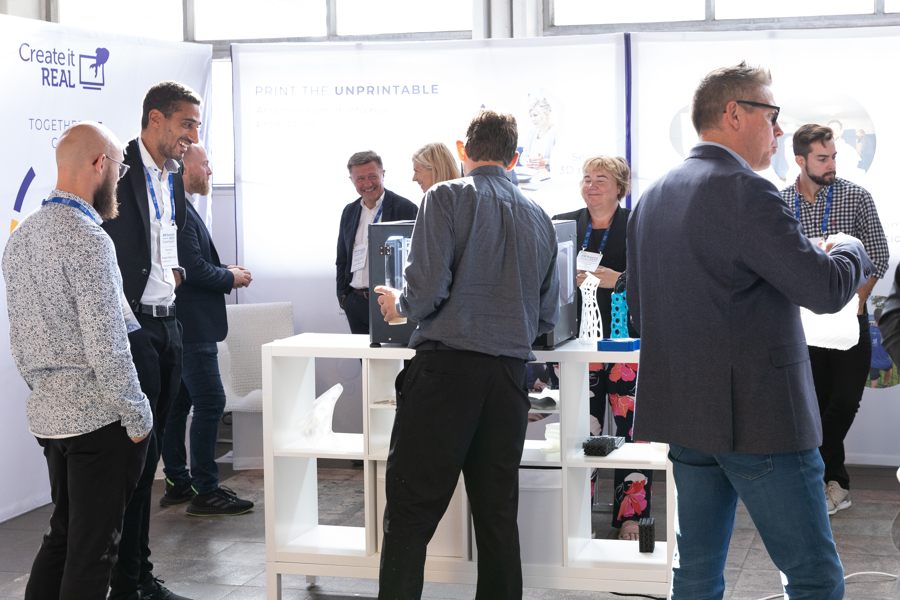
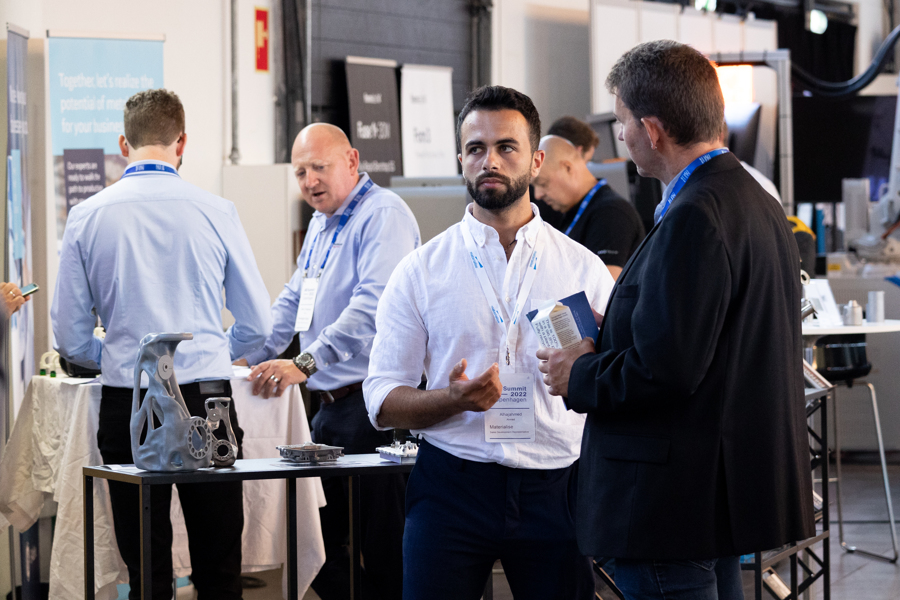
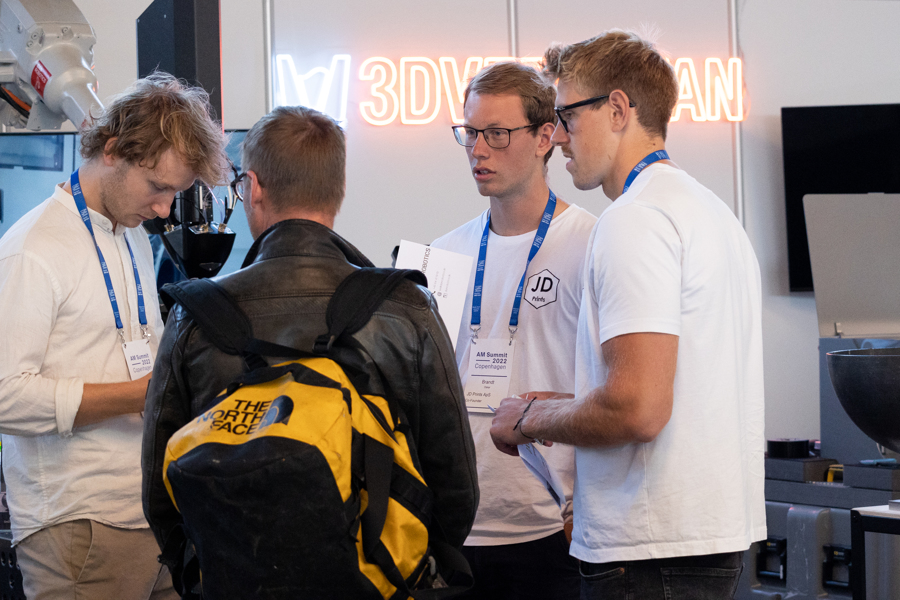
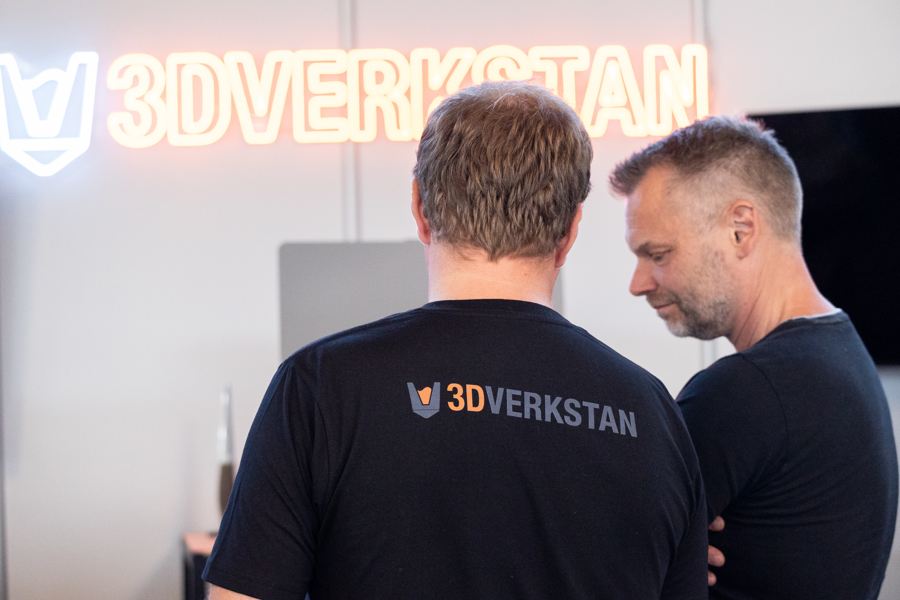
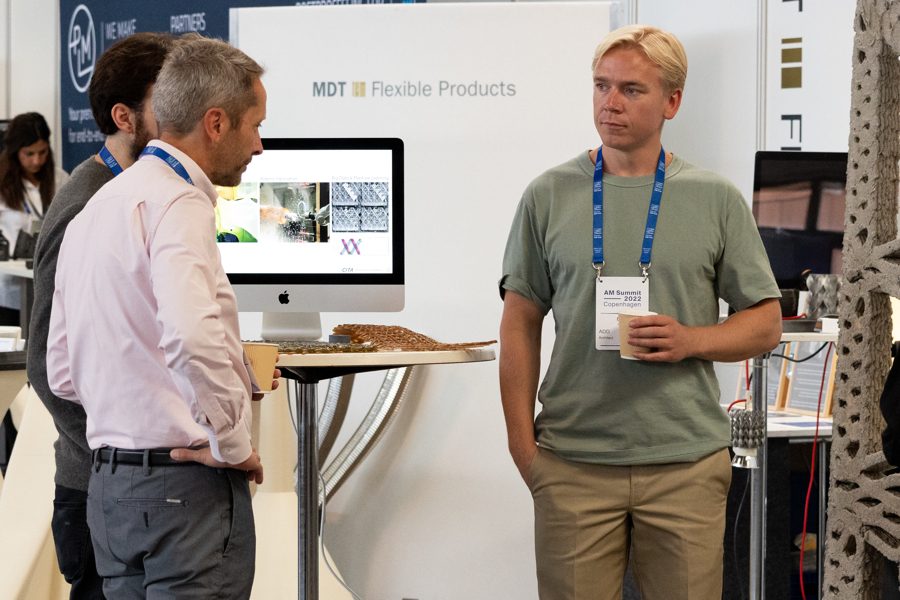
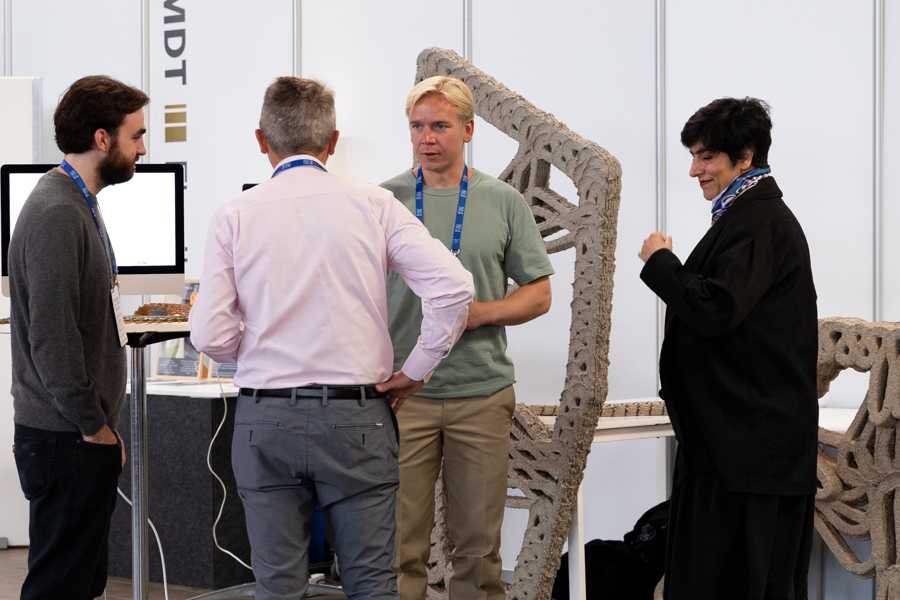
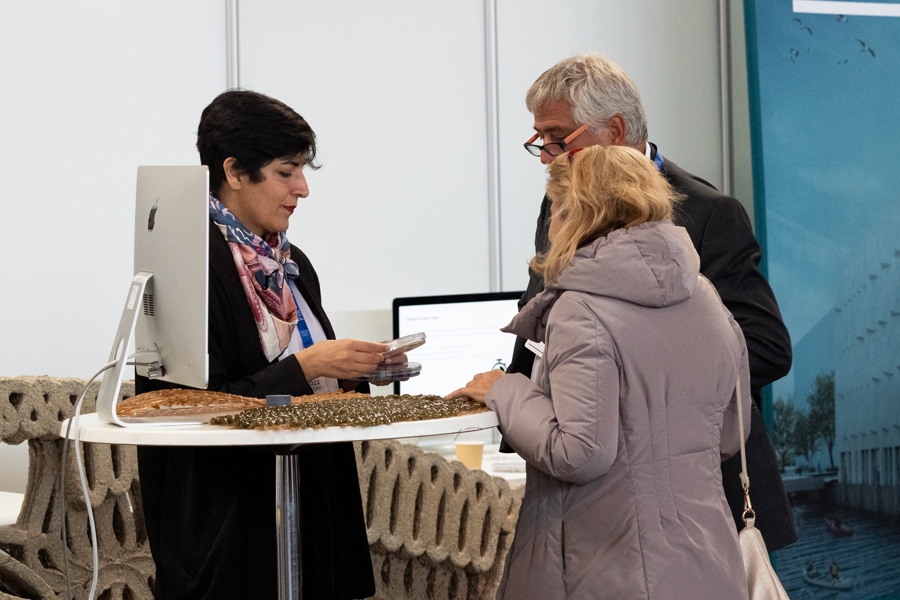
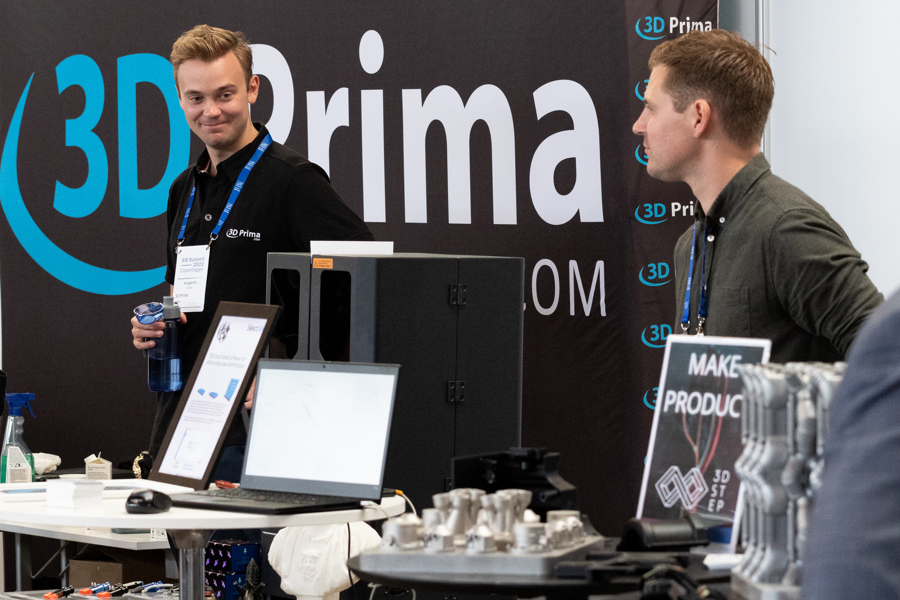
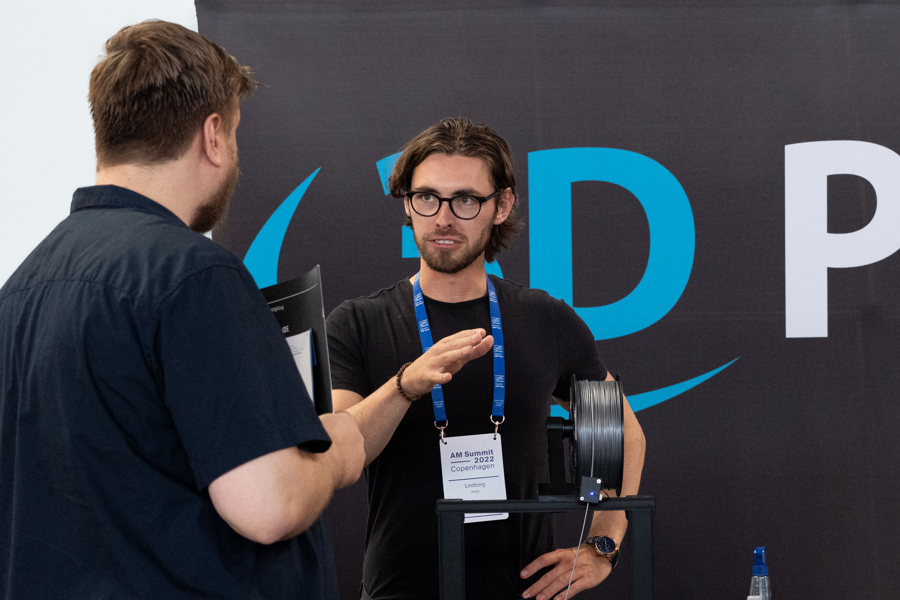
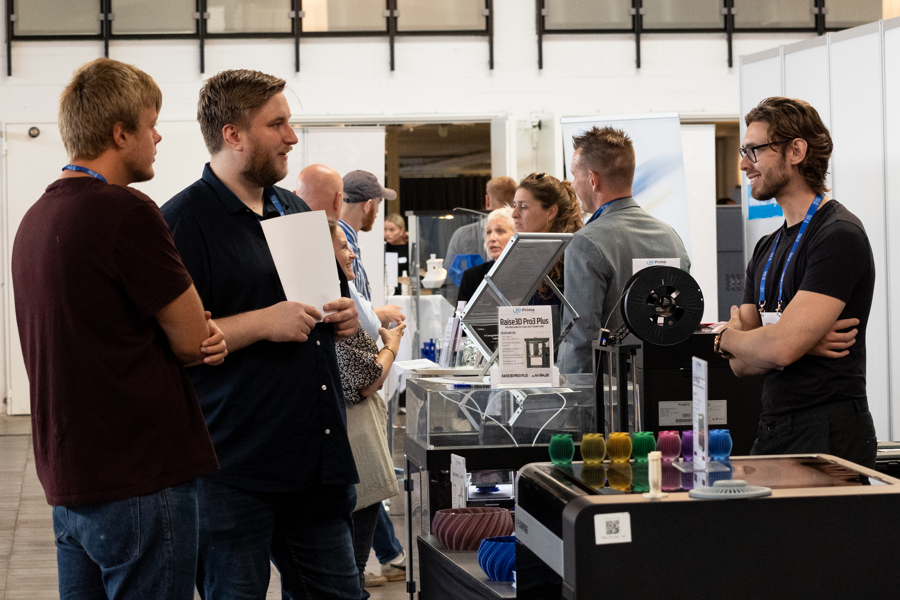
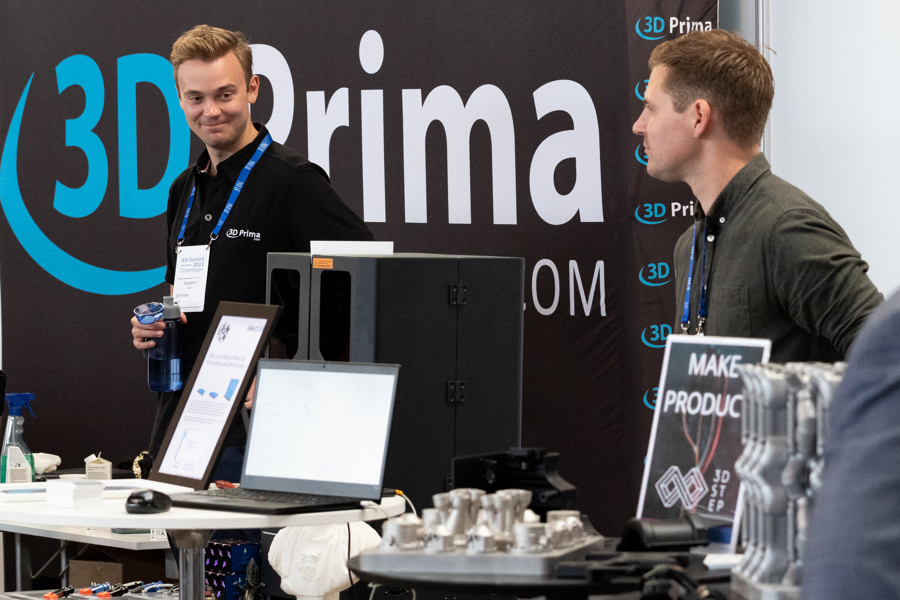
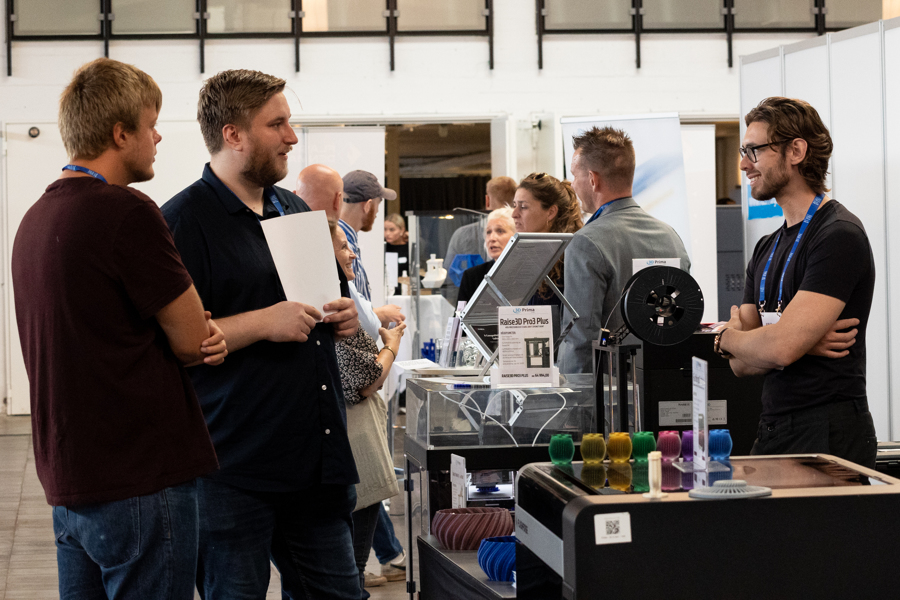
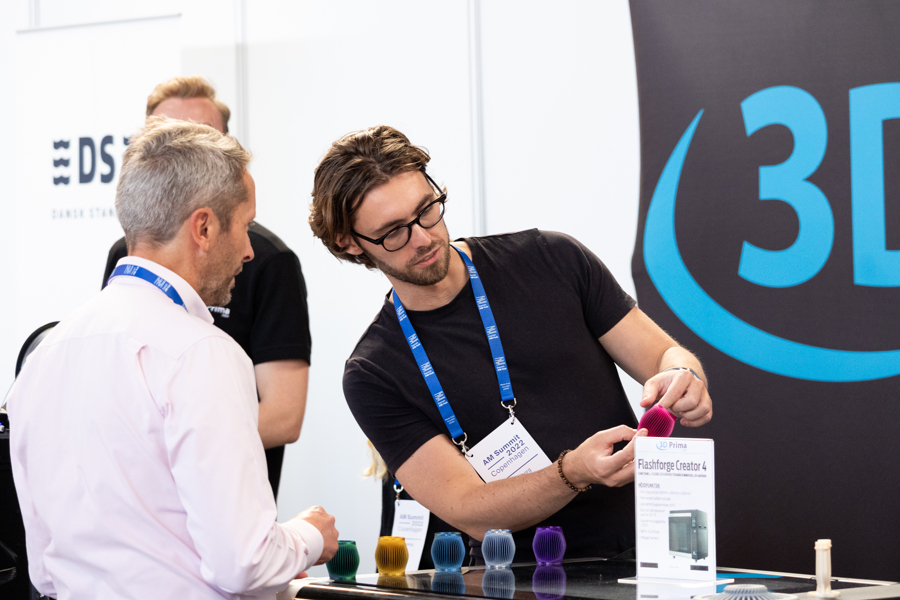
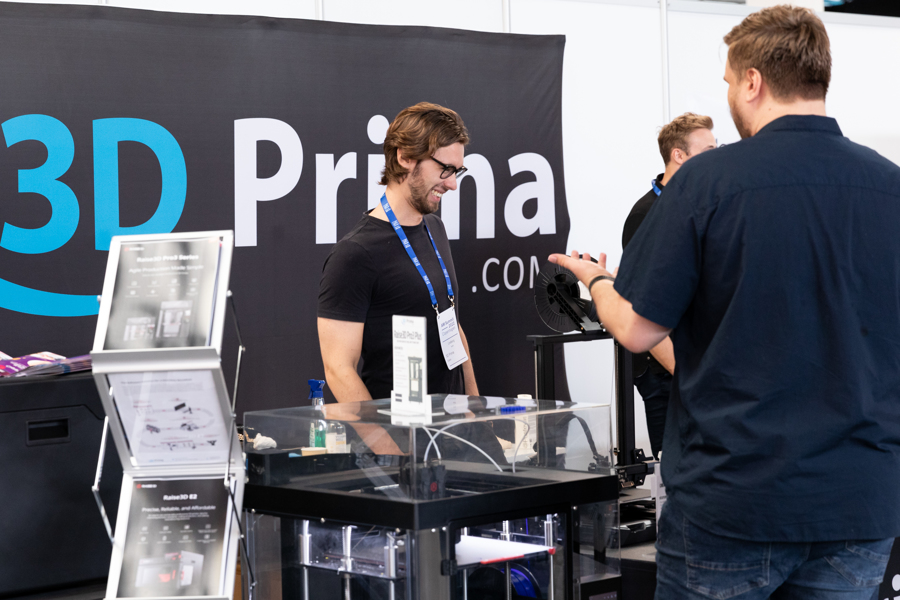
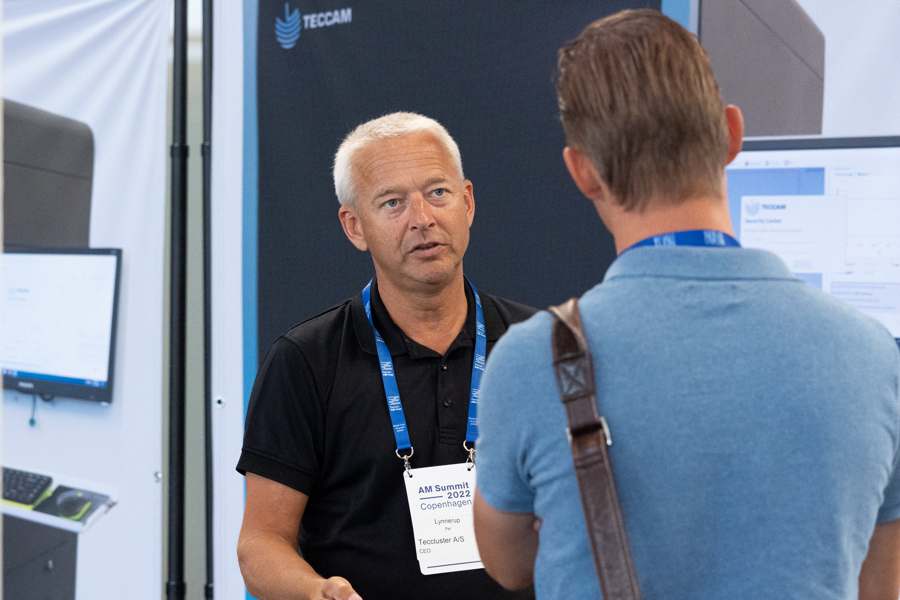
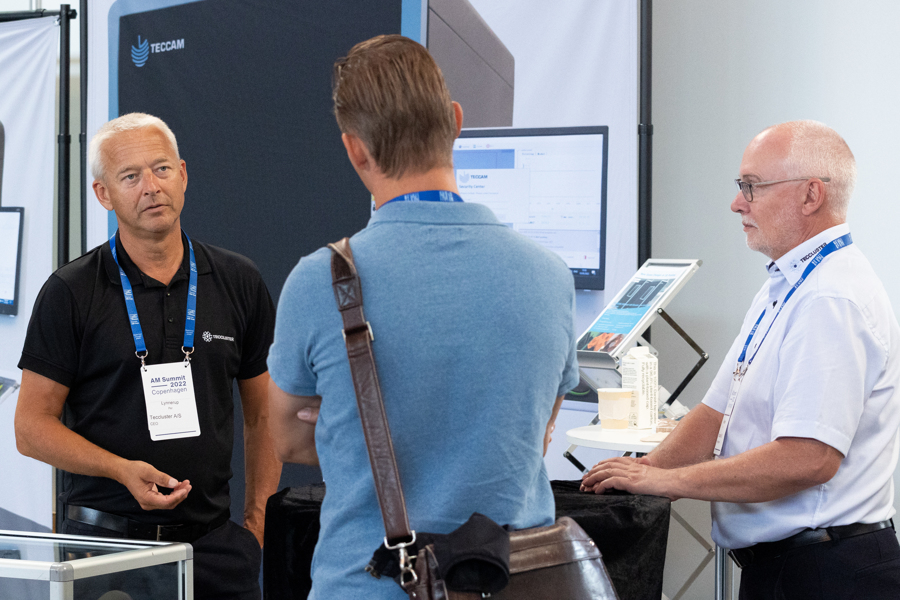
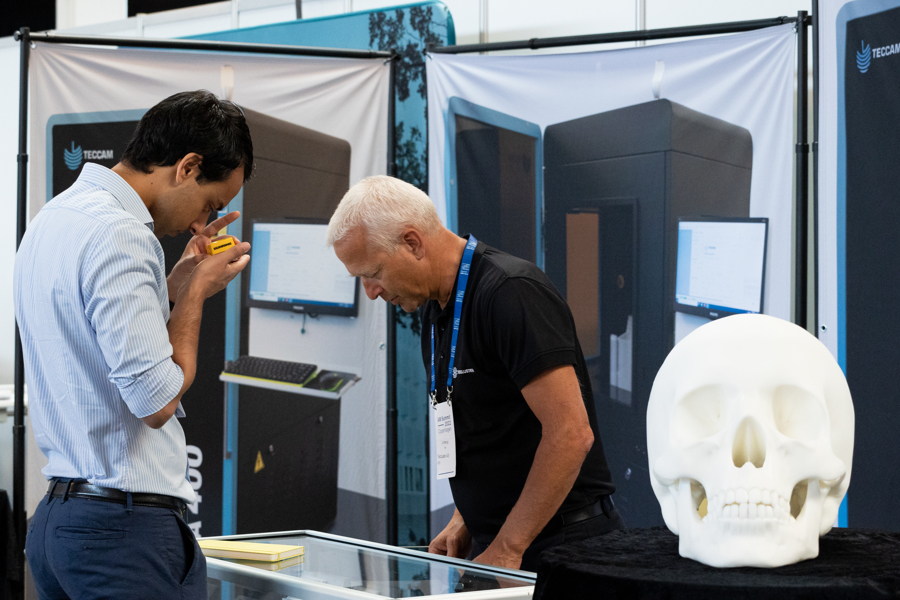
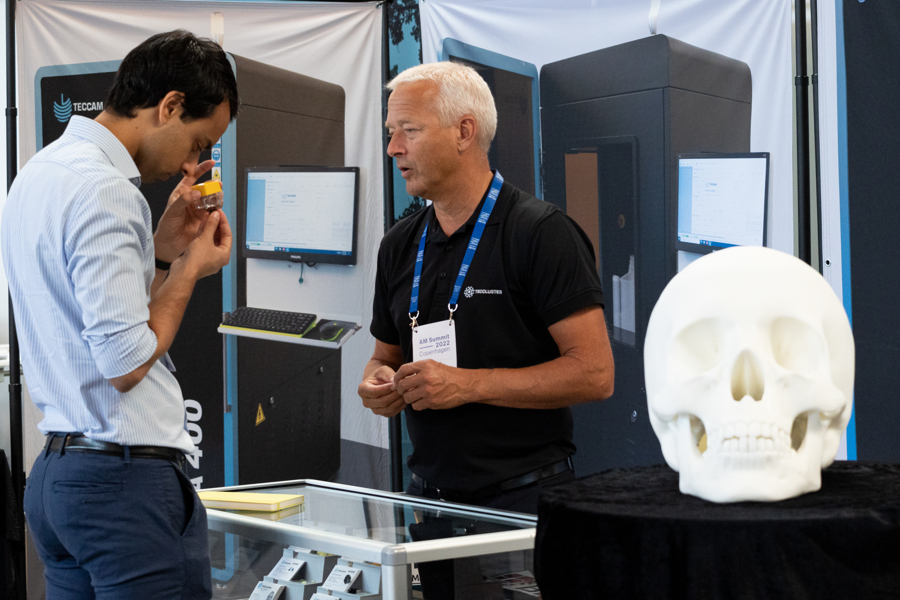
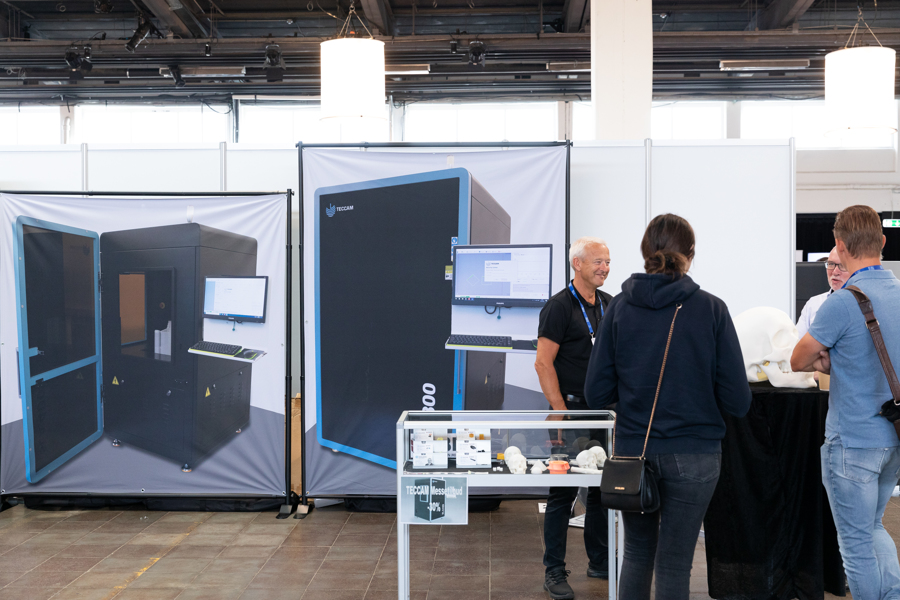
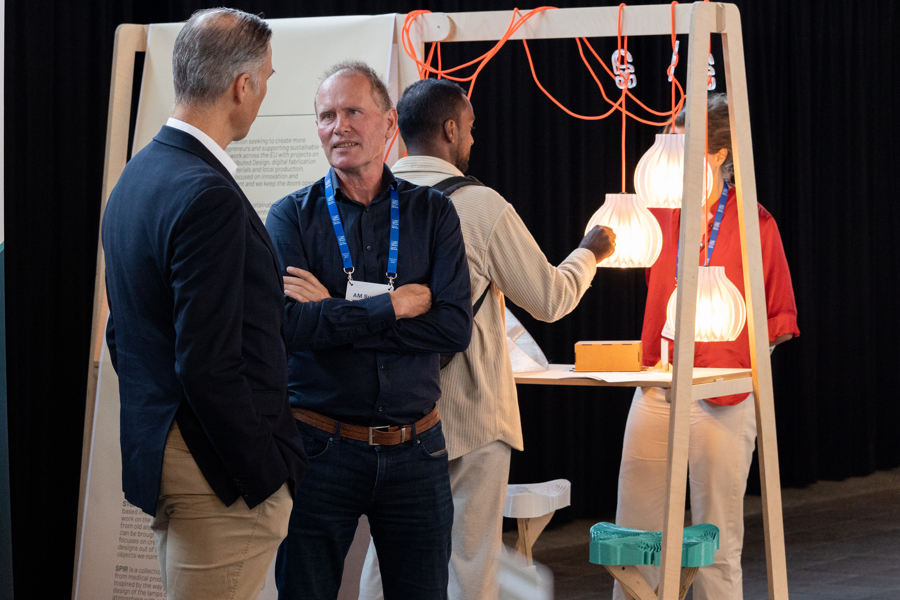
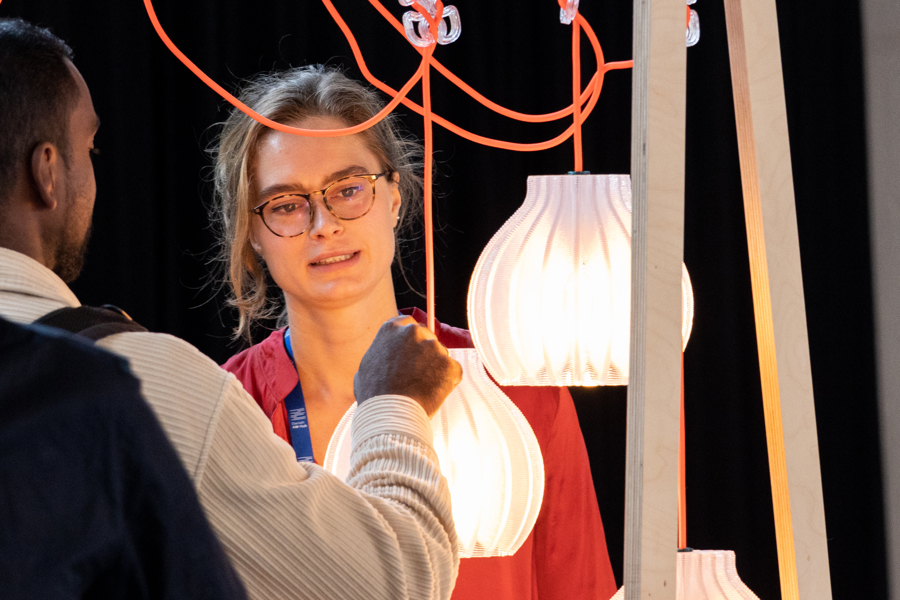
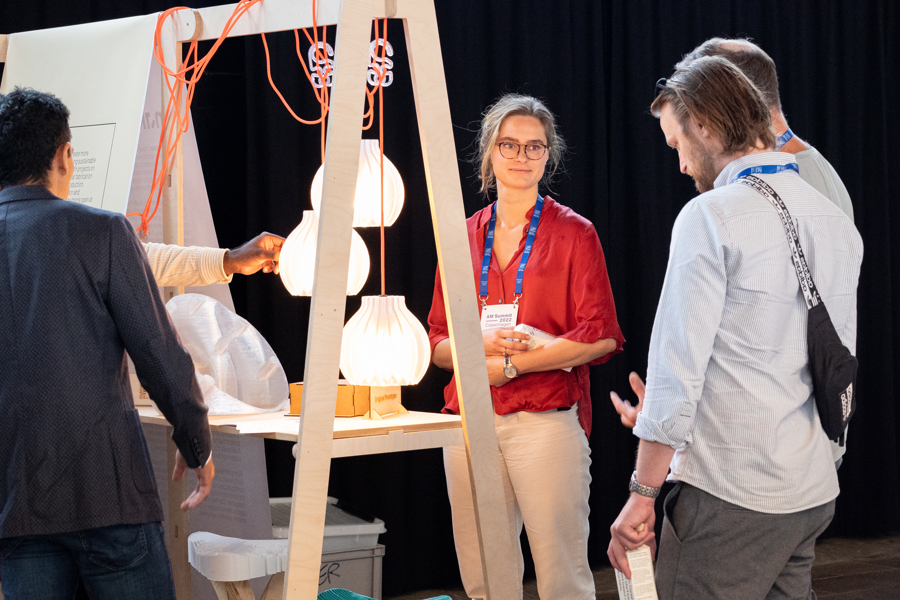
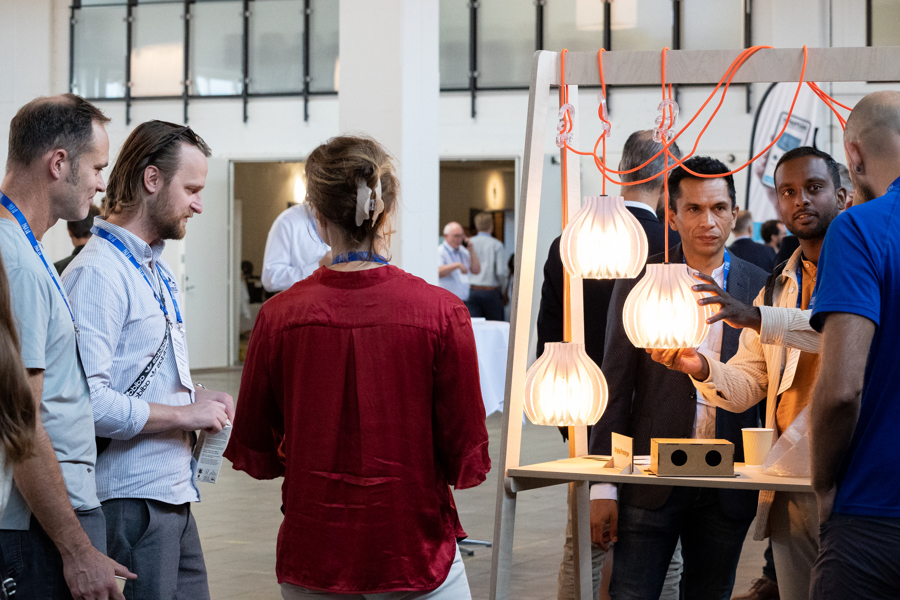
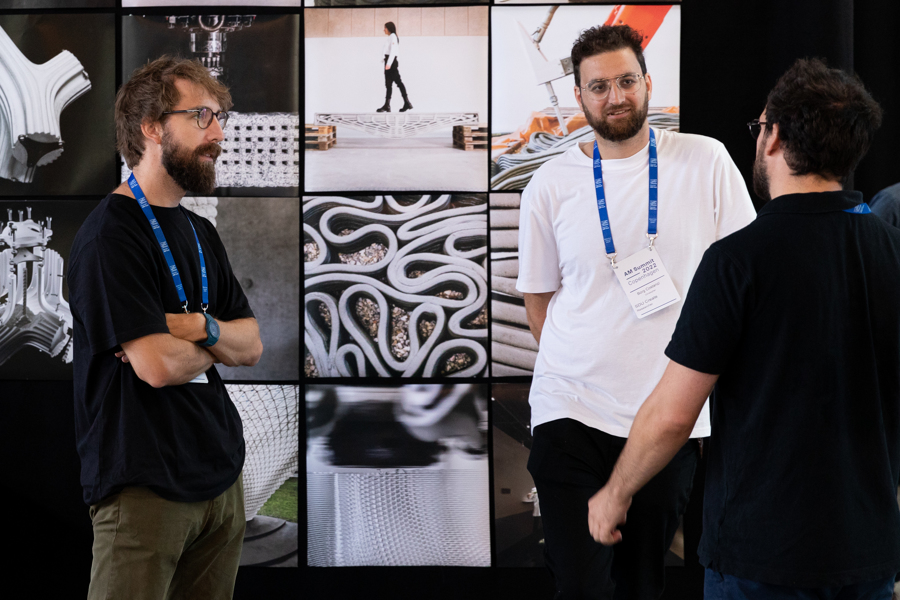
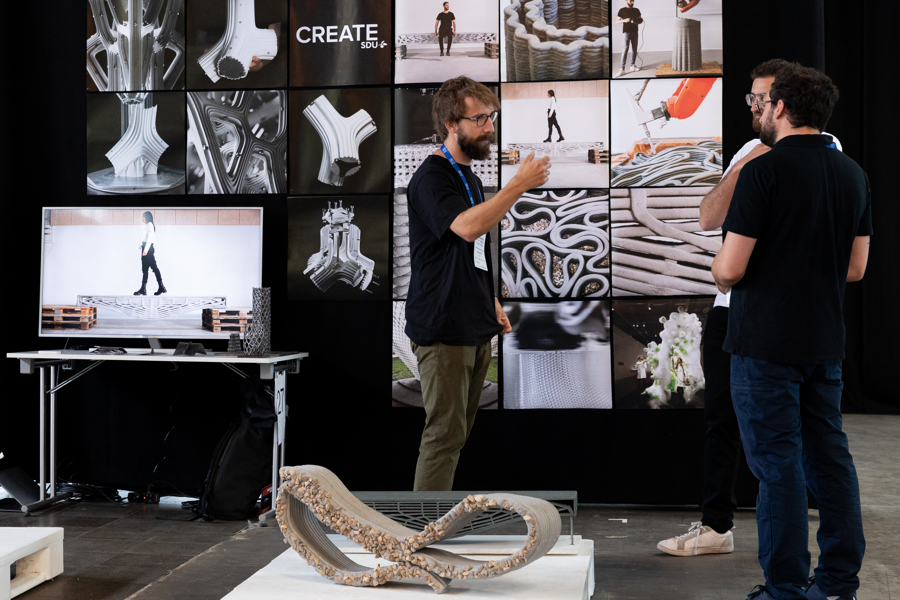
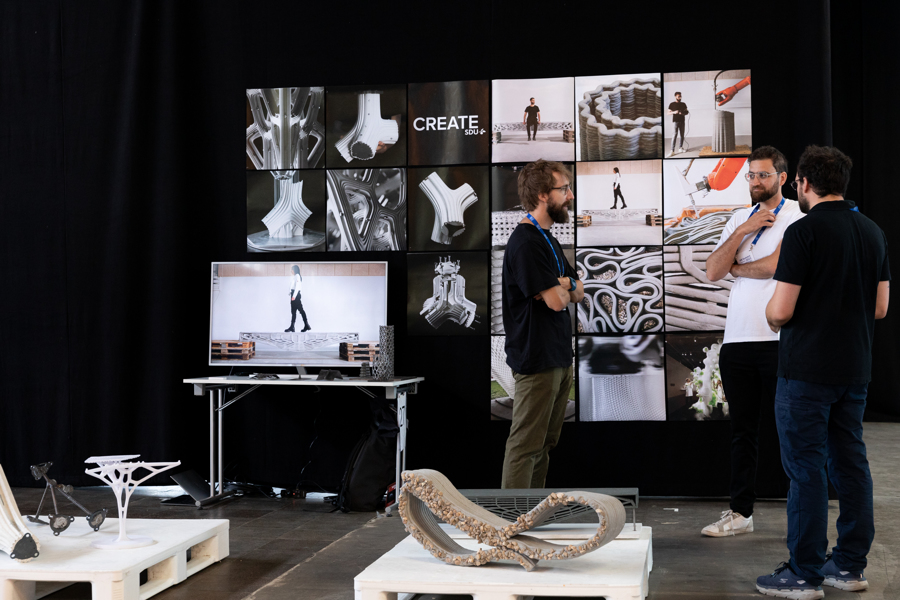
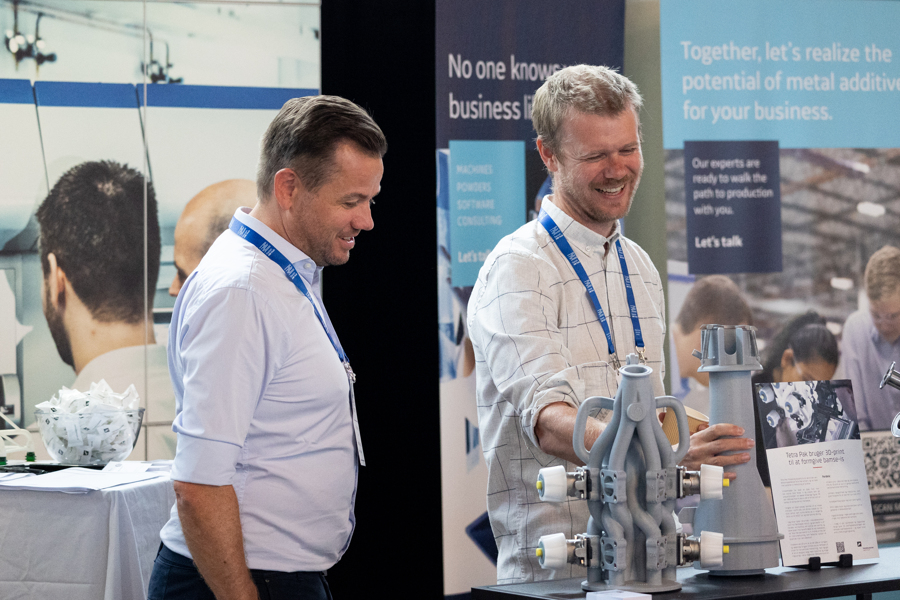
AM Summit 2022: See pictures from this year’s exhibitors
See pictures from this year’s exhibitors
Carmo
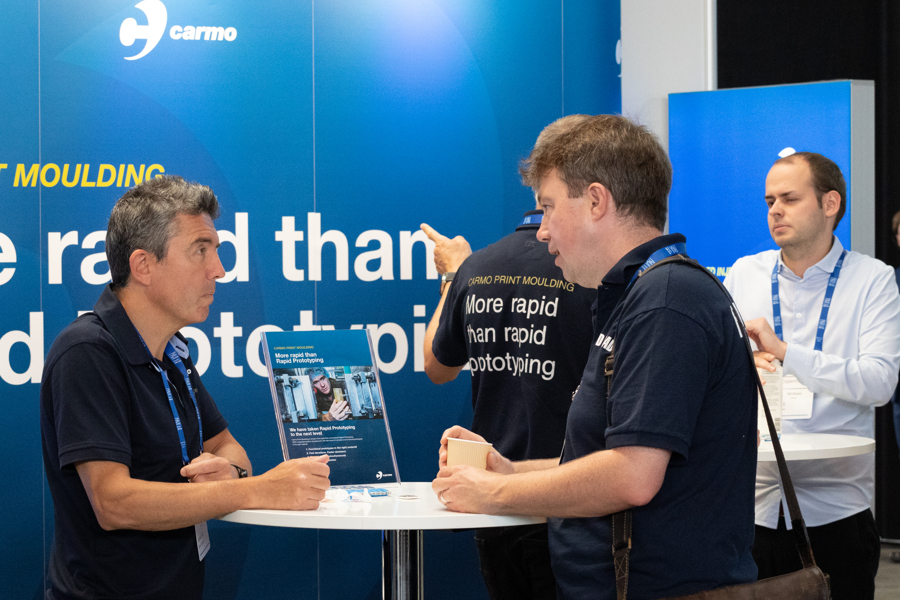
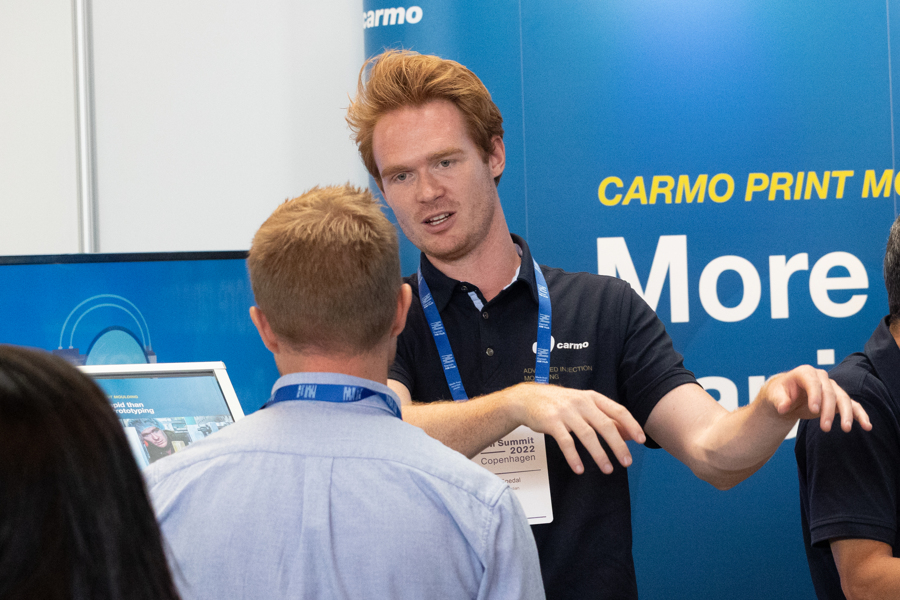
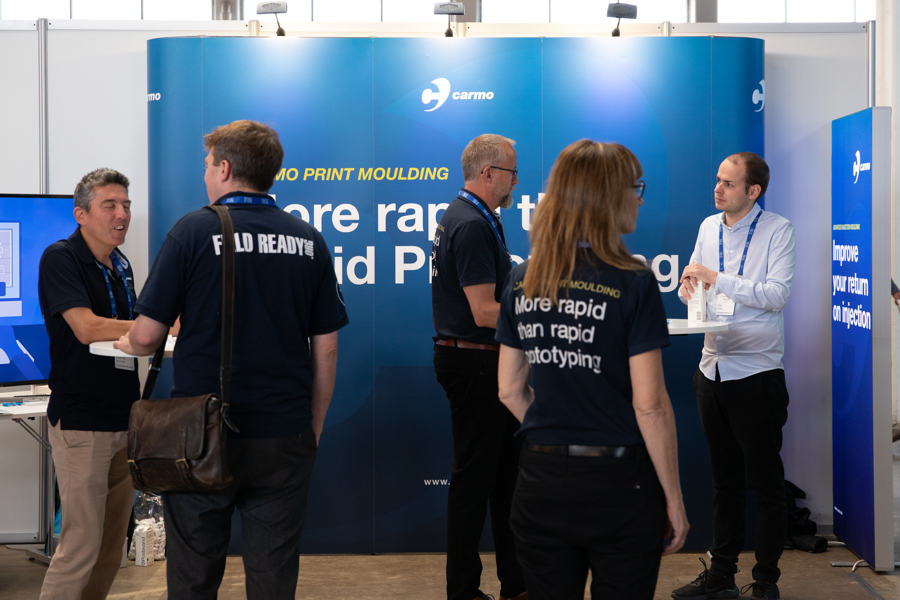
Formlabs
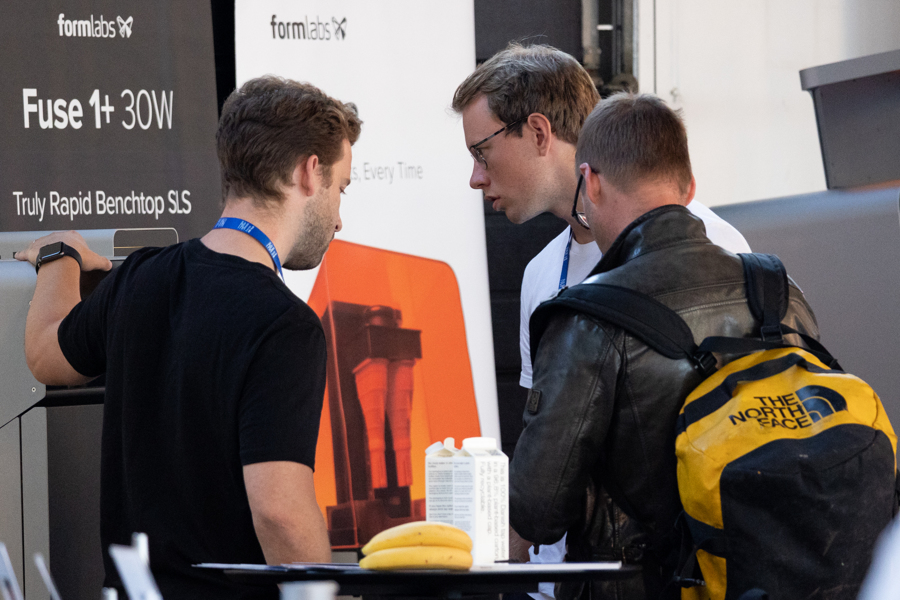
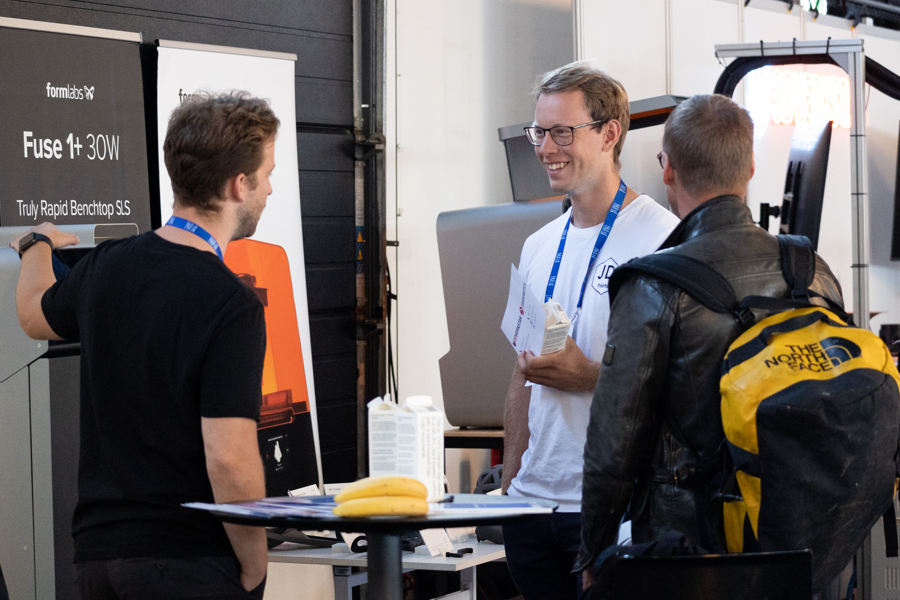
Arburg
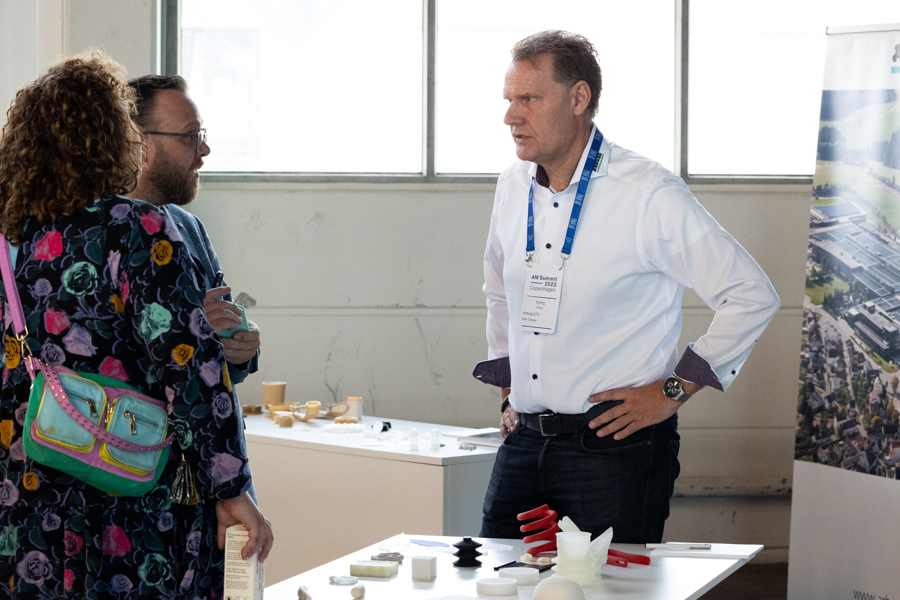
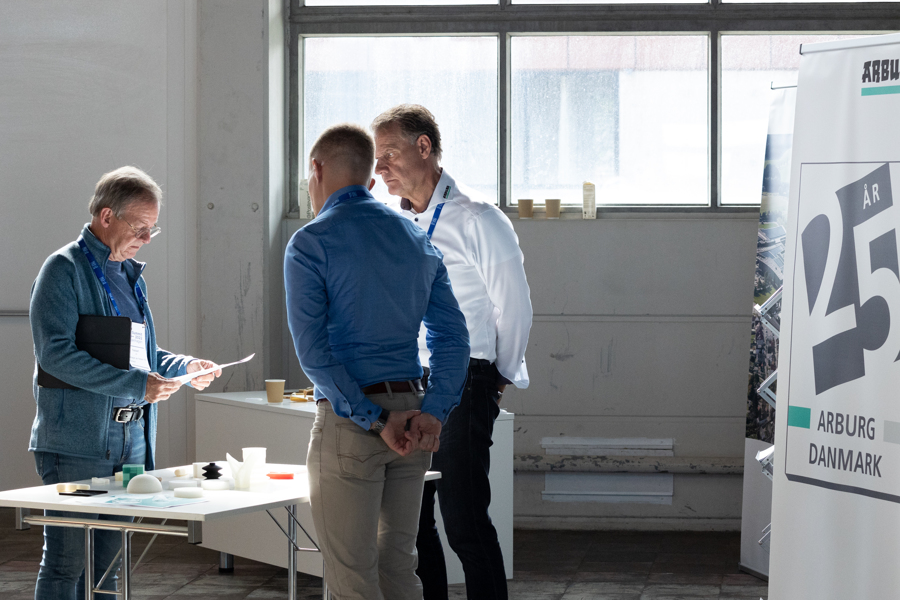
EOS
Protech
PLM Group
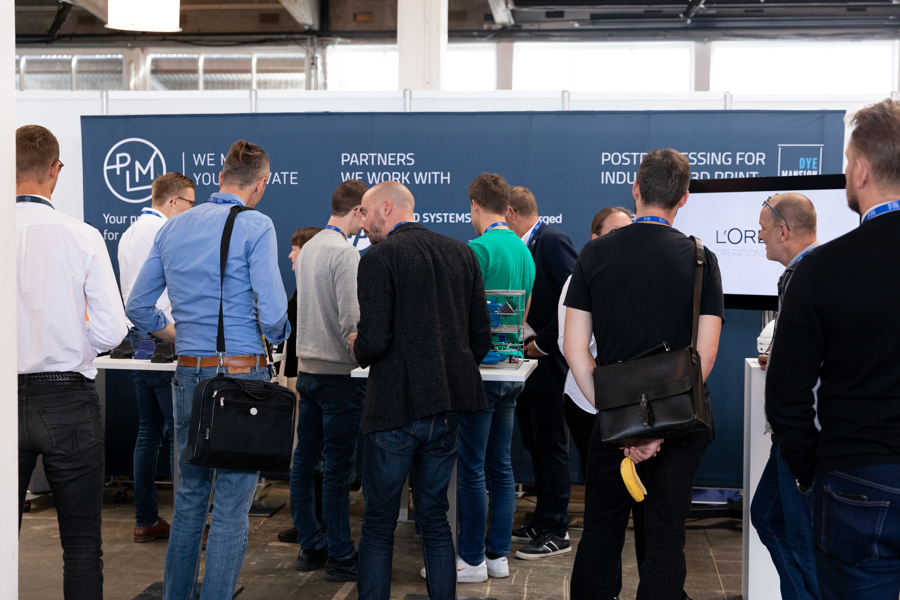
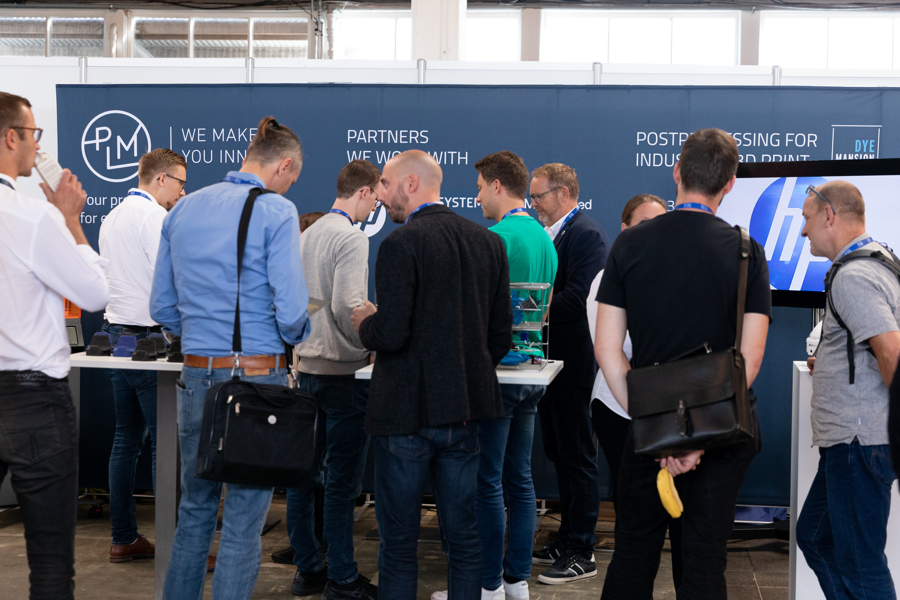
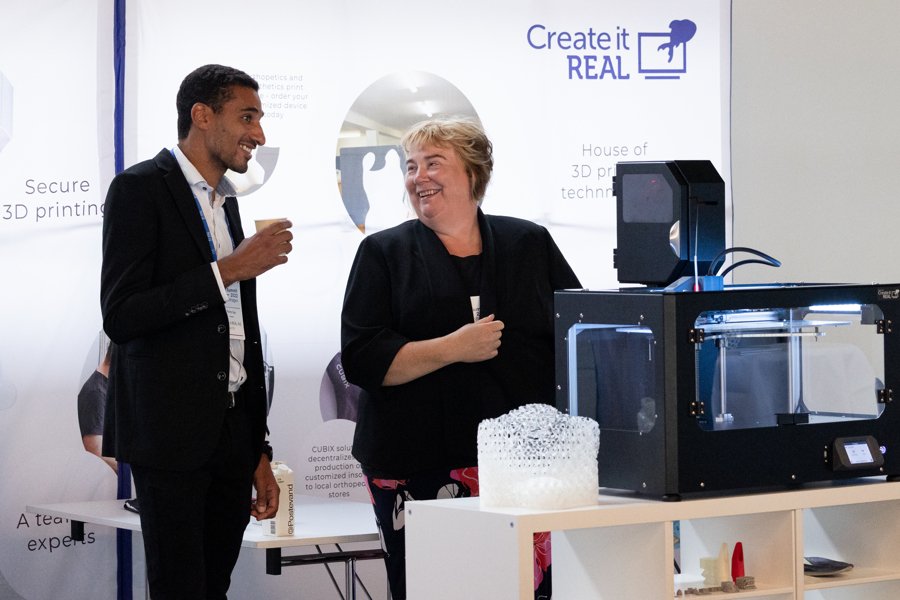
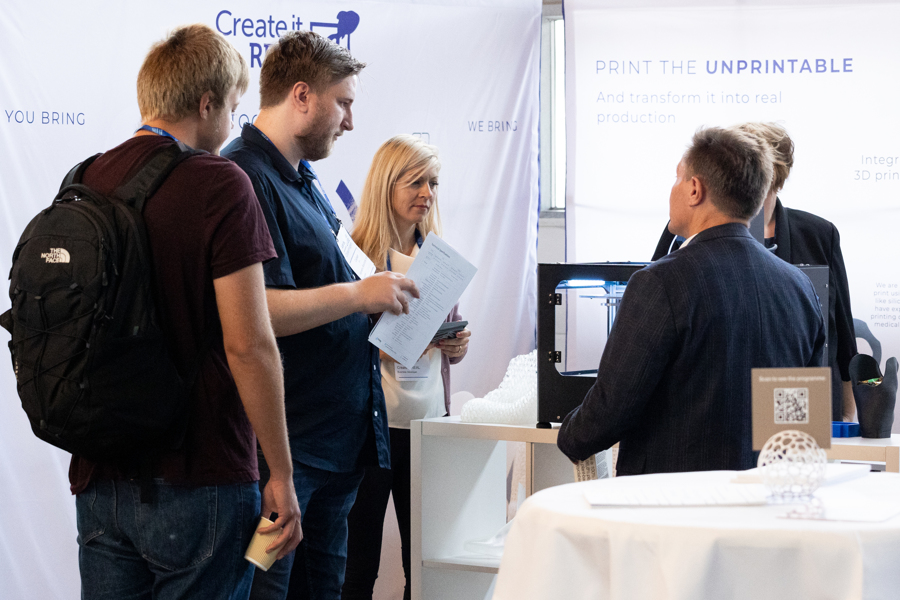
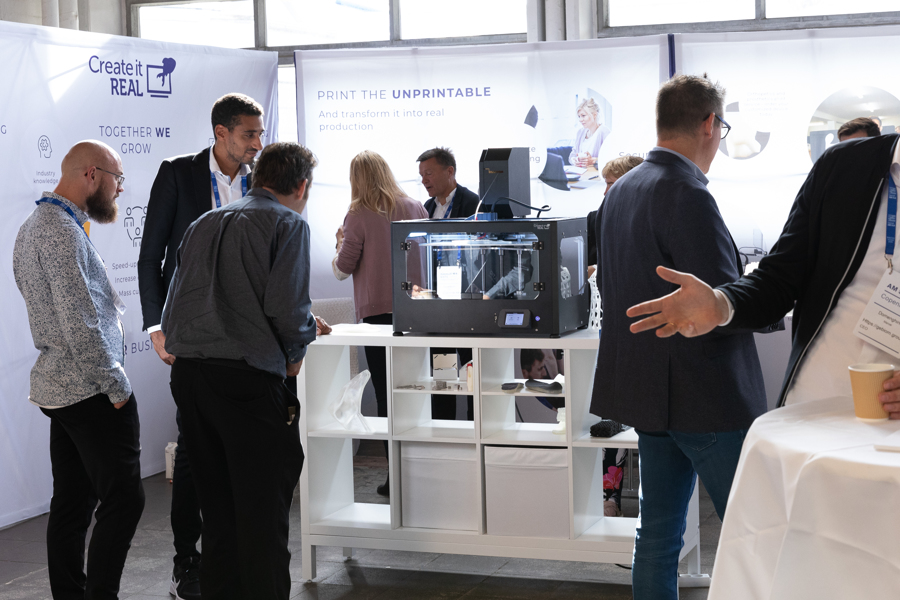
Create it REAL
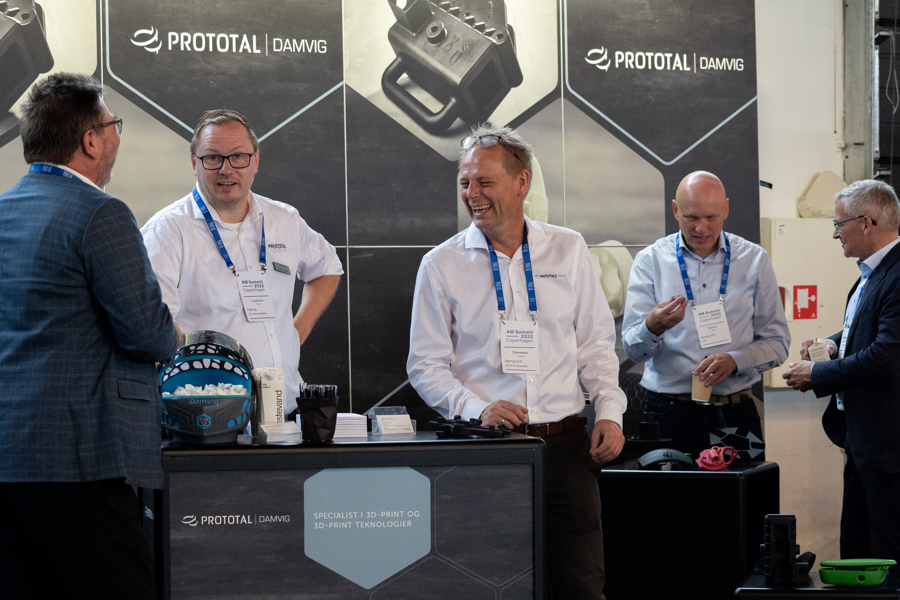
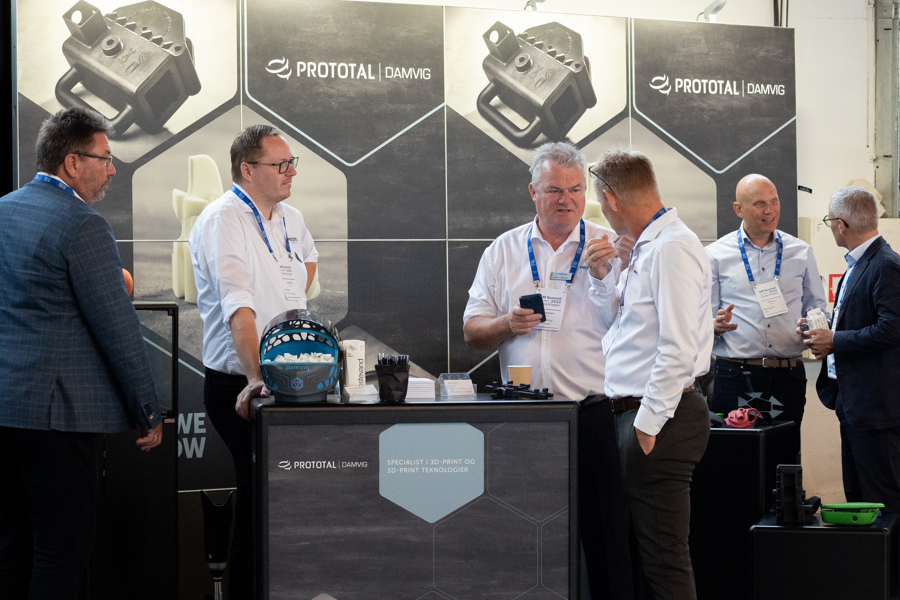
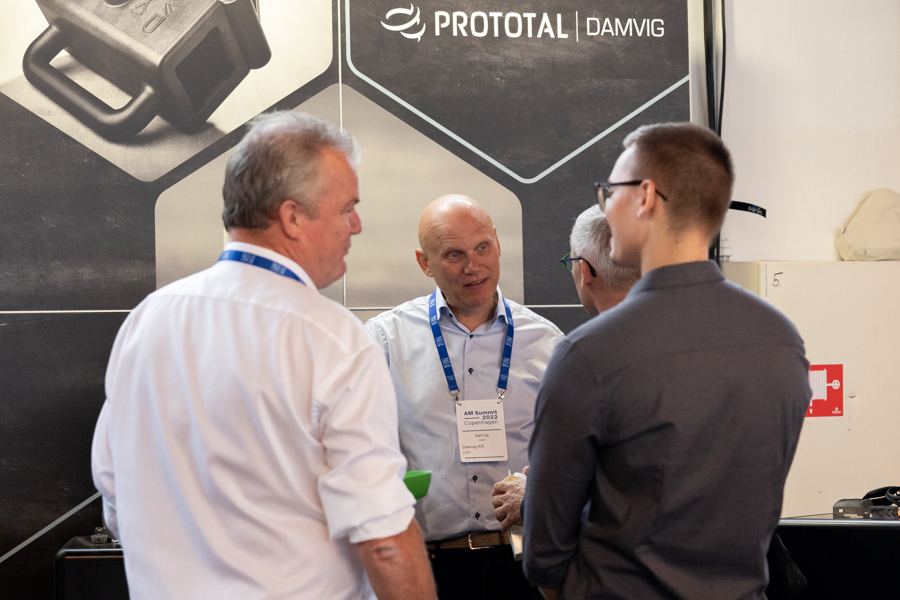
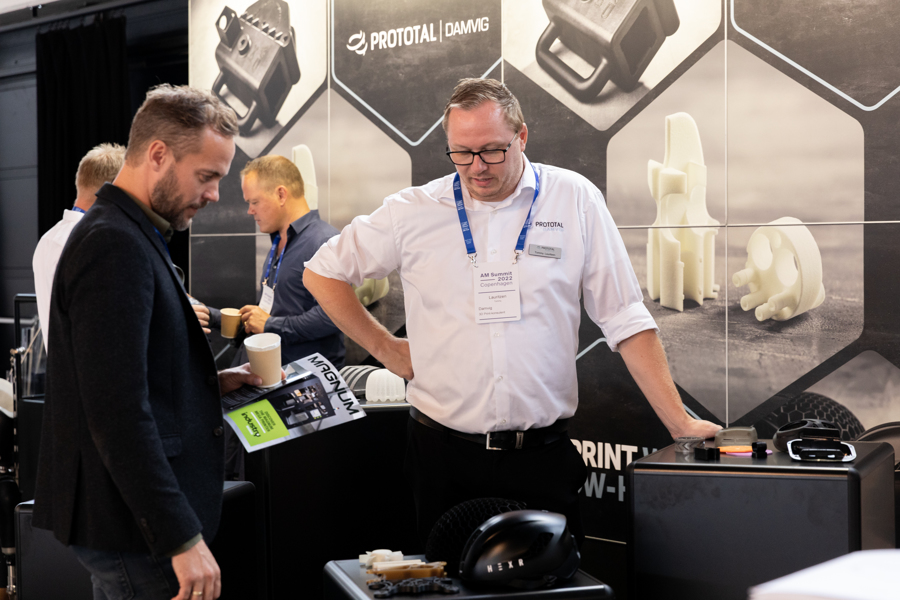
Prototal Damvig
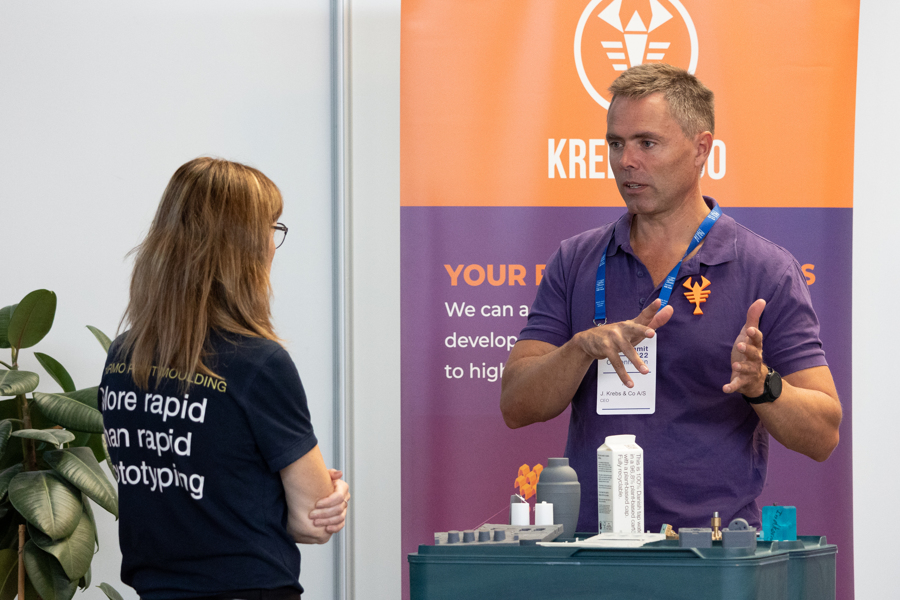
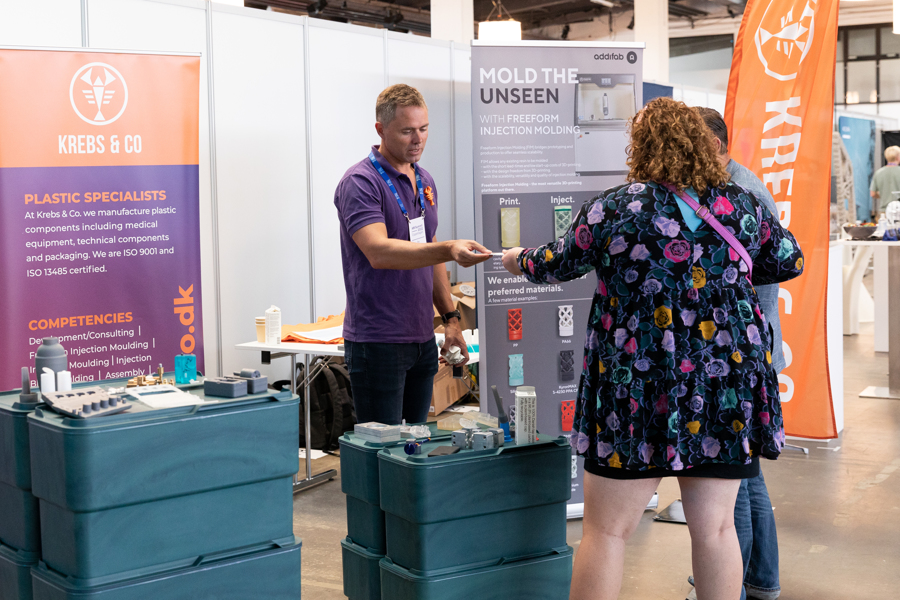
J. Krebs & Co.
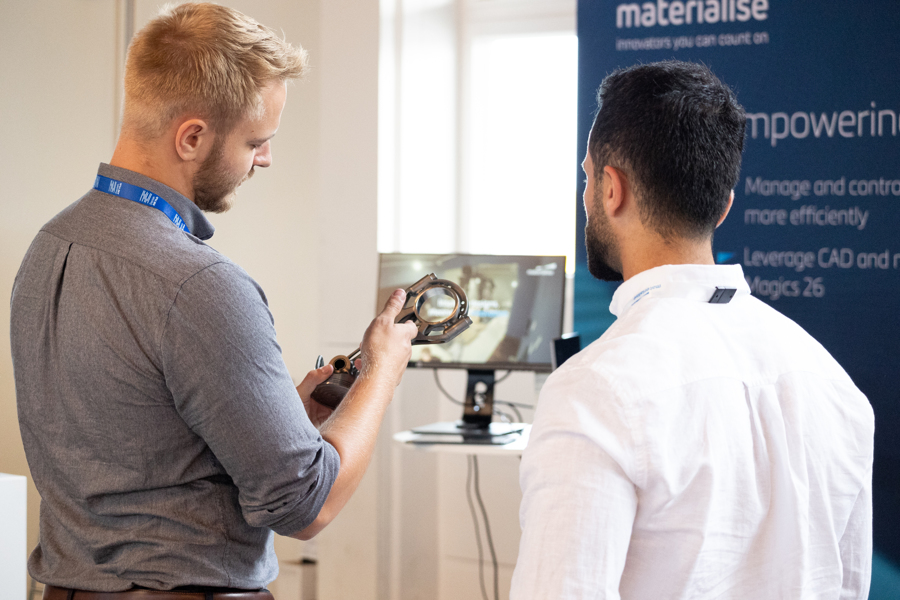
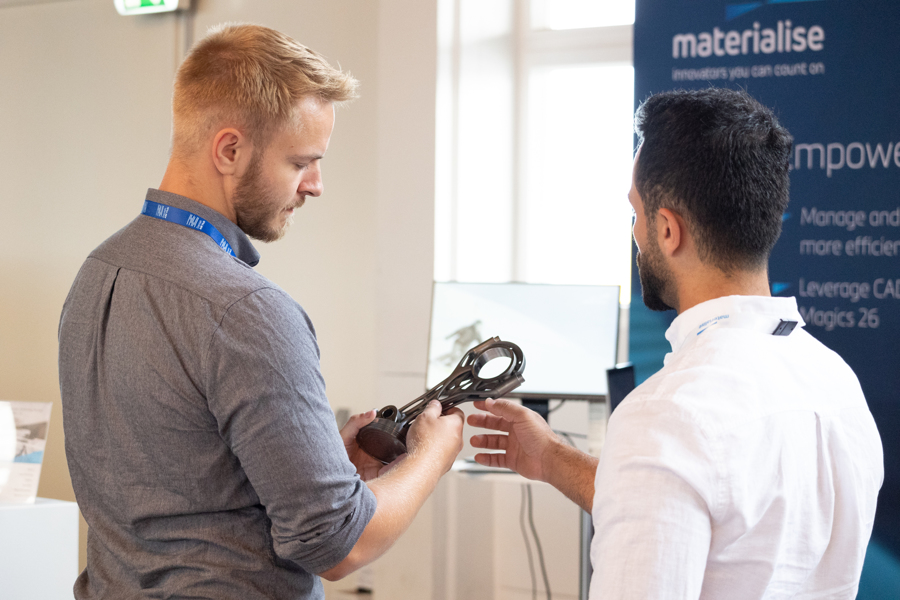
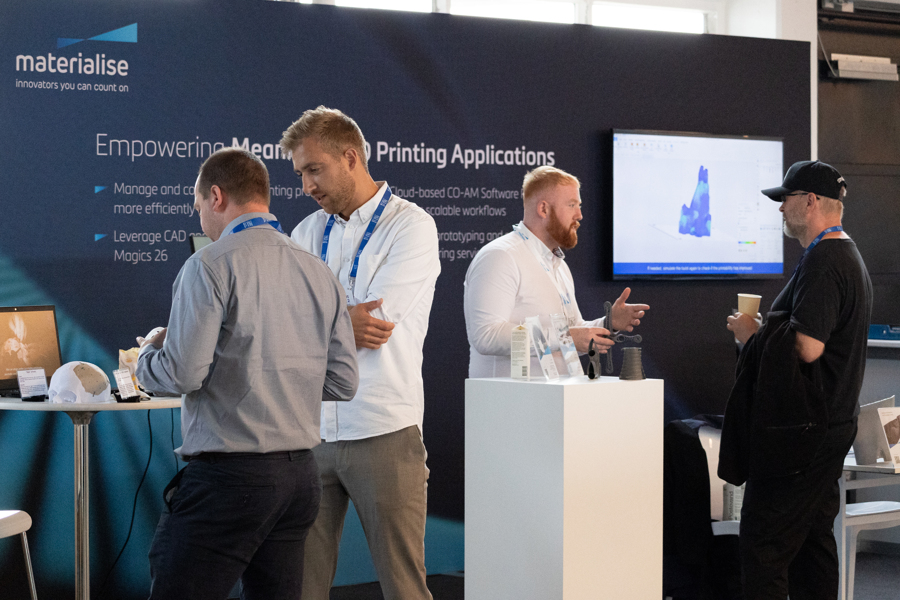
Materialise
3DVerkstan
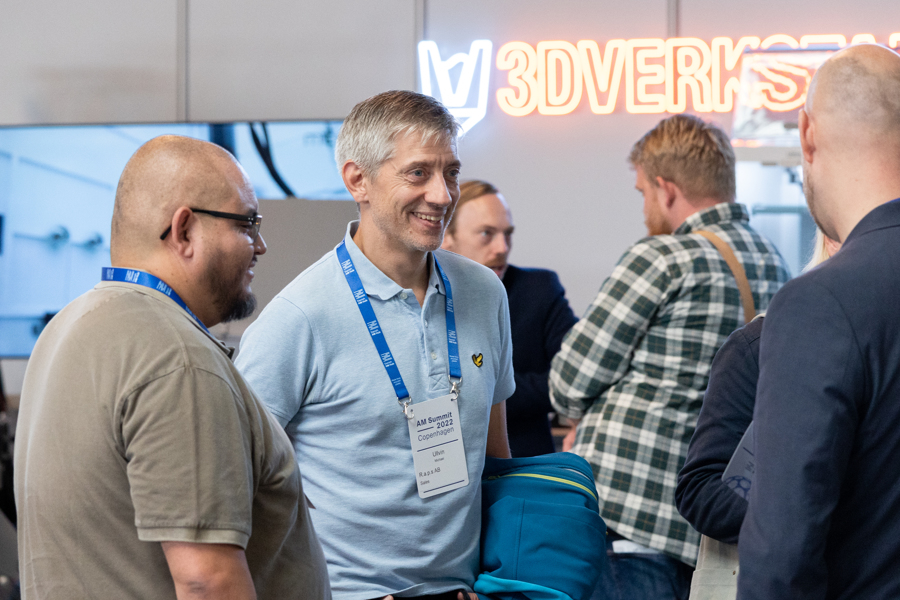
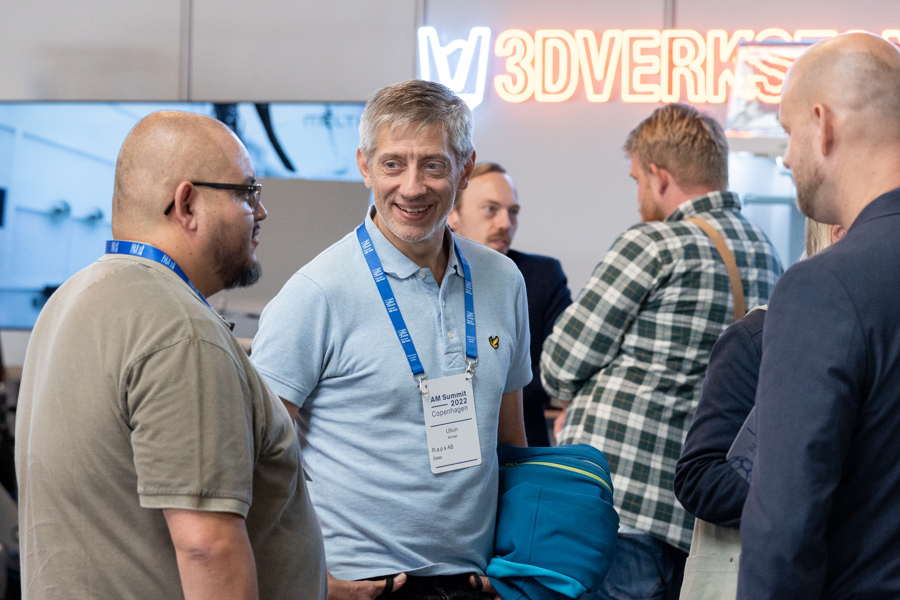
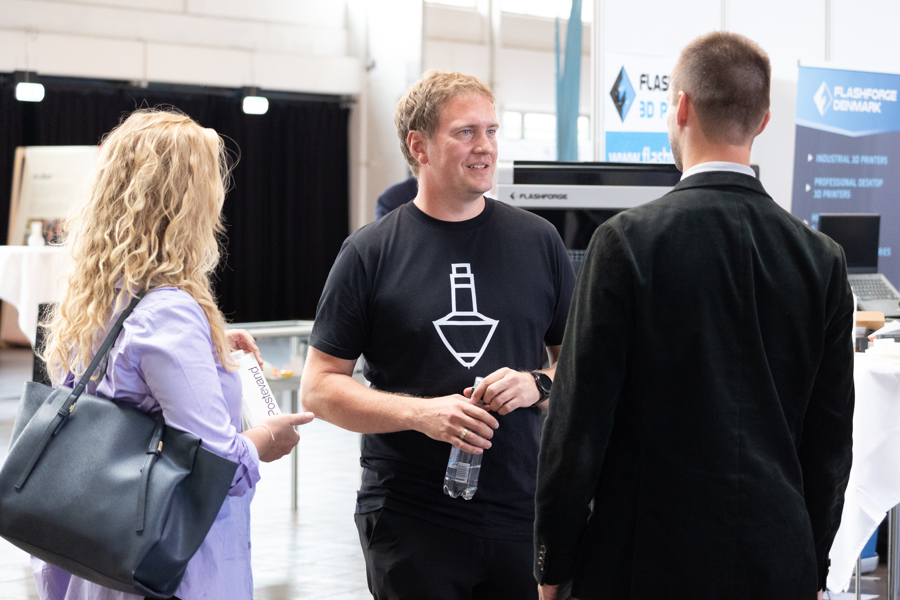
Royal Danish Academy
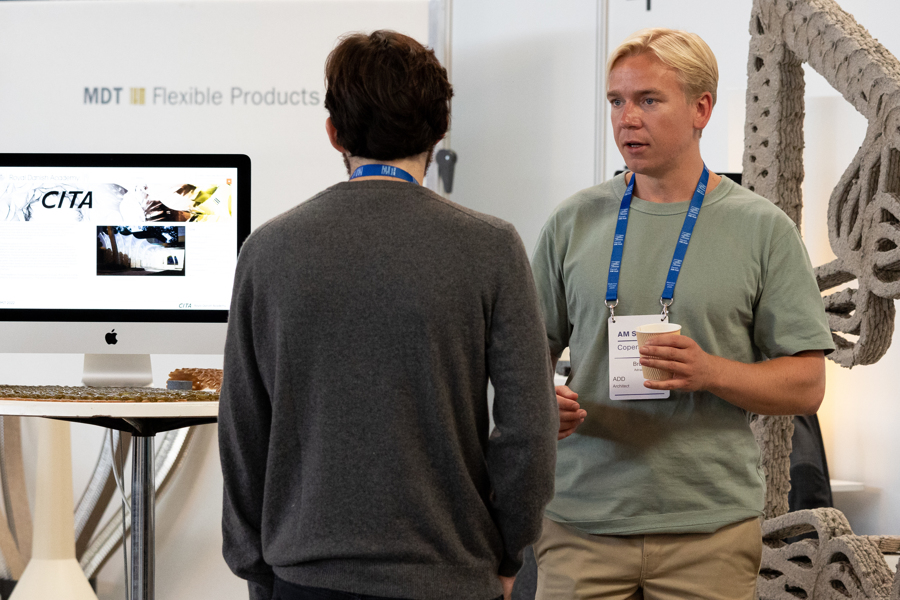
3D Prima
TECCLUSTER
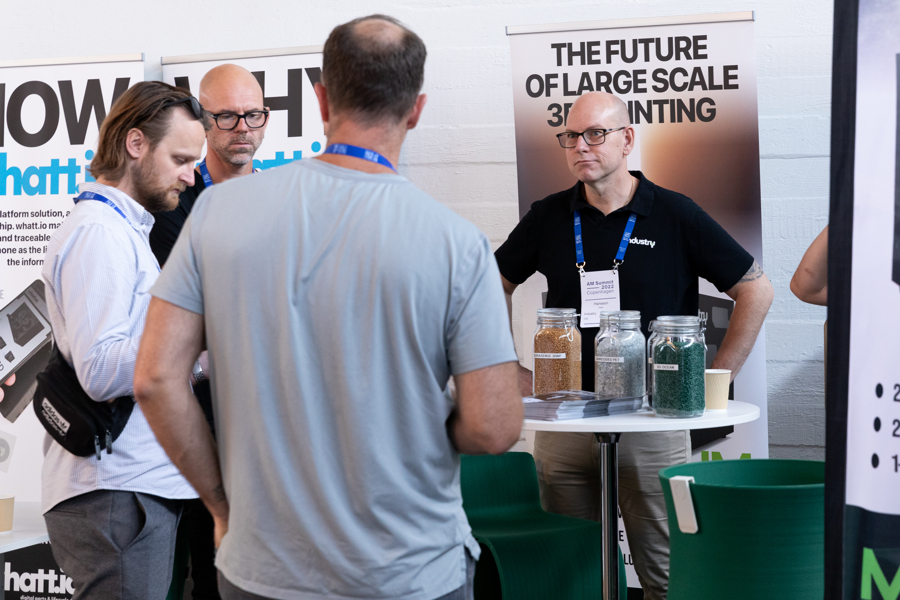
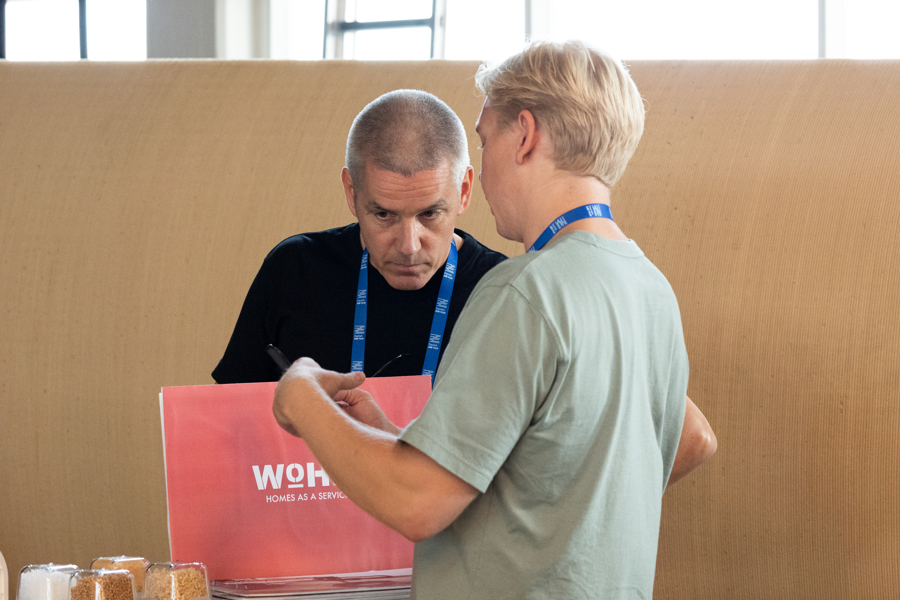
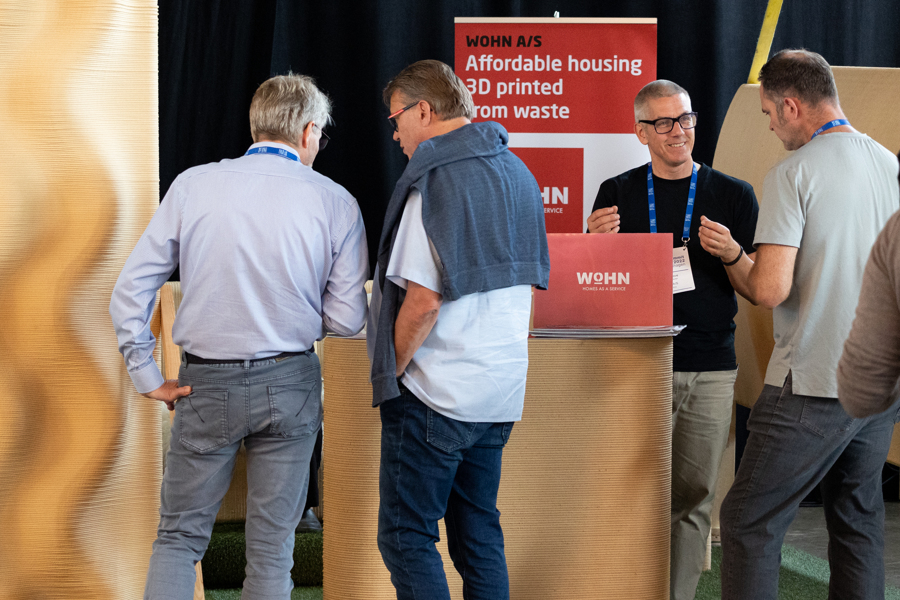
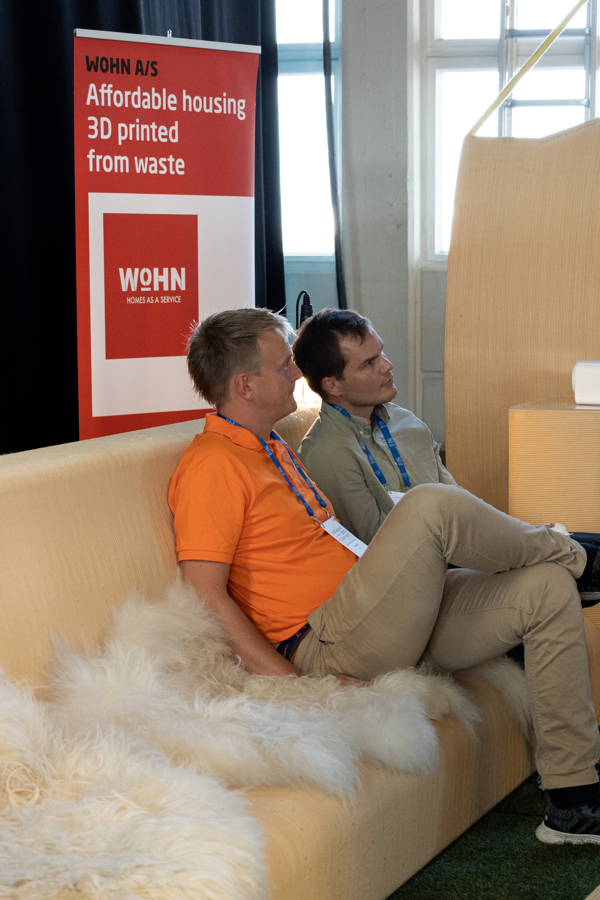
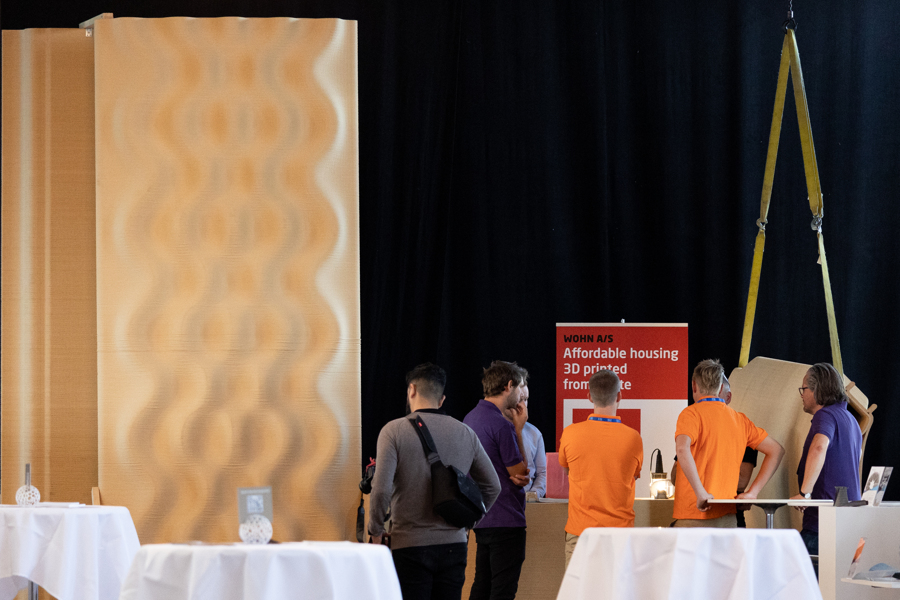
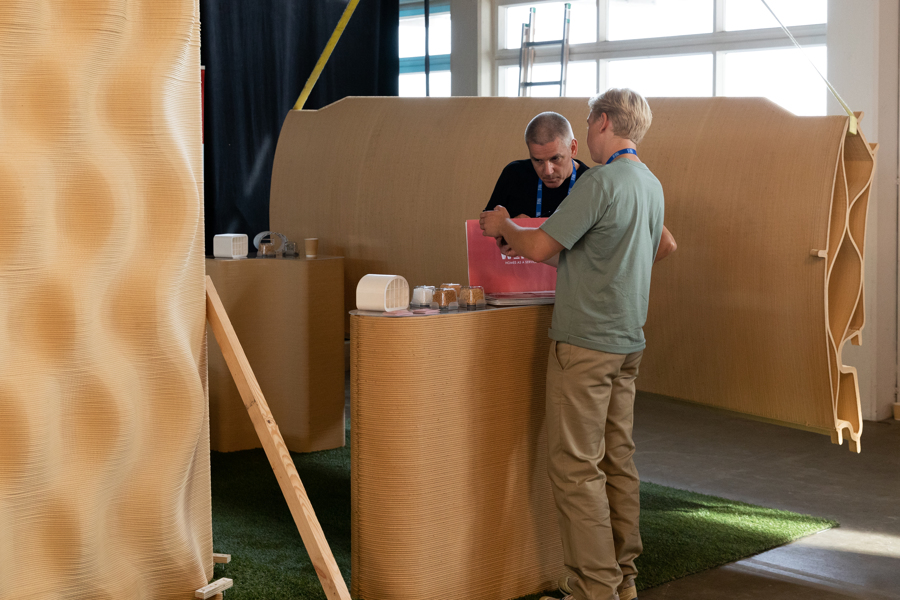
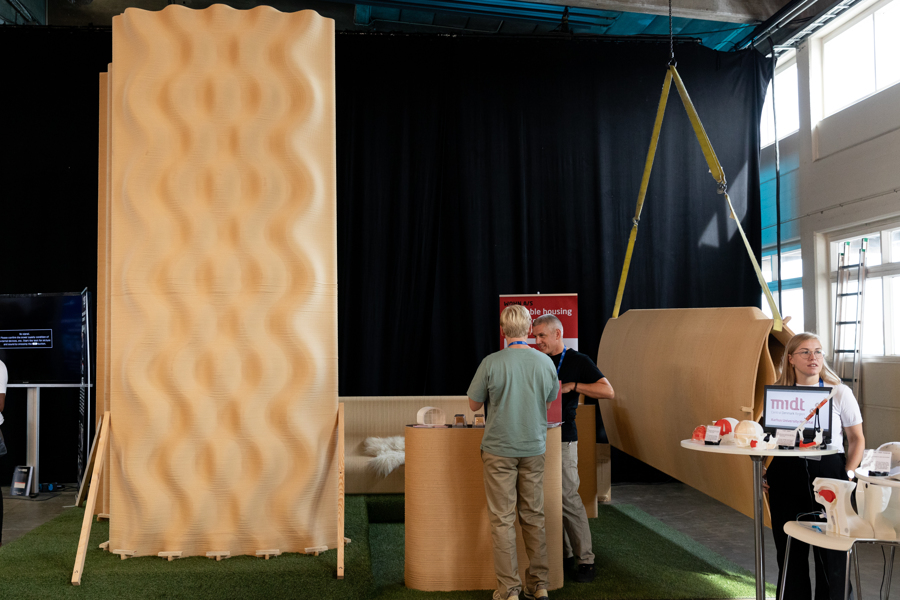
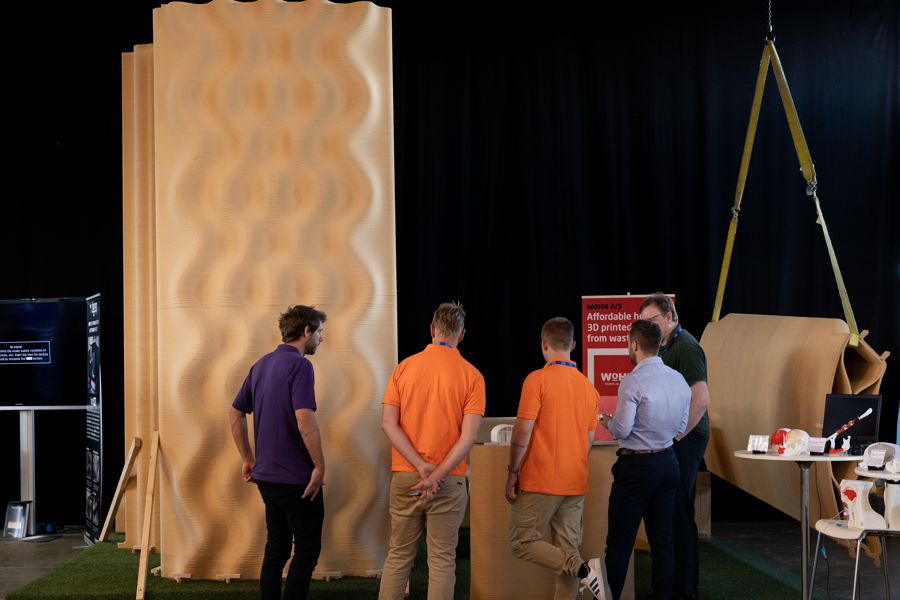
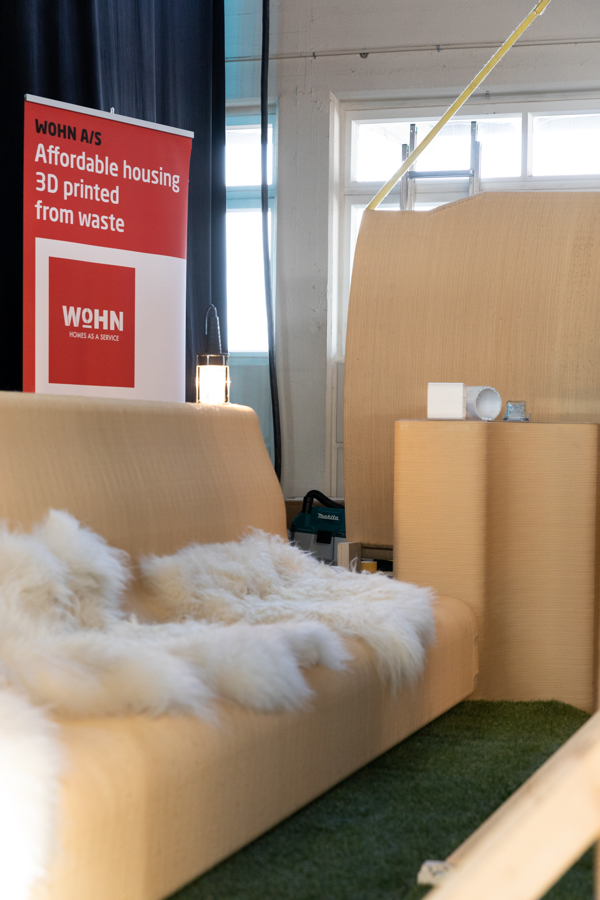
WOHN
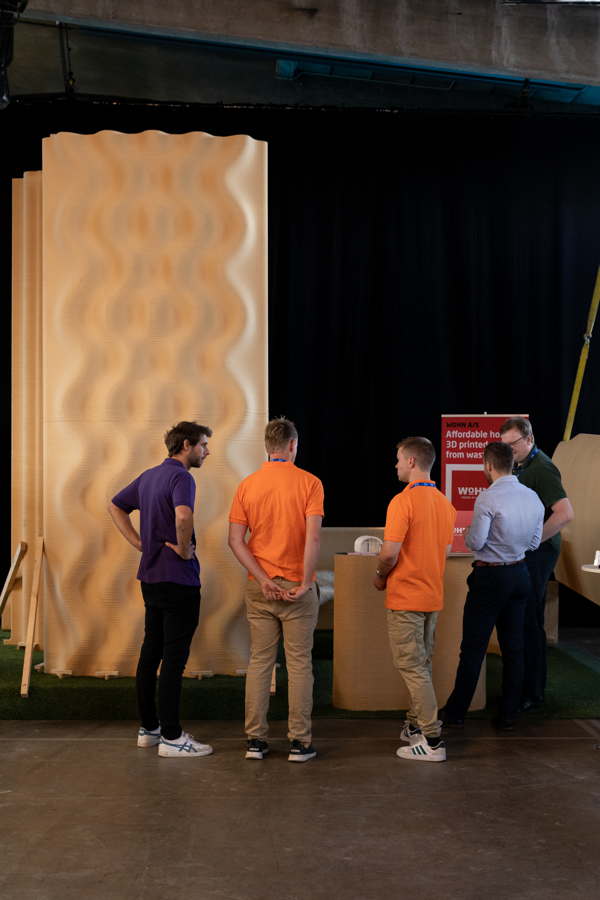
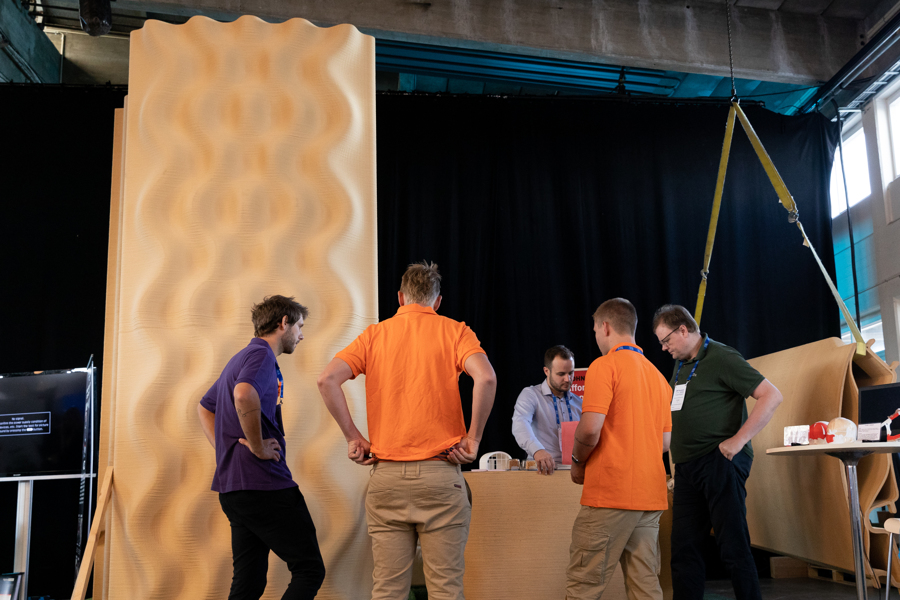
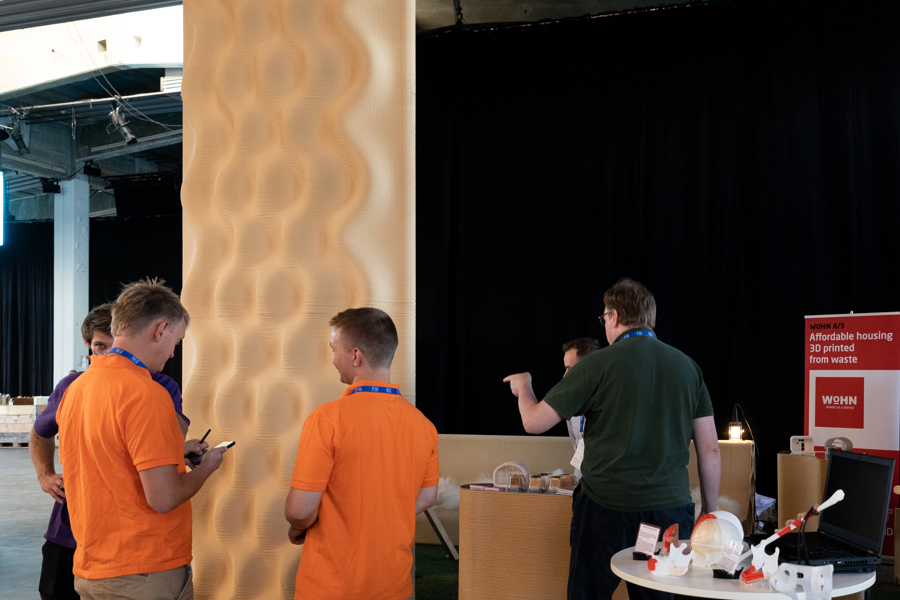
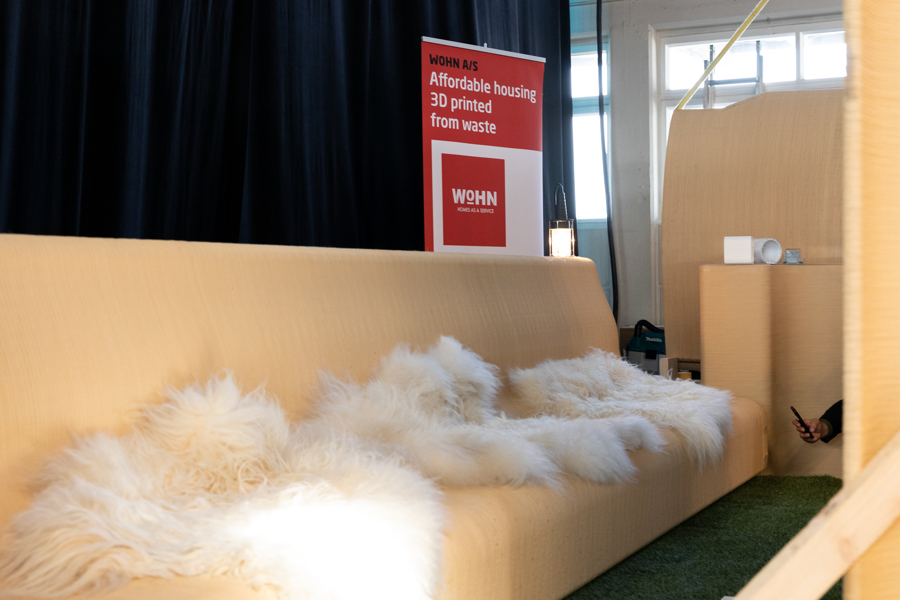
Lostboylab
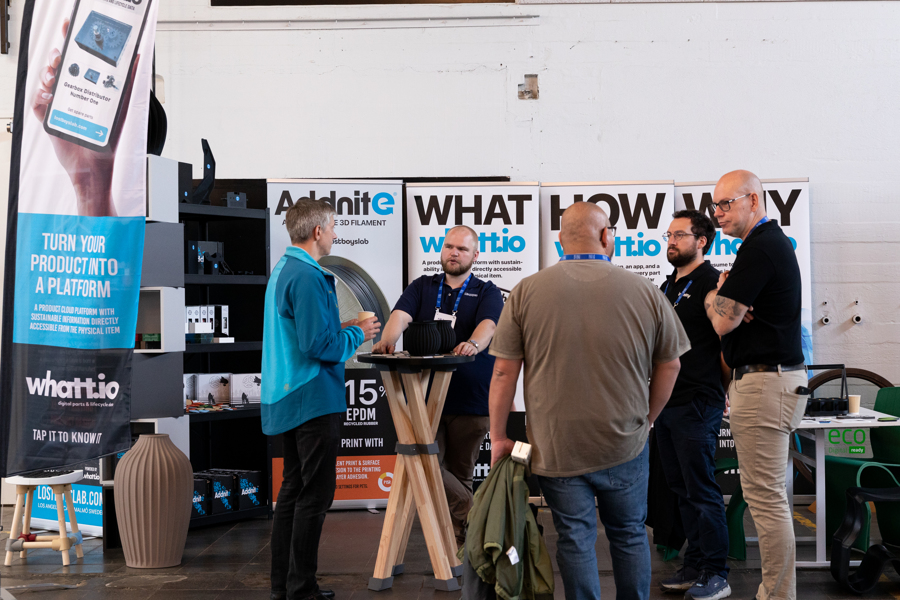
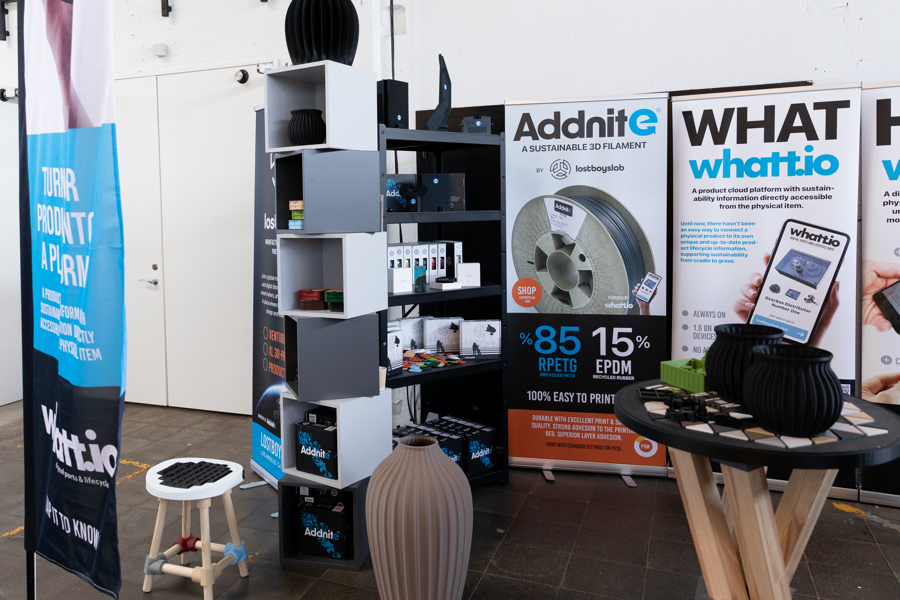
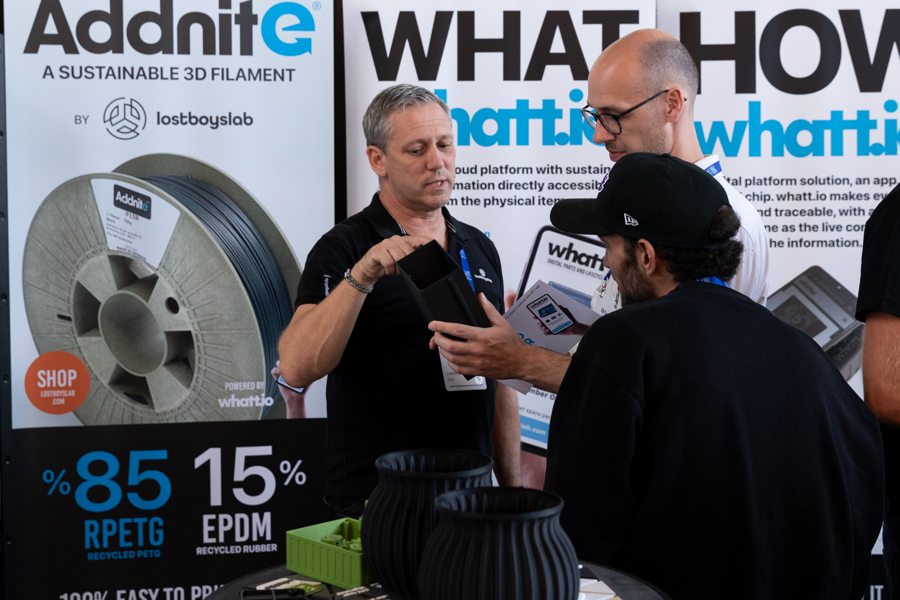
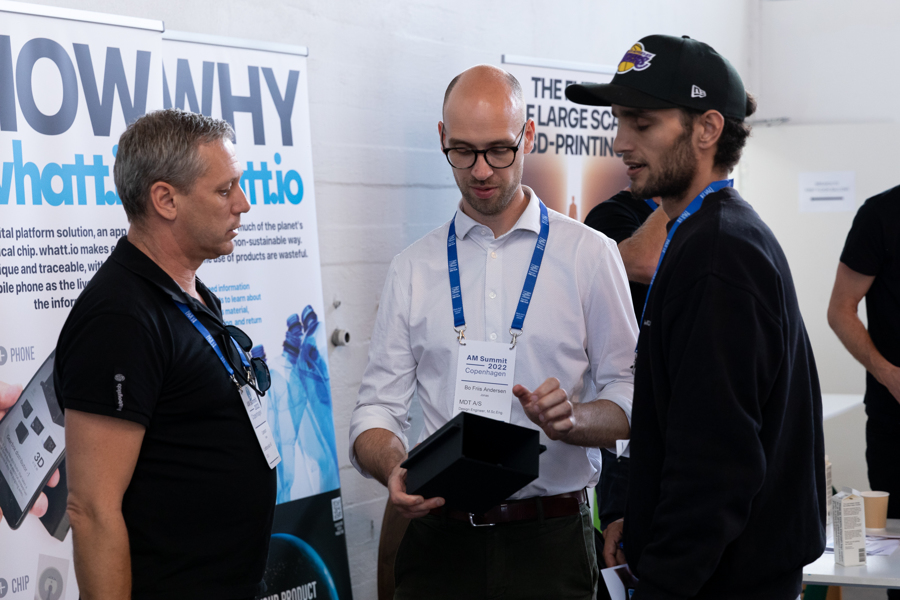
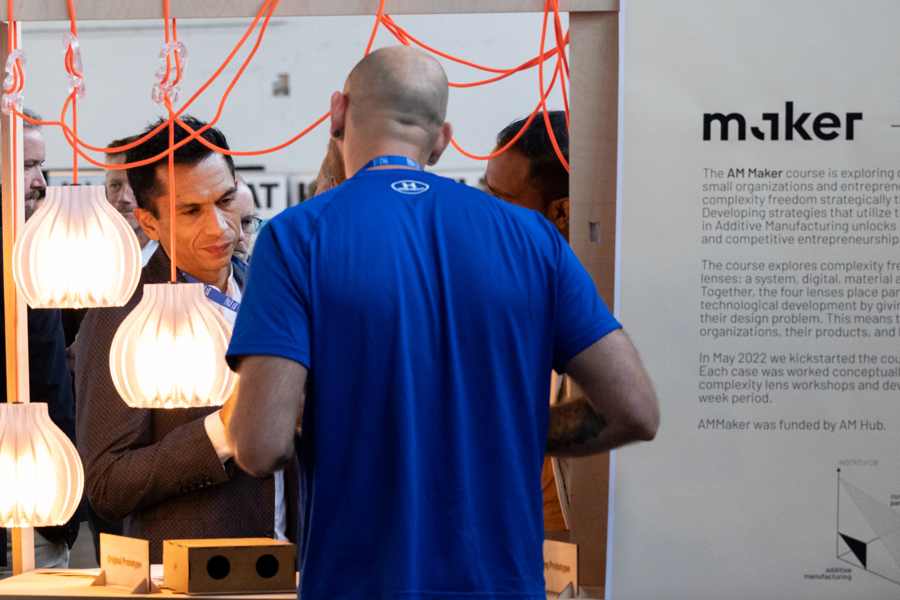
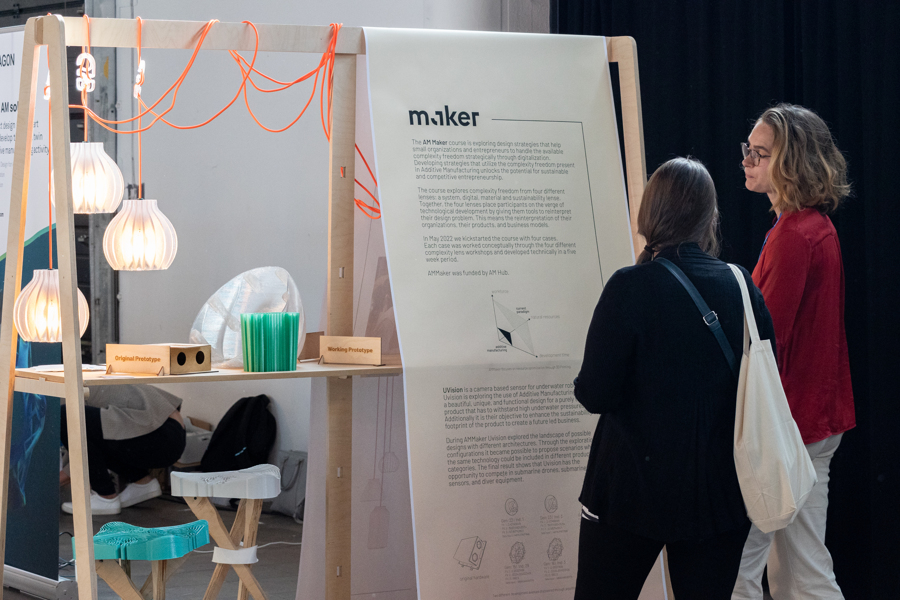
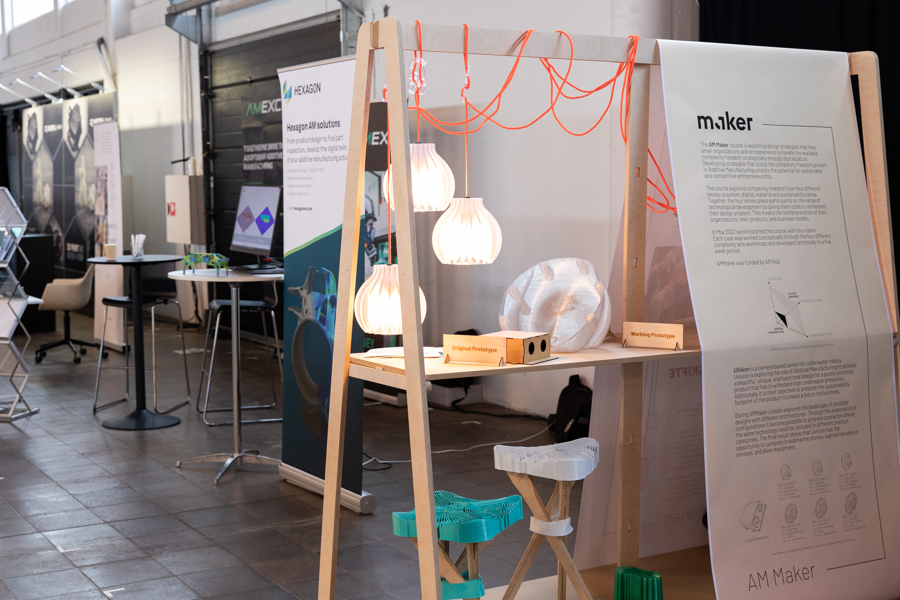
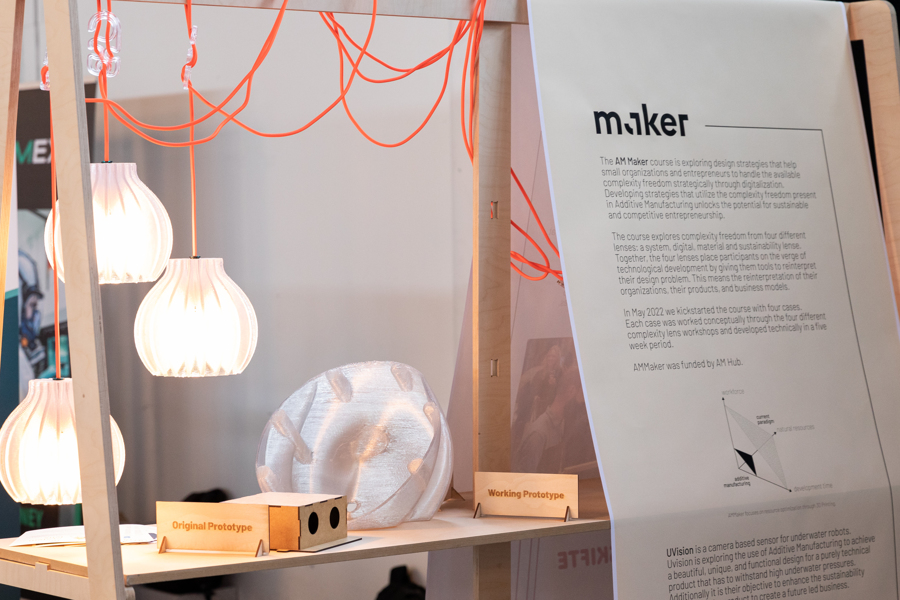
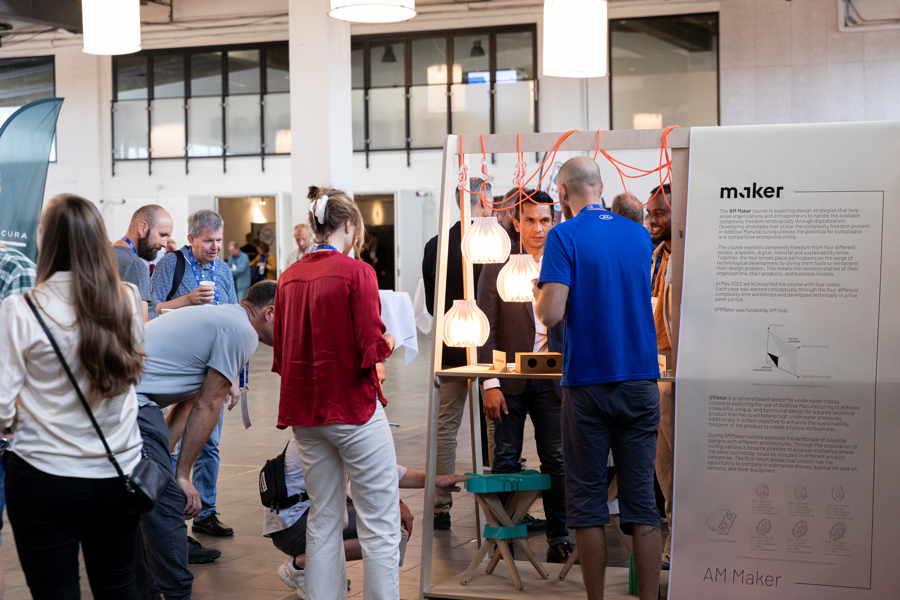
Maker
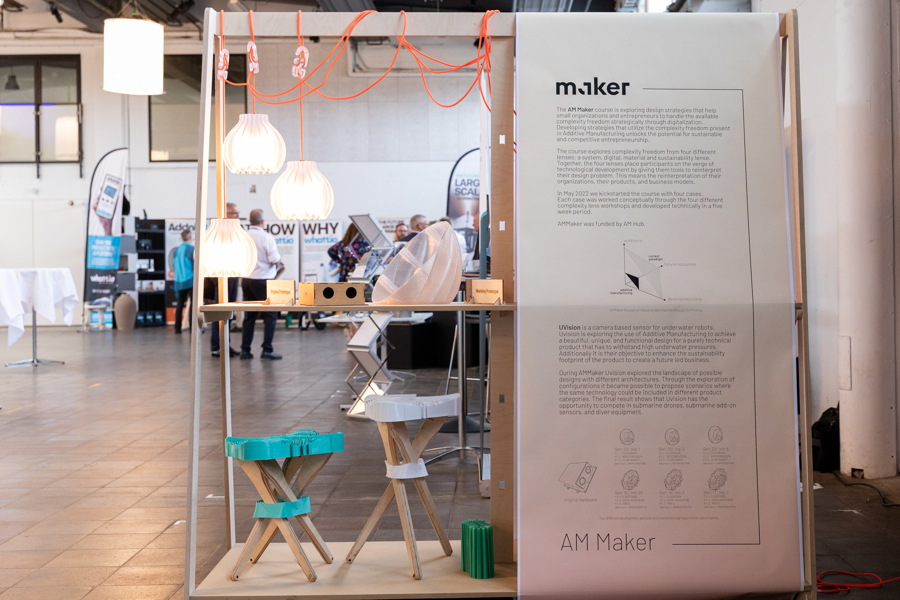
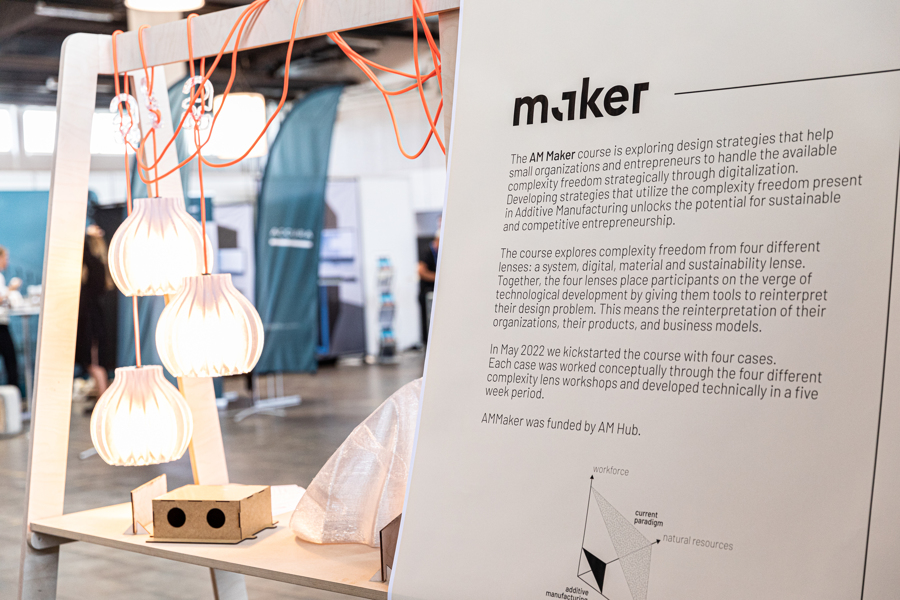
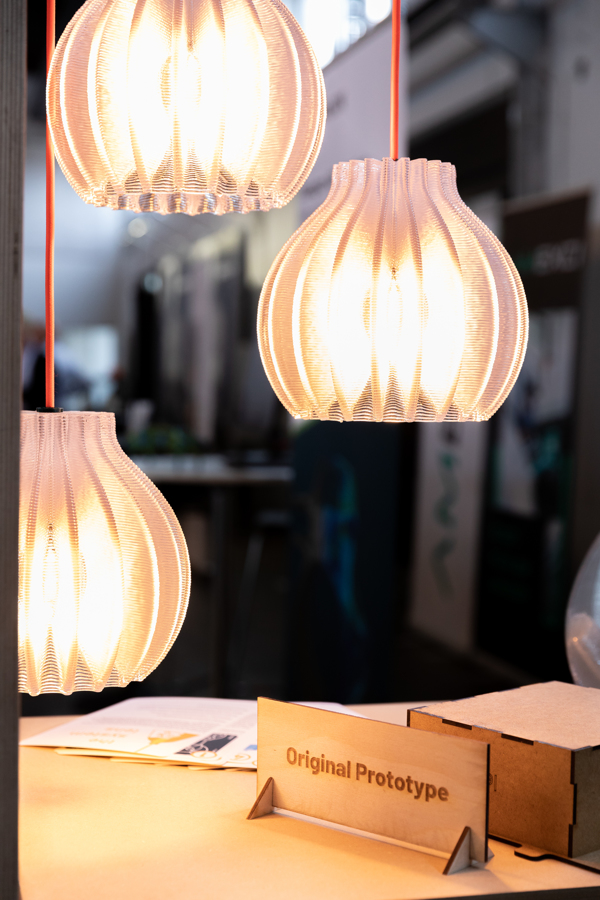
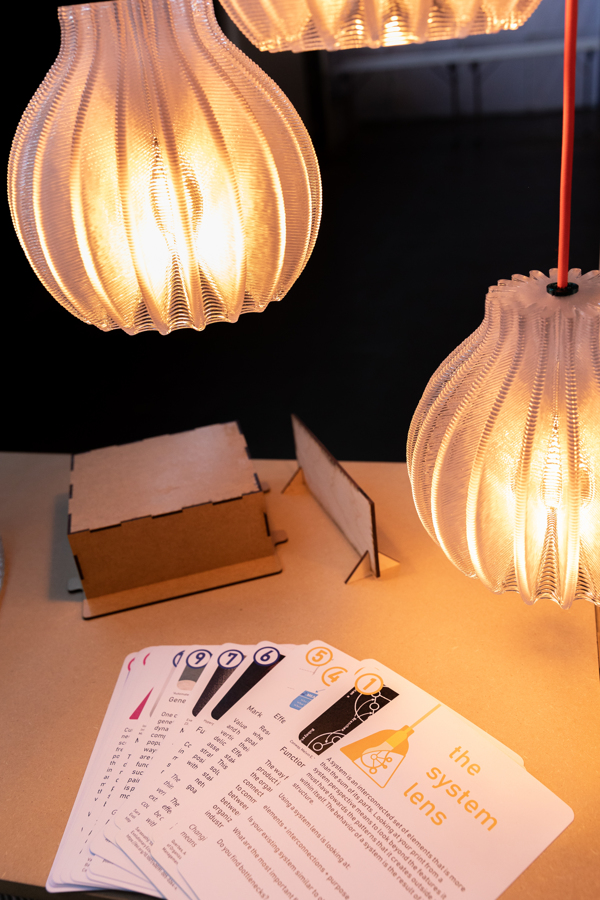
MTD Flexible Products
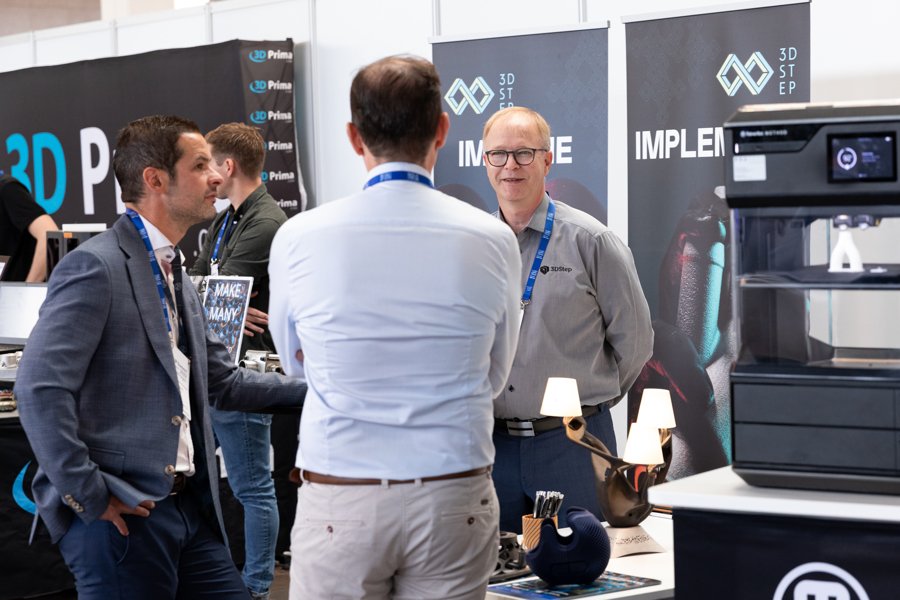
3DStep
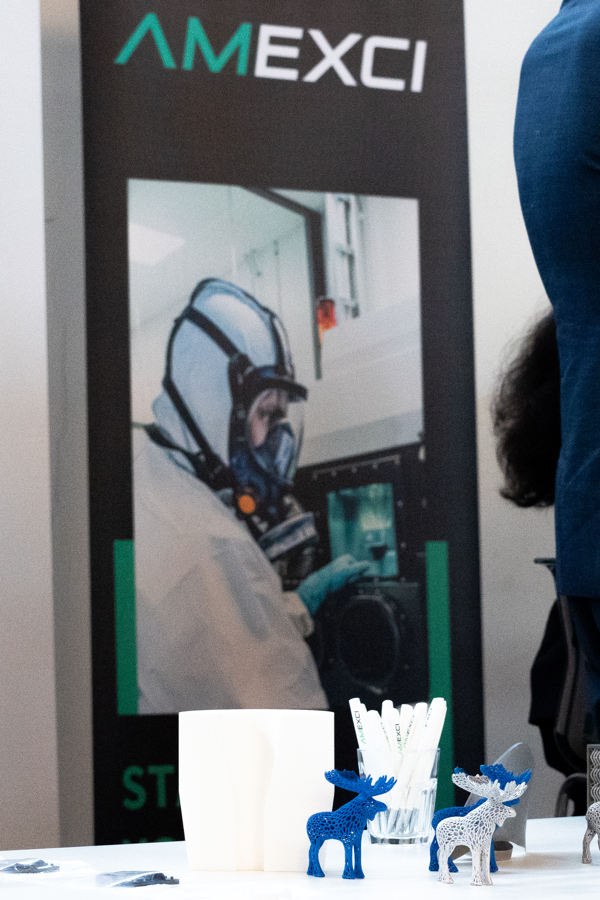
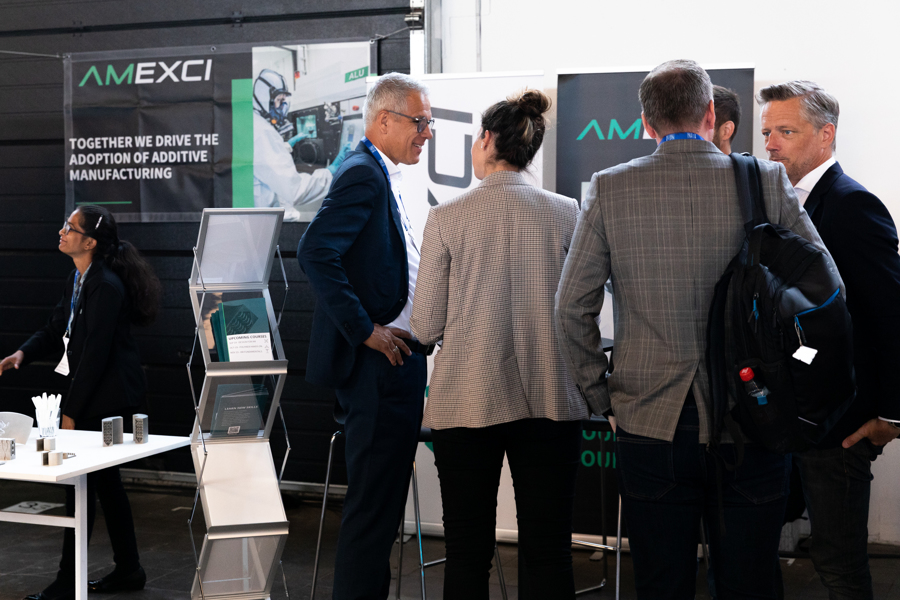
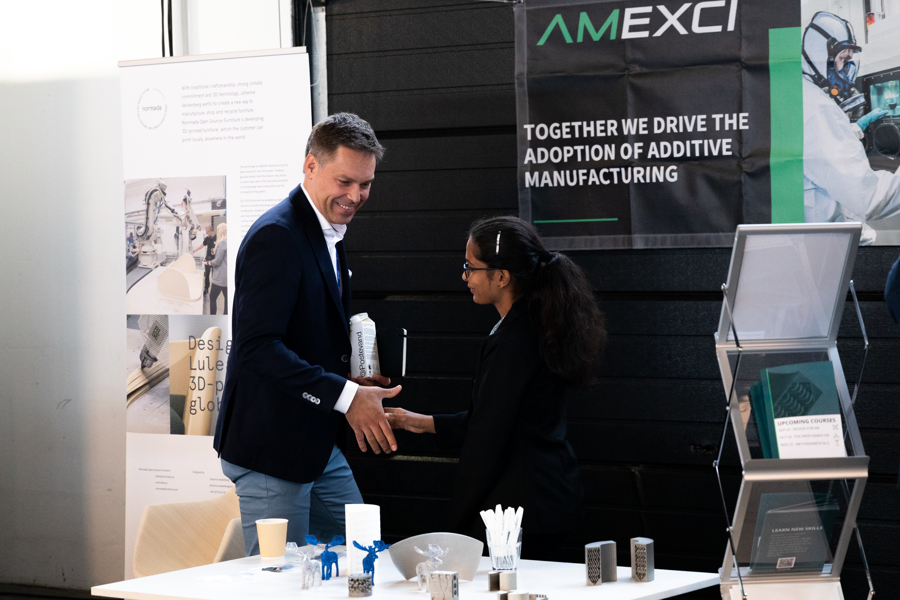
Amexci
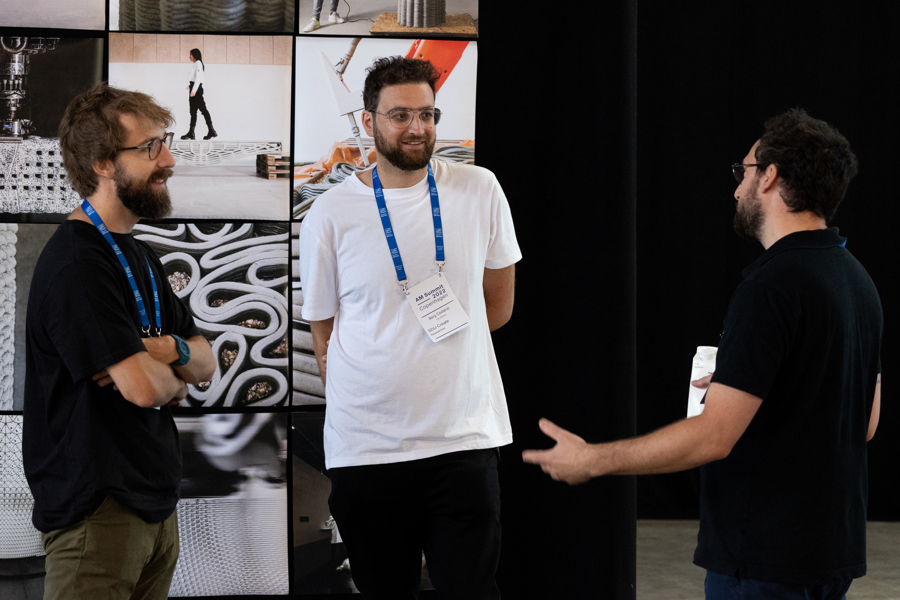
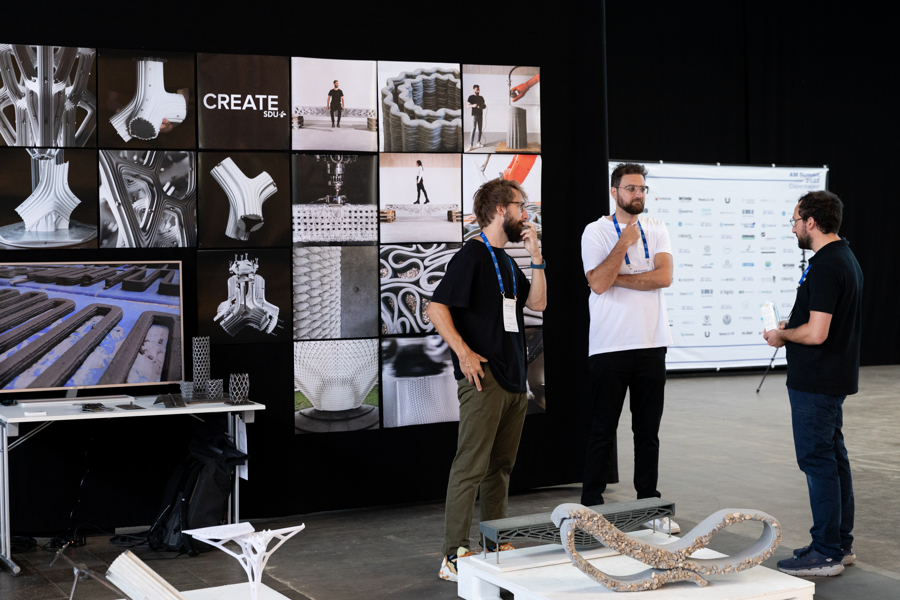
SDU
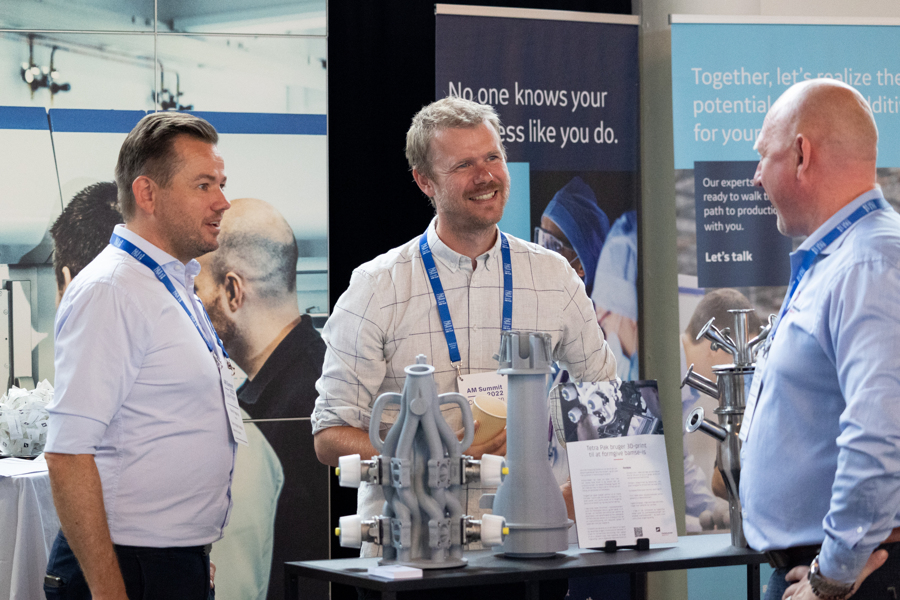
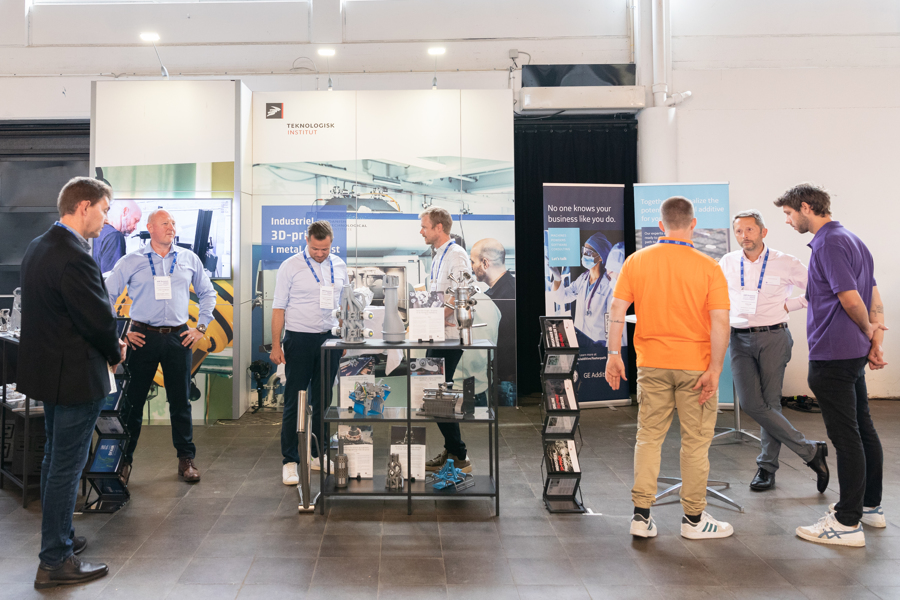
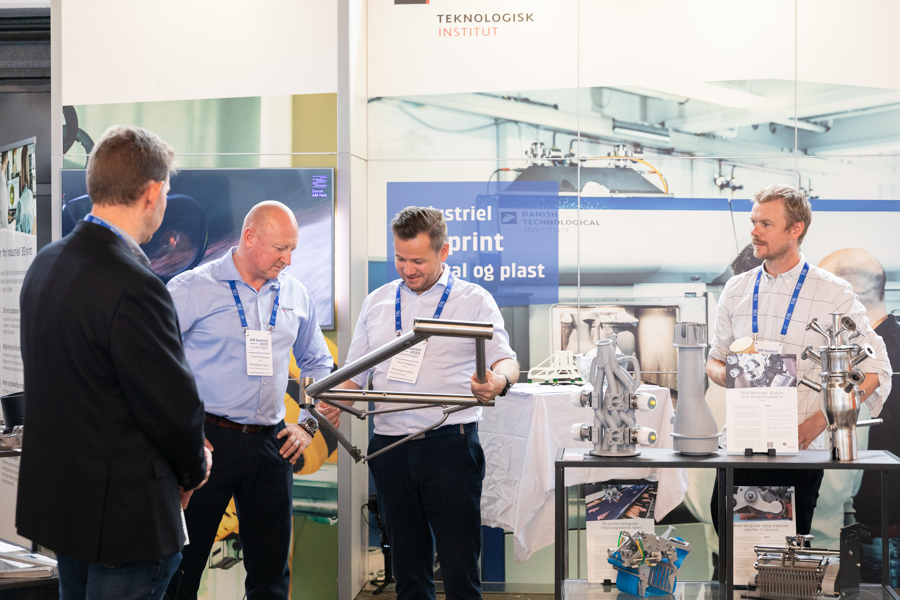
Danish Technological Institute
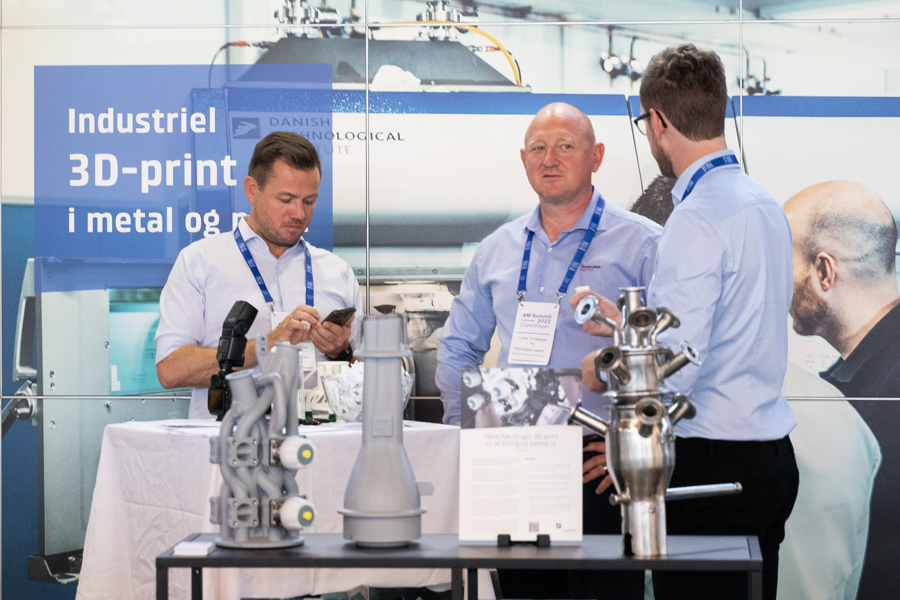
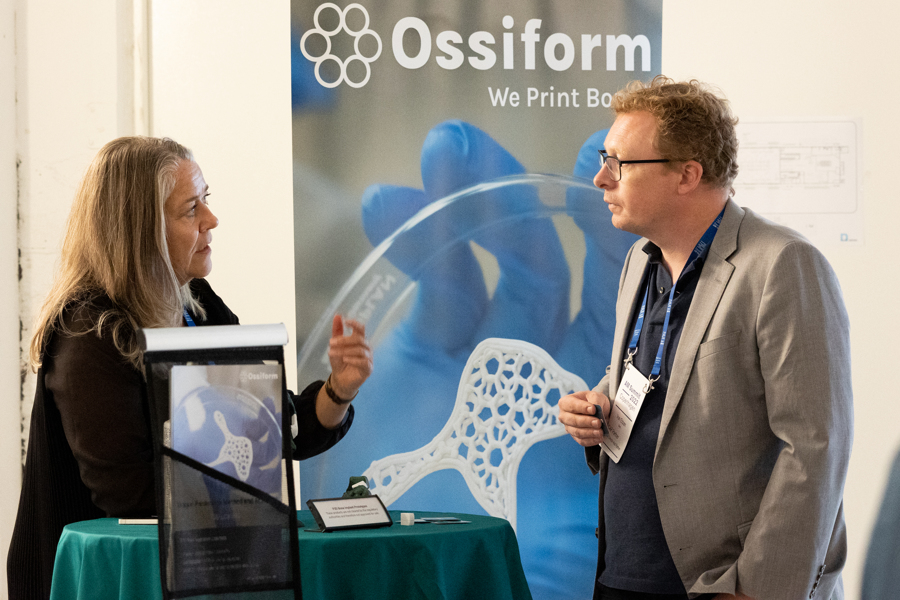
Ossiform
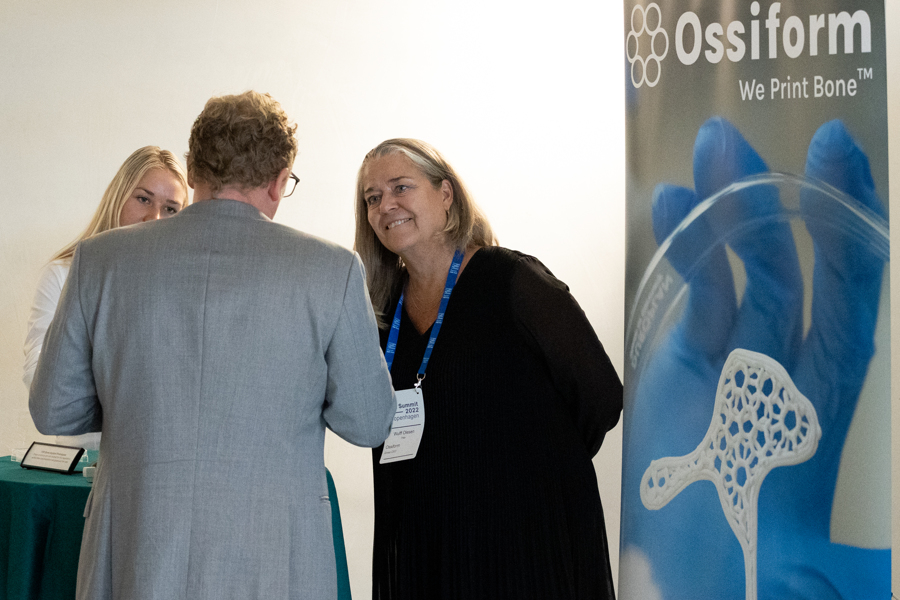
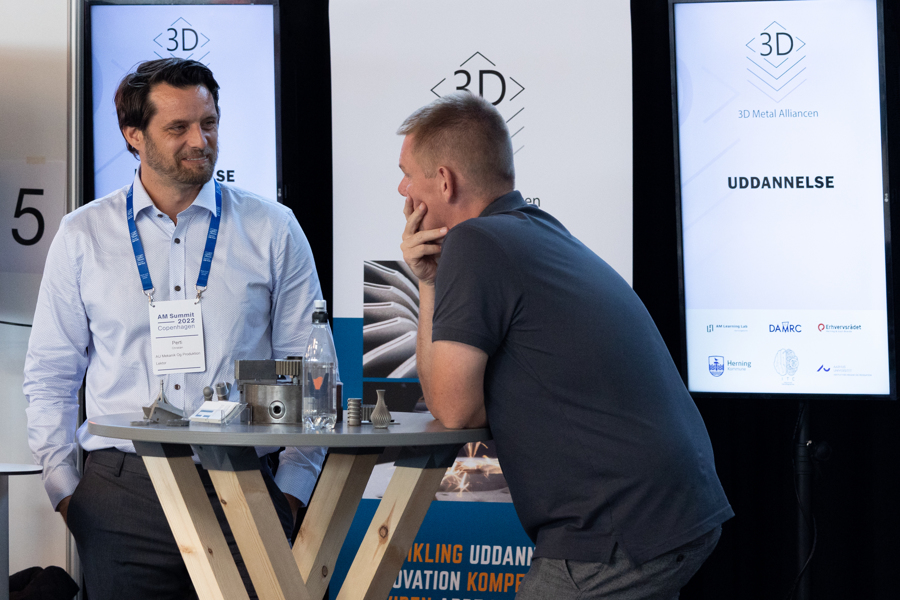
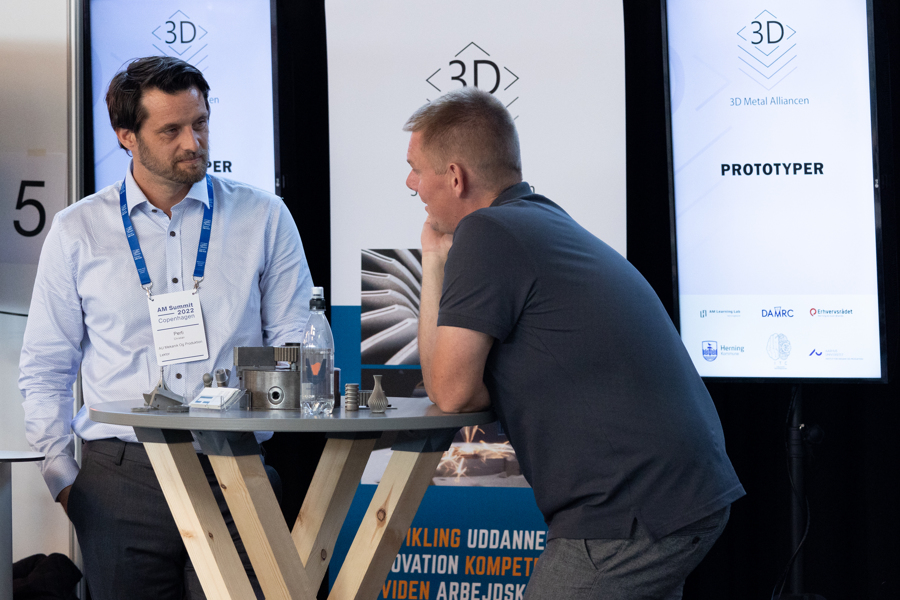
3D Metal Alliance
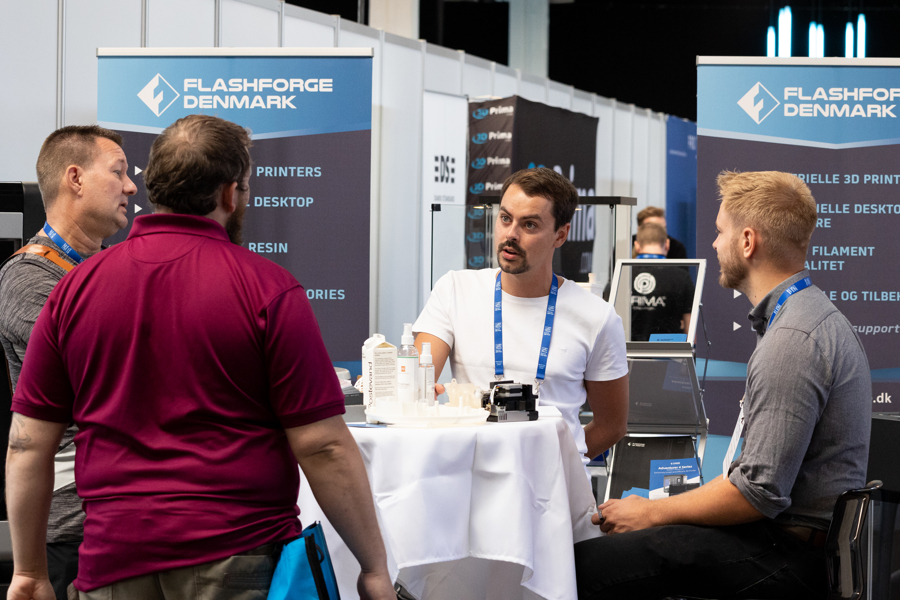
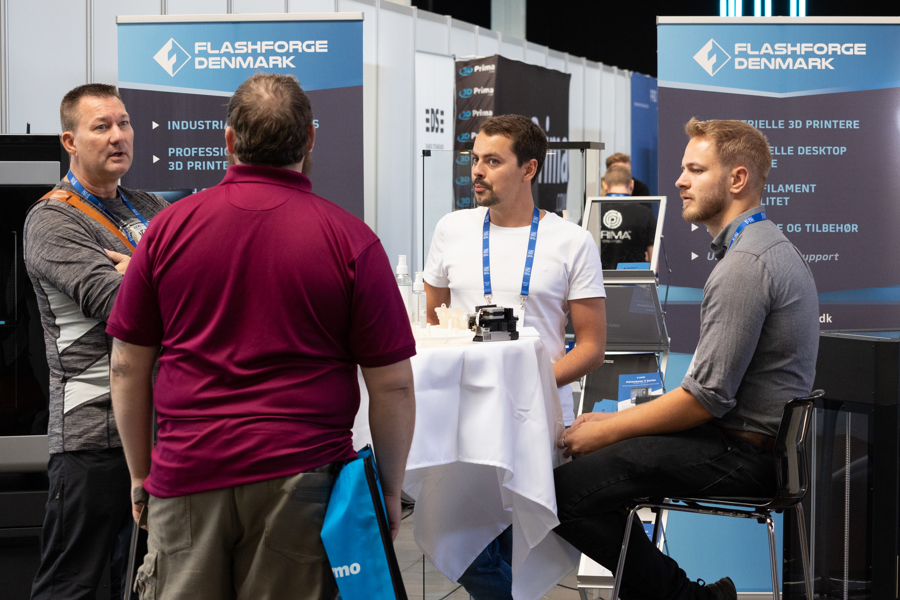
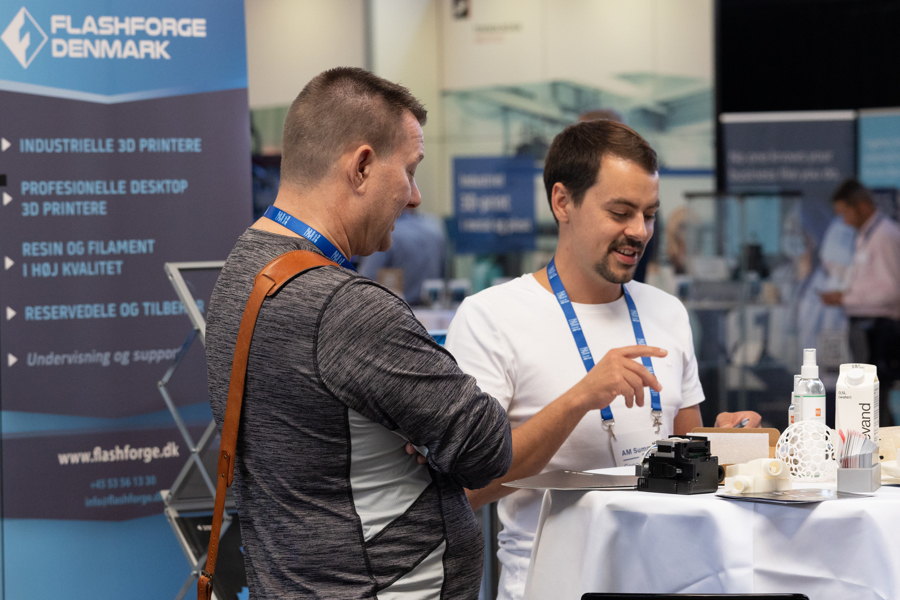
FlashForge
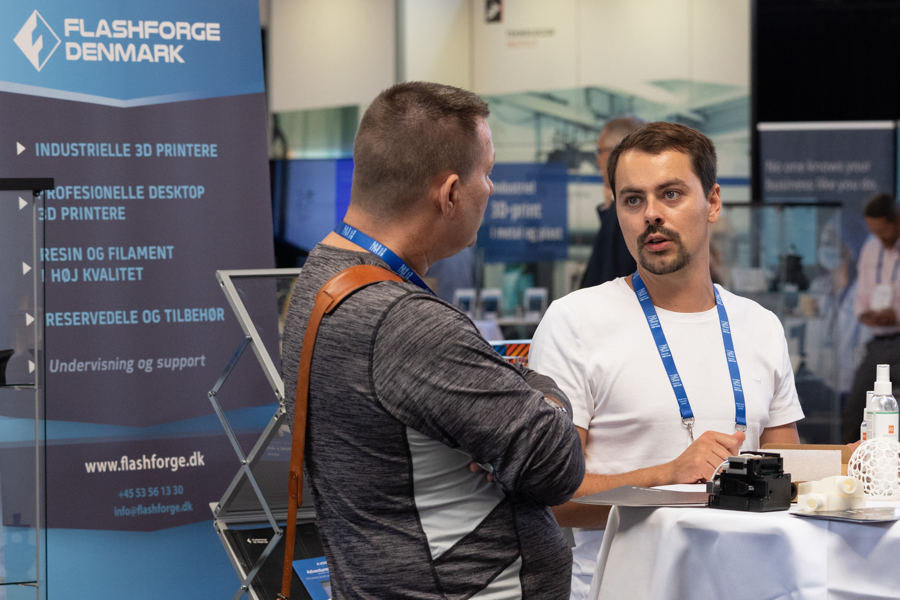
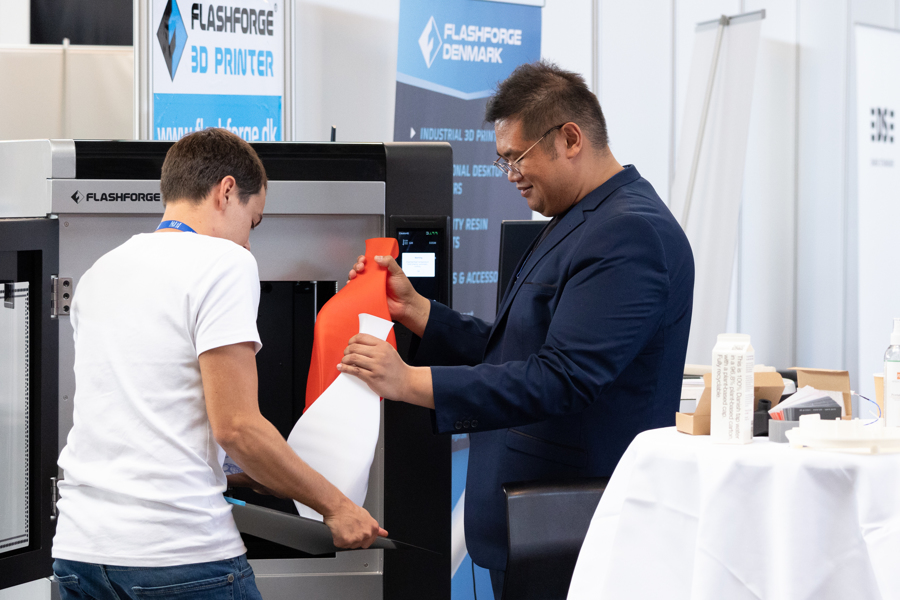
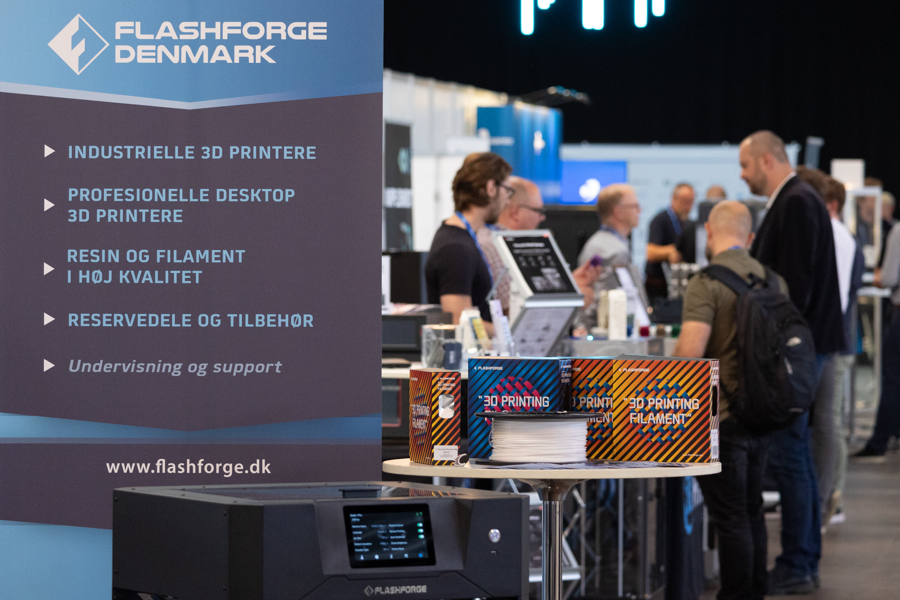
Accura
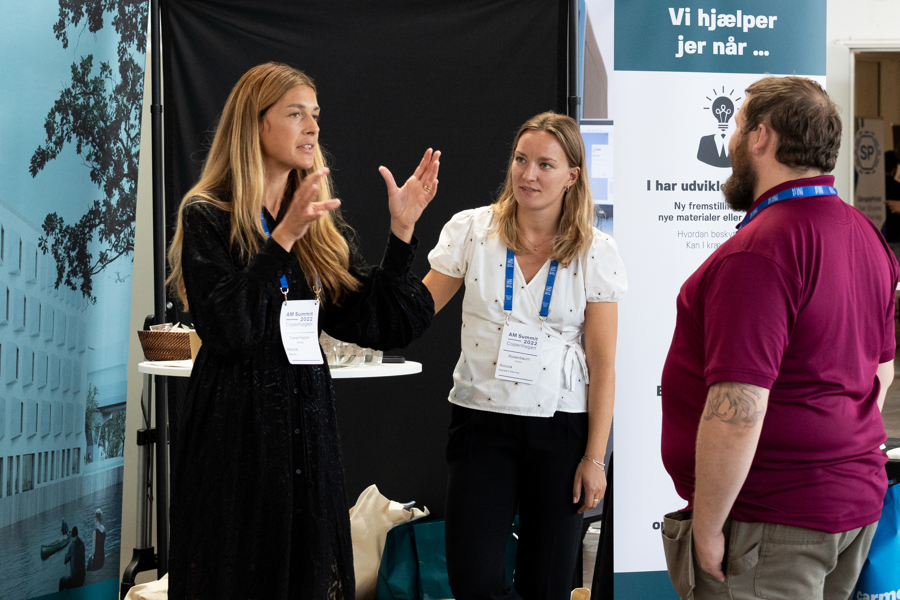
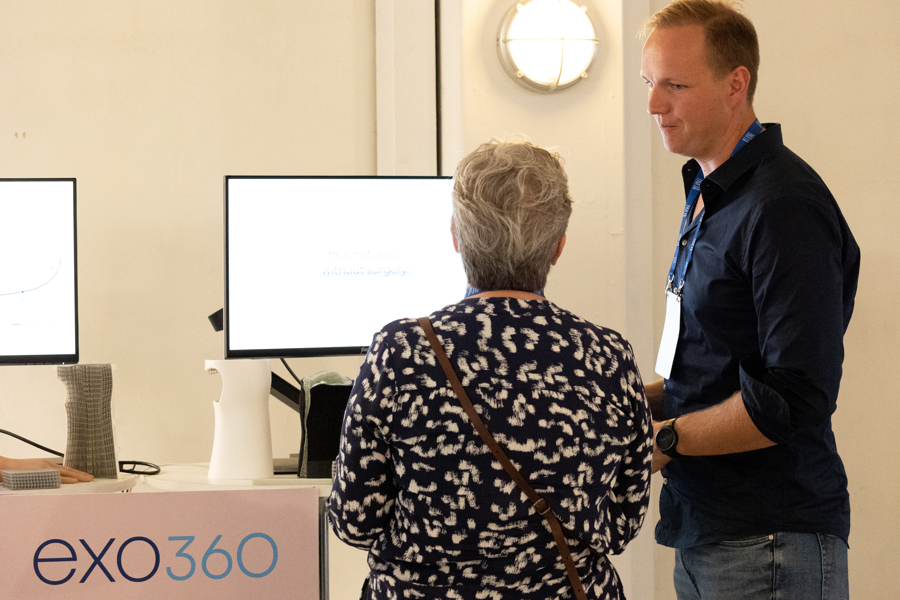
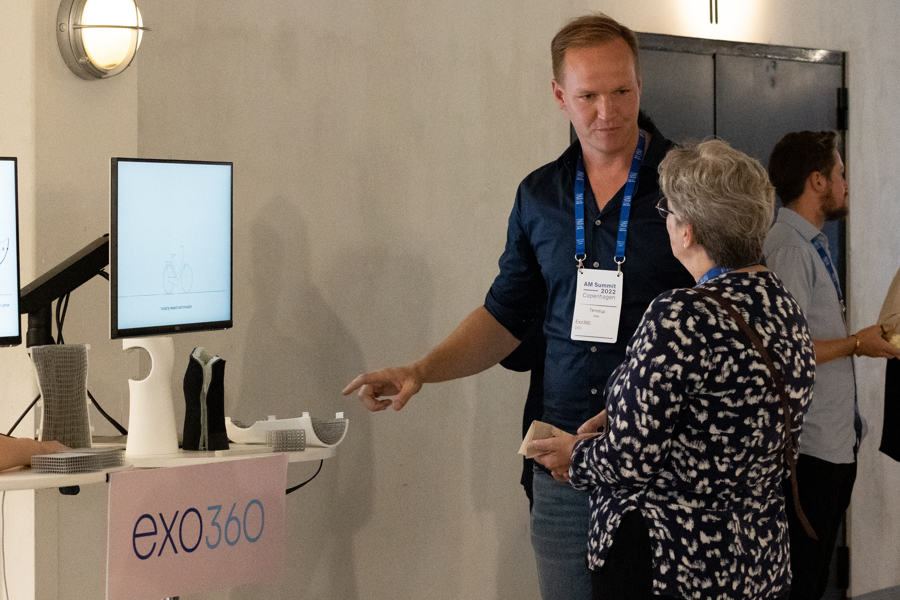
Exo 360
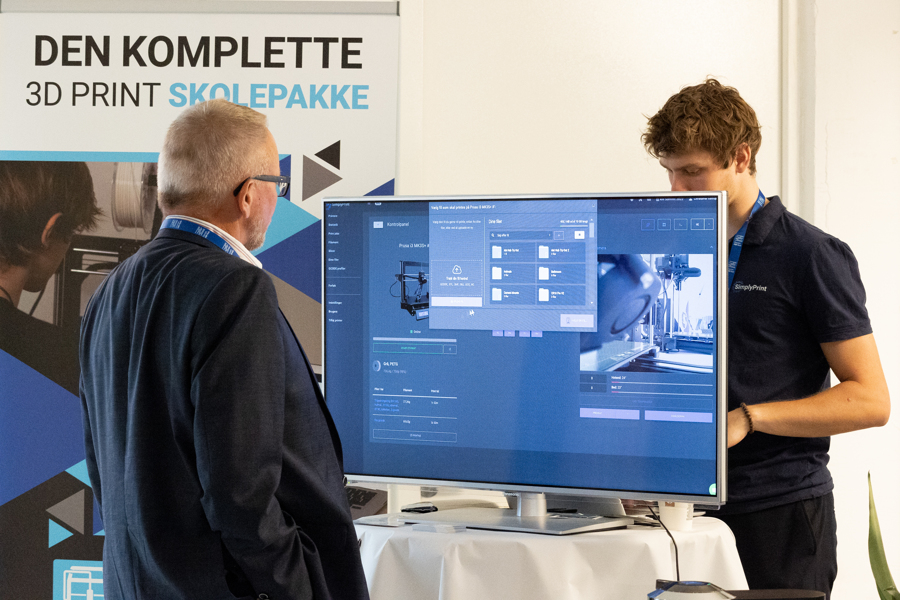
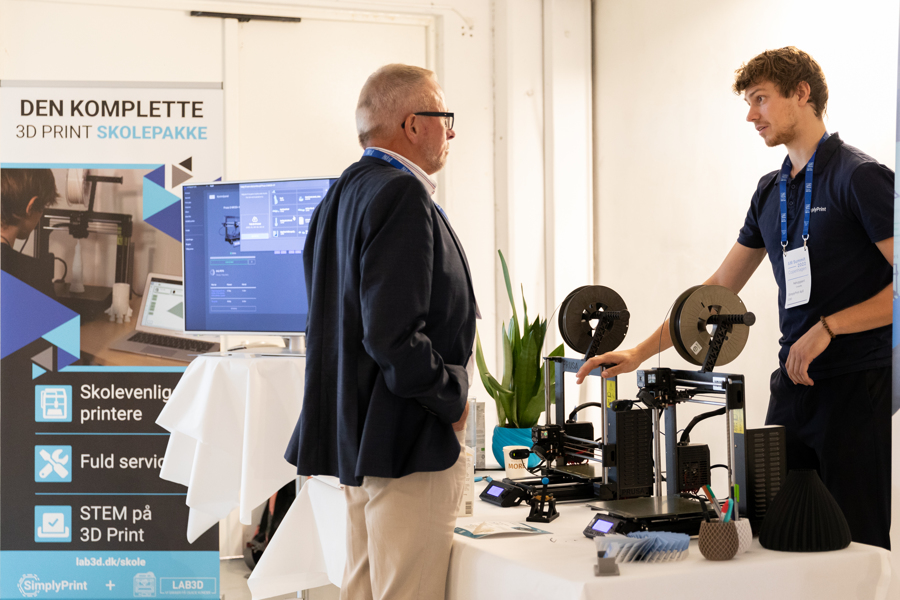
Simply Print
Quantica
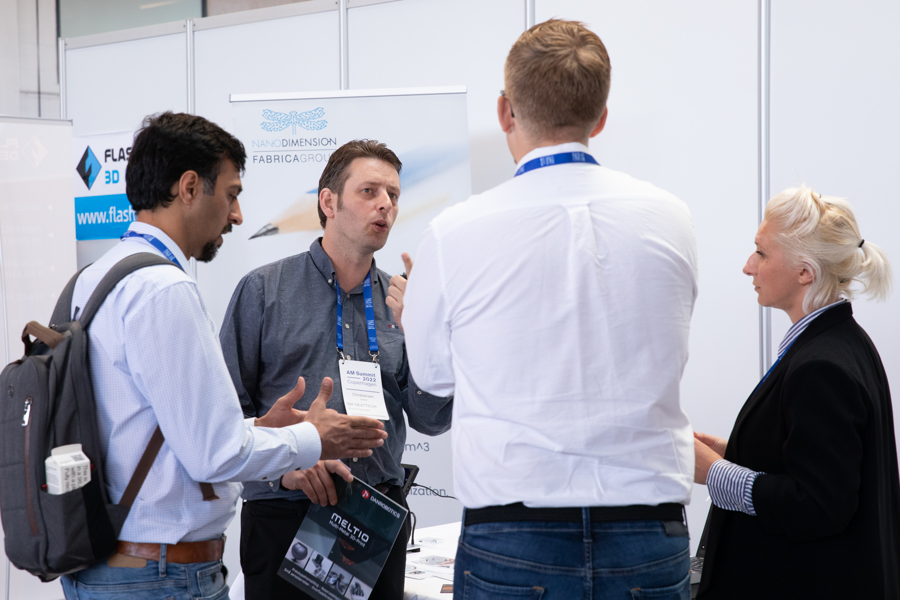
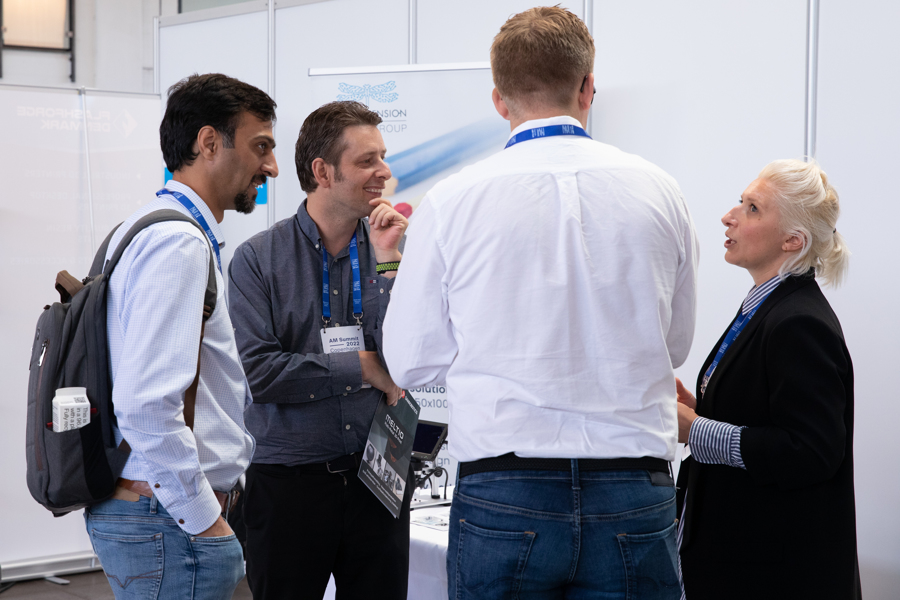
Nano Dimension
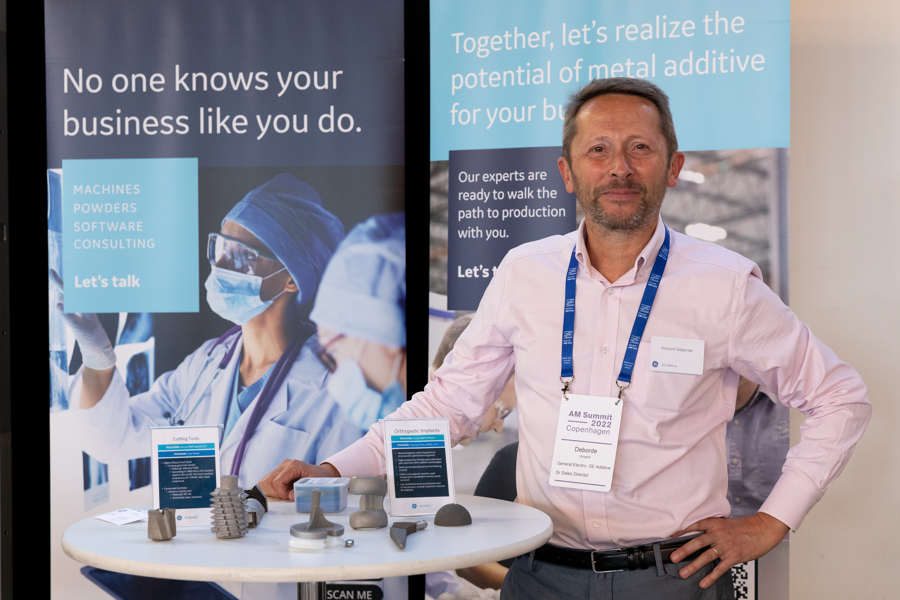
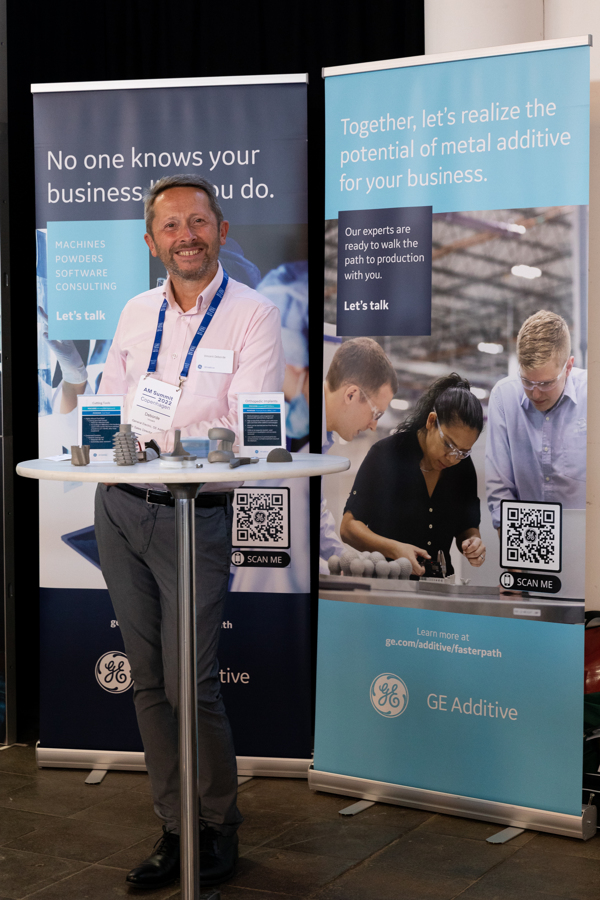
GE Additive
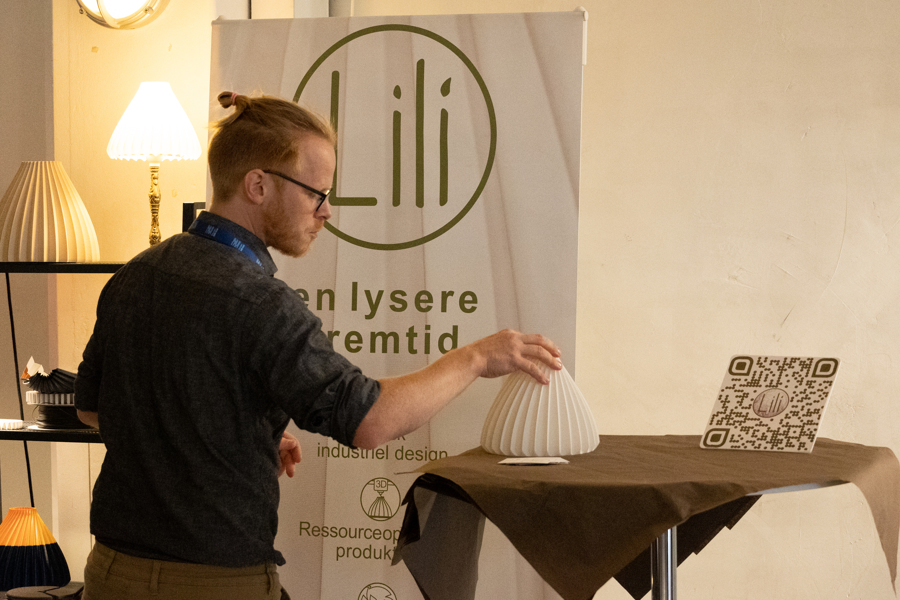
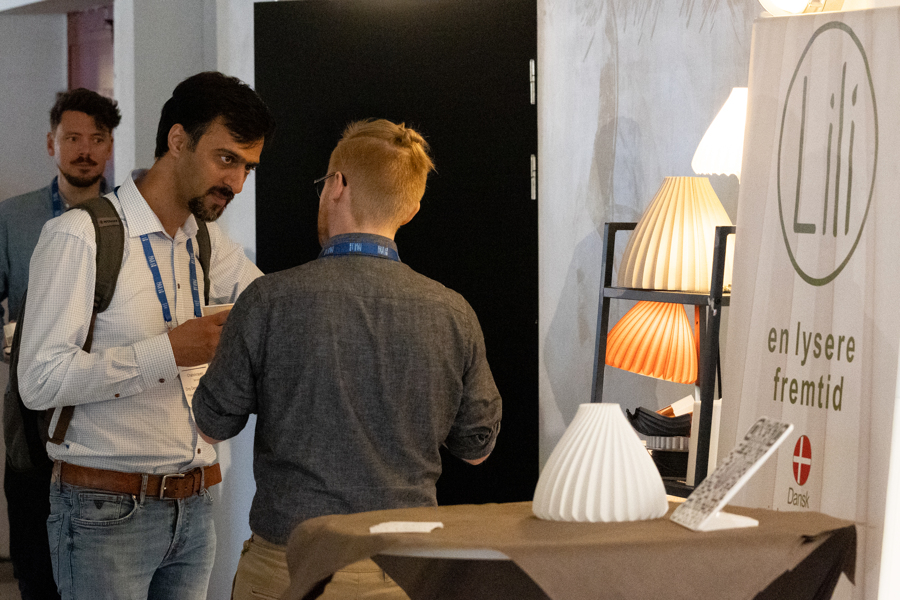
Lili Lamps
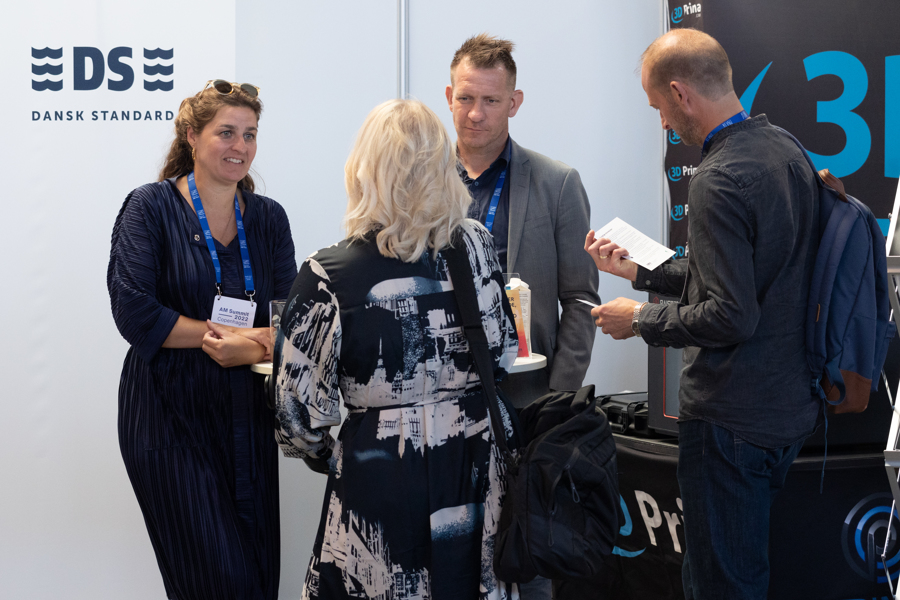
Danish Standards
3D-printed designs put companies’ products on a diet
3D-printed designs put companies’ products on a diet
During 2022, 15 Danish companies worked to redesign a product or component using 3D printing through Dansk AM Hub’s innovation programme: Design for Additive Manufacturing (DfAM). Of these, 11 companies had a ‘before component’ that made it possible to compare with the redesigned component, and in ten of these cases it was possible to reduce weight by between 43% and 96%.
Specifically in the DfAM project, the aim has been to design participants’ components or products better or differently so they can be manufactured using less material, with greater strength, and optimised with new or improved functionality and efficiency. All with the purpose of creating more sustainable products and components.
– At Dansk AM Hub, we have been monitoring how DfAM as a method has gained traction in major industries abroad such as the aerospace, automotive and defence industries. Unfortunately, there have been few strong Danish experiences, but we have now changed that, says Frank Rosengreen Lorenzen, CEO of Dansk AM Hub:
– Because in this programme, we have made Design for Additive Manufacturing tangible for Danish manufacturing. We have succeeded in bringing together the strongest international expertise with our Danish experts and creating a process that has truly moved this field onto Danish factory floors, and Danish industry now has concrete experience to learn from.
The benefits of weight reduction have served different purposes depending on the company’s specific production and end products. For example, drone manufacturer Airflight reduced the weight of their part by 67%, enabling them to either fly longer or carry a larger payload per flight. And at BEWI, they managed to reduce the weight by up to 74%, which meant a significant reduction in material consumption—and a 53% reduction in the price of the component.
– Through the project, we achieved an 11 kg weight reduction and reduced the amount of material by 80%. The value for us is the extreme design flexibility, where we can achieve a higher strength-to-weight ratio, which is an important part of aviation, as it means we can fly for longer or with a heavier payload, says Mikkel Kærsgaard Sørensen, owner and CEO of Airflight.
And it is precisely this design freedom that is also highlighted by Ole Krebs, Development Manager at the plastics company BEWI:
– By optimising the design with 3D printing, we have first and foremost reduced the weight of the product by 74% compared to traditional tooling, but we have also improved our time-to-market, including by cutting 25% off the delivery time. This provides enormous flexibility and represents a potential where, by optimising the tool, we can offer more complex and better solutions in terms of both quality and cost, and thereby meet challenges that our machine settings cannot help us with. In addition, we see signs that the optimised component can increase our production capacity and reduce energy consumption in production if we implement it broadly—simply because it is more efficient.
After the programme, the participating companies were left with a physically redesigned component or product in which one or more of the above-mentioned benefits have been incorporated. In addition to weight reduction, DfAM has also delivered a range of other benefits such as reduced production costs, reduced time-to-market, part consolidation, greater design freedom and increased component strength.
In this way, participants have gained added value and knowledge that can be anchored locally in their production.
About the DfAM programme
The purpose of the DfAM project has been to raise awareness of 3D printing and DfAM and enable Danish companies to leverage the technical and business opportunities provided by AM technology.
Traditionally, 3D printing has been used to produce prototypes, but the technology also offers a wide range of other possibilities. 3D printing can also be used advantageously for, for example, pilot and small-batch production, and the manufacture of fixtures and auxiliary tools, injection moulding tools, and spare parts.
Read more about the programme here.
Facts:
- The DfAM innovation programme aims to strengthen companies so they can benefit even more from the technological and business potential within 3D printing.
- Apart from a single case with a weight increase, component weight was reduced by between 43% and 96% across the ten cases.
- The project was initiated by Dansk AM Hub in collaboration with the partners Danish Technological Institute, PLM Group, Hexagon and Wikifactory.
Meet the companies from the DfAM programme 2022:
BEWI achieved a lower price, shorter delivery time and increased efficiency with 3D-printed designs
3D printing design programme optimises work gloves for super strength
3D printing gave Newtec’s camera component greater strength and lower weight
Linatech: “The design freedom of 3D printing is brilliant”
3D-printed design enables a drone to fly longer and lift heavier loads
3D printing design programme accelerated development at CeramicSpeed
With 3D printing, the violin plays better and more sustainably
3D-printed designs resonate strongly at Scan-Speak
BenBen hand-builds better bikes with 3D-printed components
Designing with 3D printing delivers more efficient washing robots at Washpower
Serman & Tipsmark optimises a key for hydraulic equipment: Saves time, material and money
With 3D printing, there is a tailwind for material waste and carbon footprint
And find many more strong cases in our case archive.
Strong interest in this year’s AM Venture Day
Strong interest in this year’s AM Venture Day
On Thursday, 15 September, Dansk AM Hub, in collaboration with AM Ventures and Hello Tomorrow, held its annual AM Venture Day—an event where we bring together the most innovative startups in 3D printing/AM and match them with leading investors. This year, it took place as part of TechBBQ at Lokomotivværkstedet—the largest tech startup and investor conference in the Nordics.
The format was designed so that both parties could get to know each other better and leave with new knowledge and inspiration. Therefore, this year we introduced a new format, where both startups and investors were invited on stage to deliver a short pitch in front of the audience. This contributed to an energetic atmosphere, as well as a curiosity that laid the foundation for many good conversations and new contacts afterwards, when there was time to network.
AM Venture Day 2022 was a clear sign that the AM startup ecosystem in Denmark is thriving, with as many as 15 startups and 9 VCs participating on the day. This is a major contrast to the same event last year, when we welcomed 5 startups, which testifies to the growing interest in—and support for—this year’s event. At Dansk AM Hub, our ambition is not for Denmark to compete with companies the size of those in, for example, Germany and the USA; instead, we have a vision of making Denmark a global leader in applying AM.
This starts with entrepreneurs, and therefore the increasing participation of startups—as well as investors—is a sign that more and more entrepreneurs have become aware of a technology that can help ensure the green transition in our production. At the same time, it is also a sign that Denmark has an innovation environment on a par with the countries around us.
Every other company continues using AM technology after a 3D printing hybrid programme
Every other company continues using AM technology after a 3D printing hybrid programme
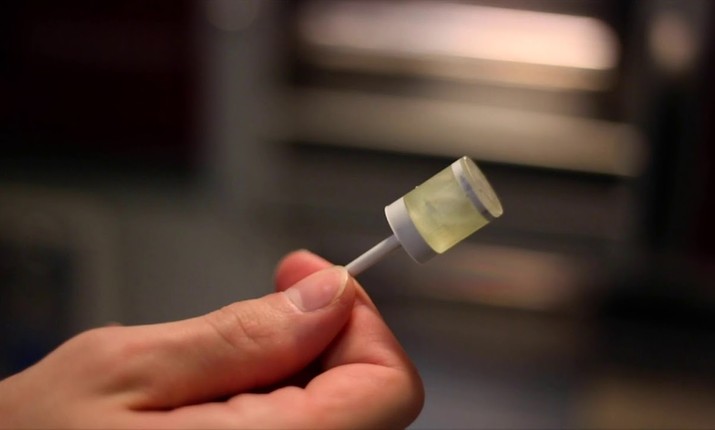
Once companies have experienced the significant opportunities of hybrid manufacturing with 3D printing, many continue to explore its potential. After the third round of Dansk AM Hub’s Hybrid programme, six out of 11 companies have started using hybrid technology in their production.
AM Hybrid is an innovation programme designed to help manufacturing companies streamline and optimise the product development phase through hybrid manufacturing, combining injection moulding and 3D printing. In 2022, the programme was delivered in collaboration with Krebs & Co and Davinci.
Each company worked on a new product idea or prototype. Throughout the project, they develop, design, and produce this very idea, meaning that by the end of the programme, companies can have a finished prototype. Hybrid manufacturing offers great flexibility in terms of various design iterations. The programme therefore also includes a period in which participants can further develop their prototype, test it with their target group, and then fine-tune it.
The companies particularly highlight that they gain the opportunity to optimise their product development, and several continue with the technology to keep benefiting from the advantages of hybrid manufacturing—for example, reduced development time and therefore also reduced development costs, which manufacturing companies achieve by using hybrid manufacturing.
In 2022, there was an even stronger focus on knowledge sharing and learning through both workshops, tailored advice, and individual skills development. After participating in the programme, some of the companies have invested in 3D printers themselves, while others will continue the collaboration with Krebs & Co as a supplier and sparring partner.
About hybrid manufacturing: A technology with truly unique advantages
Hybrid manufacturing is an umbrella term for a range of methods that combine 3D printing and conventional manufacturing methods. The technology can have an impact in the following areas:
- Supports product development for validating the user experience
- Supports pilot production to optimise the production process—including both automated production and manual assembly operations
- Supports pilot production to optimise tool manufacturing
- Supports pilot production to increase the likelihood of attracting investors and, ultimately, securing investment
Maker programme inspires companies to adopt optimised design and production methods
Maker programme inspires companies to adopt optimised design and production methods
In 2022, Dansk AM Hub guided companies through a new project for the first time: the Maker programme. Here, four companies focused on optimising design strategies using additive manufacturing (AM) / 3D printing.
All of the companies report that their new knowledge of AM technology will lead to changes both in how they approach design and in how they manufacture their products. Two of the companies have already, shortly after the programme concluded, introduced a new approach to product development, including optimising the process from material consumption to production.
The Maker programme focuses on design optimisation, with three perspectives—system, digital and material—at its core. During the programme, Maker // Viadukten reviewed five different system perspectives with the companies, providing them with tools to work with individual products as part of larger systems, with a focus on sustainability. The companies decide what to digitalise, supported through an introduction to digital tools that complement the product design and development process. Finally, the programme focuses on printer and material options, including how plastic 3D printers can contribute to circular business models based on recycling.
By reviewing the three perspectives, the companies gain new tools to solve their design challenges, which also involves considering their organisation, products and business models. As part of the programme, the companies have access to Maker // Viadukten’s workshop and 3D printers.
Facts about the Maker programme
- The Maker programme focuses on design optimisation, with three perspectives—system, digital and material—at its core.
- In total, four companies participated in the Maker programme, including two design agencies and two start-ups, one of which is in the product development phase, while the other has progressed a little further in marketing its products.
- The programme ran from May to June.
- The programme was delivered in collaboration with Maker // Viadukten, which acted as the operator.
AM Summit 2022 breakout session: Learn from Danish AM Experts
Learn from Danish AM Experts
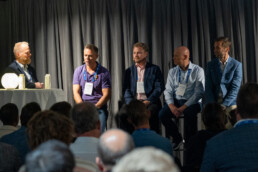
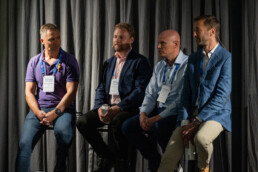
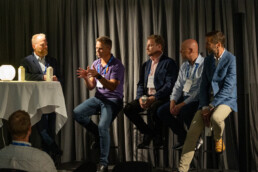
The session brought together four of Denmark’s leading frontrunners in 3D printing to share their insights into what is happening in the Danish AM landscape now and in the near future. The panel experts shared their perspectives on developments in materials, technologies and trends, and answered questions from an engaged and curious audience.
The session was moderated by Steffen H. Schmidt, CTO at Danish AM Hub. The panel participants were:
- Michel Honoré, Specialist and Project Manager, 3D Print & AM Technology, FORCE Technology
- Peter Bay, Managing Director and Owner, J. Krebs & Co.
- Sander Skovhus Michelsen, Lead Engineer, Additive Manufacturing, Grundfos
- Jesper Damvig, COO, Prototal Damvig
Where does Denmark stand in the development and use of 3D printing technology compared with the countries around us?
A key discussion is often where Denmark stands compared with larger industrial manufacturing countries. One thought-provoking answer came from Sander Michelsen, who spoke about his experience with smaller SME companies in Germany that, despite Germany’s image as a technology nation, were surprisingly behind Denmark in 3D printing. The companies at the forefront of the technology are primarily the largest manufacturing companies. Given Germany’s size, there will naturally be more cases than in Denmark. However, if we compare ourselves at SME level, Denmark performs extremely well. Denmark is particularly well positioned because we embrace the digital transition, which not many other countries do.
How can we help Danish SMEs get started with 3D printing?
In short, the answer is: “get started”. Buy or borrow a 3D printer – AM Hub lends them out free of charge. The first printer is rarely the optimal one, so it is better to buy a cheaper machine and explore what it can do, said Sander Michelsen.
Grundfos itself has invested in quite a few 3D printers, which are placed around the various departments, so there is always access to the technology.
This announcement prompted a question from the audience about what was available in terms of education. The panel offered suggestions, and AMU, Nexttech, SDU and others were mentioned, and training opportunities within the field have improved over the past couple of years.
Which 3D printing technology is best to start with?
The extrusion/filament type FDM/FFF, i.e. the “ordinary” readily available 3D printers known to most people, was the panel’s unanimous answer. It was even suggested that beginners look for models that can work with fibre-filled filament, as it increases the strength and finish of the 3D prints.
The best advice for the audience
“Find an employee who already has an interest in the topic”, “reach out across your network”, “look for training opportunities” and (fortunately) all this good advice also pointed in the direction of what AM Hub offers and stands for.
AM Summit 2022 breakout session: Meet the Women in 3D Printing
Women in 3D Printing
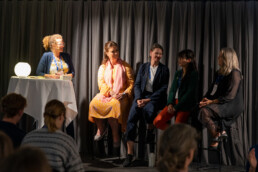
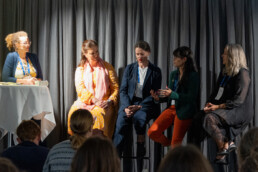
The breakout session titled ‘Women in 3D Printing’ addressed the challenges and opportunities that sustainability offers to additive manufacturing users and innovators. As reflected in the session title, there was also a focus on the experience of being a woman in what is typically a male-dominated industry. Women in 3D Printing (Wi3DP) is a global organisation dedicated to promoting, supporting, and inspiring women who use Additive Manufacturing technologies.
The session was moderated by Nora Touré, Founder and Chair of the Board at Wi3DP. The panellists were:
- Thea Wulff Olesen, Group CEO, Ossiform (formerly Particle3D)
- Stefanie Brickwede, Managing Director, Mobility Goes Additive & Head of AM, Deutsche Bahn
- Mandaná Moshiri, Senior Technology Manager, The LEGO Group & Wi3DP Ambassador Denmark, Women in 3D Printing
- Greta d’Angelo, AM Business Development Lead, Gränges Powder Metallurgy
What does sustainability mean to you?
Nora Touré began by asking what sustainability in AM means to each panellist. Emphasis was placed on maintaining a holistic view of the value chain (not only the printing process itself and saving material through optimised design, but also how the material that makes up the powder is extracted, how the powder is produced, the energy source, how the products perform, and comparisons with other technologies). Other answers centred on the importance of considering how the powder is manufactured, and how a printed component can perform better than a conventionally manufactured one (especially in bio-applications, as Thea Wulff Olesen mentioned).
How does your company approach sustainability?
Nora then asked how each company approaches sustainability. Within the LEGO Group, climate impact and collaboration with partners—also with a strong focus on sustainability—are key factors in any decision on strategy, projects, or investment.
Emphasis was also placed on scouting for more sustainable materials and investigating how to reprocess scrap steel to produce new powder. Research, LCA studies, and how to dispose of the printed part once it reaches the end of its life cycle were also common approaches and challenges mentioned.
Diversity and Inclusion
The discussion focused on the importance of diversity and inclusion, and the activities that each panellist’s company is undertaking to address these issues. Unsurprisingly, the panellists were unanimous in their assessment that these issues are extremely important. Despite largely positive experiences, the gender gap has always been significant, potentially due to stereotypes about “careers for men or for women”, among other factors. In the wider panel discussion, it was noted that when people hire someone new, they tend to look for someone “similar”—for example, men hiring other men—since this can create a more “comfortable” workplace, even if it is less creative and efficient, as diversity can spark innovation and boost an organisation’s development.
A simple, yet potentially quite impactful initiative to improve the gender balance within the industry was proposed: Bring your daughter to work. As mentioned, children are often inspired to work in the same fields as their parents. Planting a seed of inspiration in one’s daughter could therefore go a long way towards breaking down gender barriers.
The art of networking
A question from the audience, mainly addressed to Greta d’Angelo, concerned how to build a network to find new customers when developing a new material/powder. Greta mentioned how difficult this is without an existing network. Across the panel, the view was that it is important to proactively reach out to people, especially at events such as AM Summit.